
























LGBTQ+ sites and artifacts for your bucket list
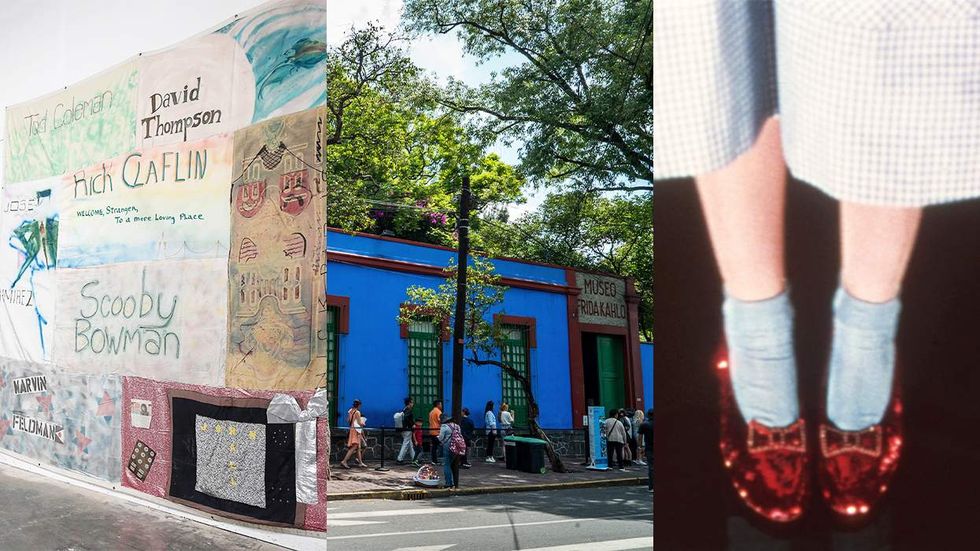
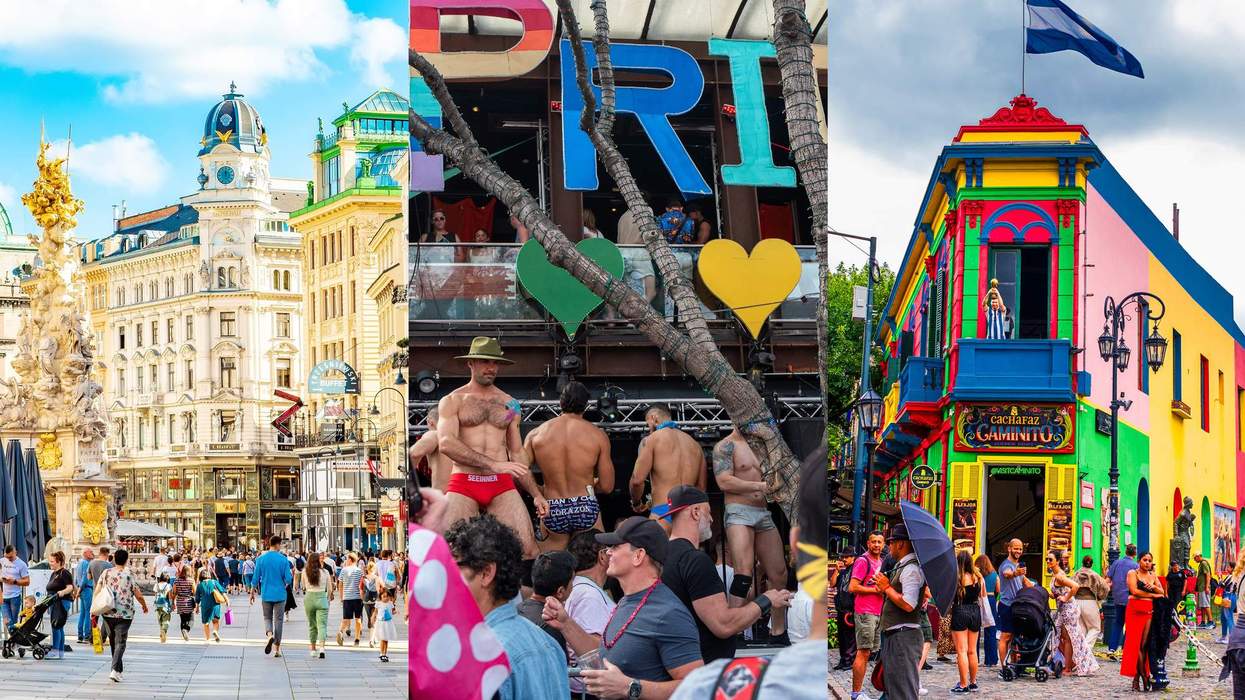
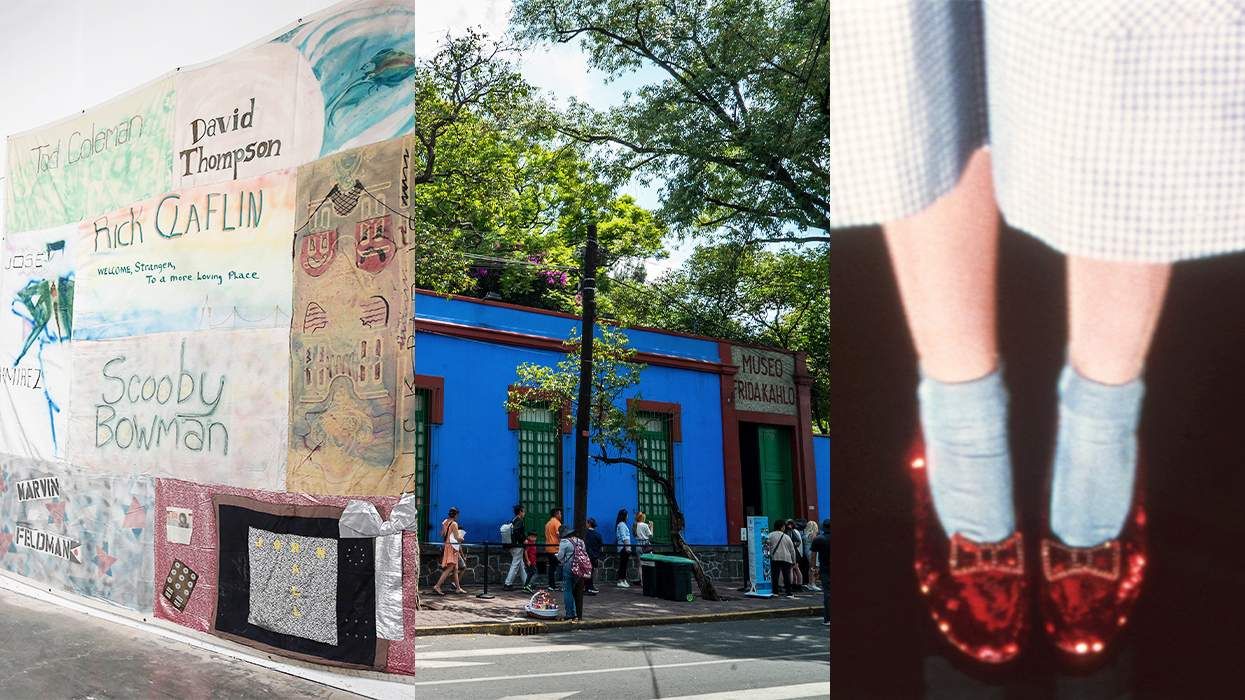
AIDS Memorial Quilt and Grove; Museo Frida Kahlo; Dorothy's ruby slippers
Lea Suzuki/The San Francisco Chronicle via Getty Images; Jair Cabrera Torres/picture alliance via Getty Images; Screen Archives/Getty Images
If you want to take in some LGBTQ+ history and culture, we’ve assembled a list of things to put on your bucket list. From Sappho to Stonewall, Harvey Milk to Judy Garland, here are the queer things we recommend you see in your time on this planet.
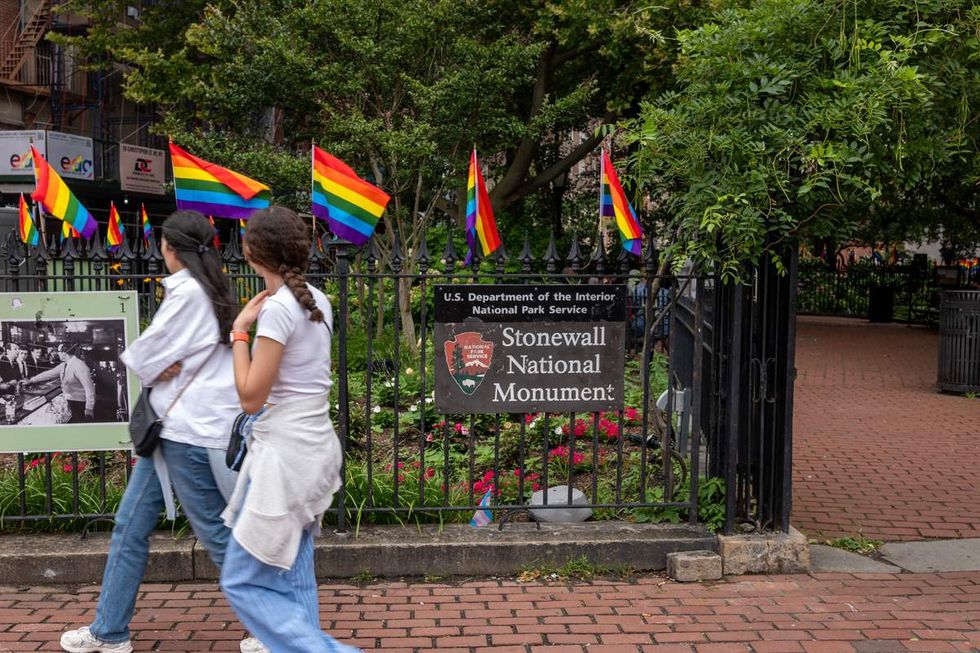
Stonewall National Monument and Stonewall Inn, New York City
Stonewall National Monument and Stonewall Inn, New York City
Spencer Platt/Getty Images
Where it all began — sort of. There were LGBTQ+ rights organizations (often then called “homosexual” or “homophile” groups) and protests, including the one that gave rise to The Advocate, before the 1969 riots against police harassment at New York City's Stonewall Inn, but Stonewall really lit the fire under the movement. In 2016, President Barack Obama made Stonewall the first national LGBTQ+ monument. Donald Trump’s administration shamefully erased references to queer and transgender people from the monument’s website this year (bisexual references were erased for a time, then restored), but you can still show your solidarity at the monument and enjoy a drink at the historic bar.
Related: What you need to know about the Stonewall uprising, which began 55 years ago
Related: Trump erased trans & queer history from Stonewall. Lawmakers are fighting to get it back
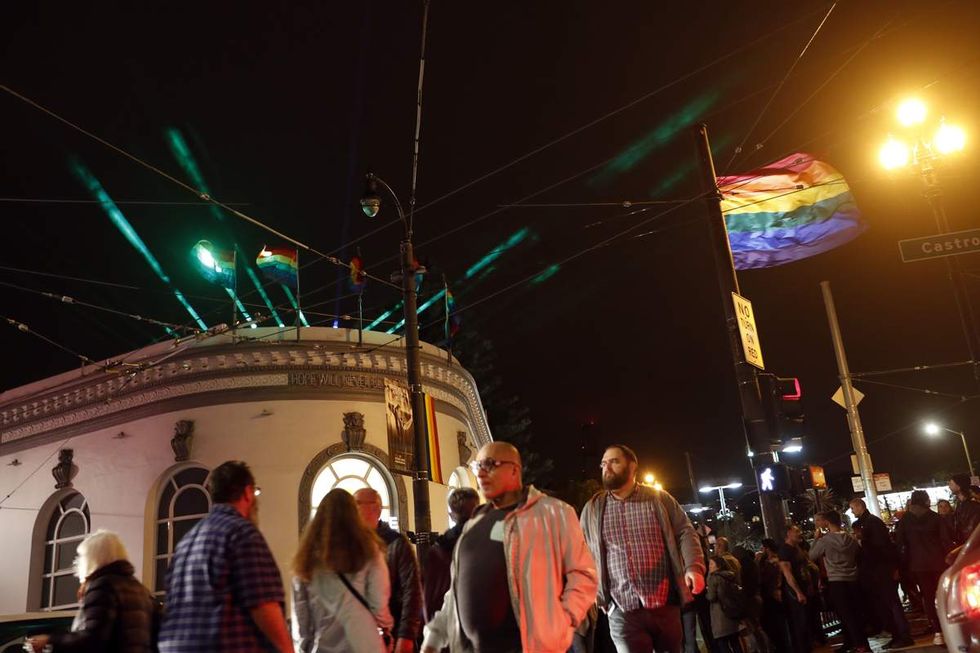
Harvey Milk Plaza and the Castro, San Francisco
Harvey Milk Plaza and the Castro, San Francisco
Scott Strazzante/The San Francisco Chronicle via Getty Images
The Castro district of San Francisco is one of the most famous gayborhoods in the world. LGBTQ+ people, particularly white gay men, made the neighborhood their own in the 1960s and ‘70s. Castro Street, named not for Fidel but for long-ago rancher Jose Castro, is the main business thoroughfare. While LGBTQ+ folks have settled throughout San Francisco, the Castro remains a special place with plenty to see and do. Harvey Milk, the first out gay person elected to public office in California, was dubbed “the mayor of Castro Street.” The neighborhood’s mass transit station is named for him, and it’s getting a makeover to make it worthy of his name and to honor all the area’s other activists. There’s also a display dedicated to Milk at San Francisco International Airport.
Related: Who was Harvey Milk?
Related: Harvey Milk Day is a day for both activism and celebration, says nephew Stuart Milk
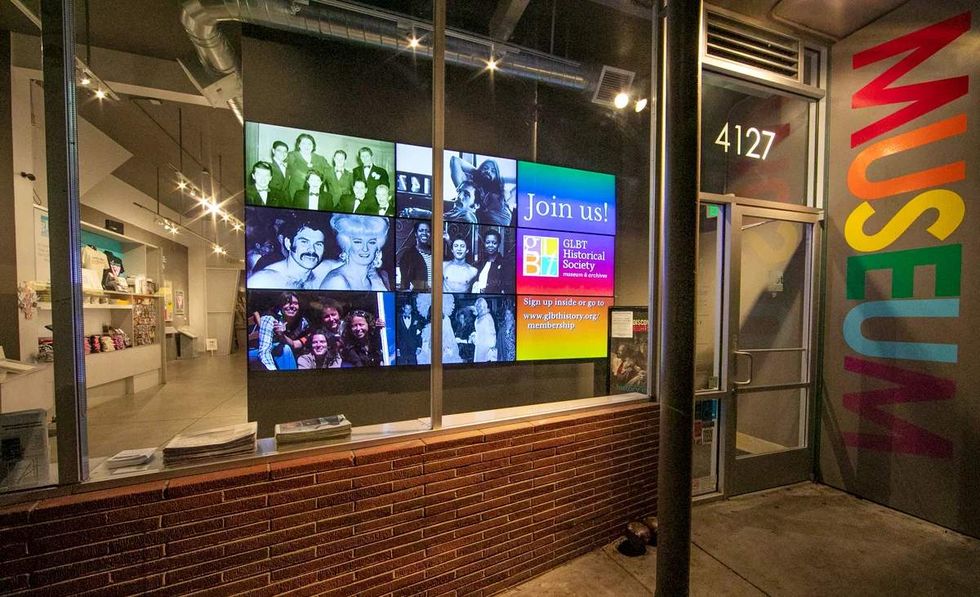
GLBT Historical Society, San Francisco
GLBT Historical Society, San Francisco
glbthistory.org
A must-see in the Castro is the GLBT Historical Society Museum, full of permanent and rotating exhibits highlighting the diversity of LGBTQ+ people throughout history. Permanent exhibitions include “Queer Past Becomes Present,” in the museum’s main gallery, and a fragment of the first Pride flag, created in 1978. Temporary exhibitions have focused on transgender women of color, Asian-Pacific Islanders, Curve magazine, Irish LGBTQ+ people, and more. The historical society also maintains the Dr. John P. De Cecco Archives and Special Collections in San Francisco's mid-Market District; these collections can be viewed by appointment. Both the museum and archives have online resources as well.
AIDS Memorial Quilt and Grove
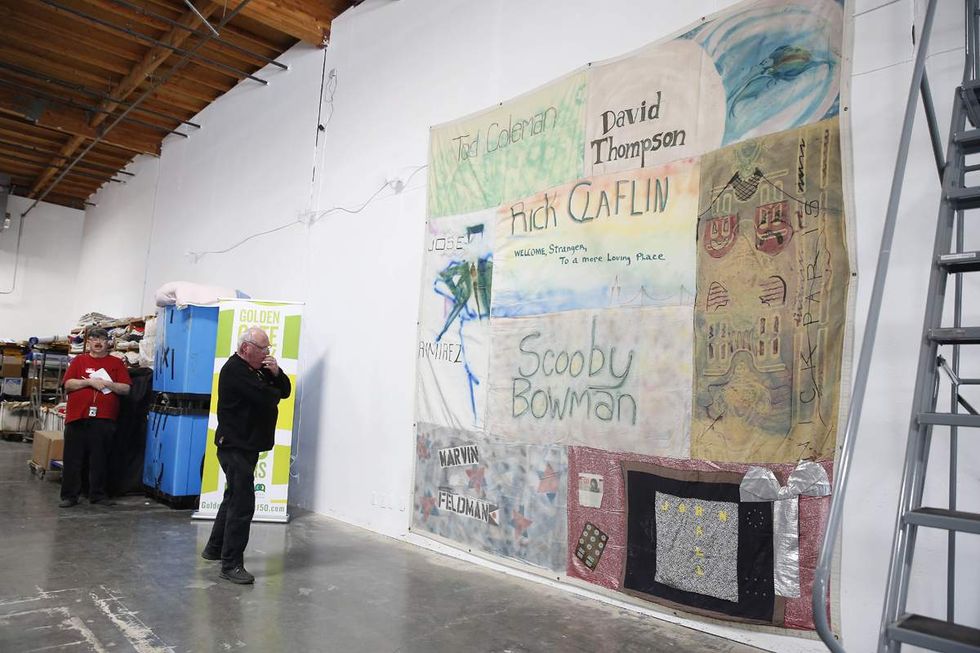
AIDS Memorial Quilt and Grove
Lea Suzuki/The San Francisco Chronicle via Getty Images
Longtime activist Cleve Jones came up with the idea of the Names Project AIDS Memorial Quilt in 1985. Now the quilt has 50,000 panels dedicated to more than 110,000 people lost to the disease. The full quilt was last displayed in 1996, but portions are displayed all over the nation, and you can request a display in your community. Those lost are also honored in the National AIDS Memorial Grove, which covers 10 acres of Golden Gate Park in San Francisco. “Thousands of people have died in San Francisco, millions in the world. The point of the National AIDS Memorial Grove is to remember them, one at a time,” Congresswoman Nancy Pelosi once said.
Related: AIDS Memorial Quilt displayed at White House for the first time
Fire Island Pines and Cherry Grove, Long Island, New York
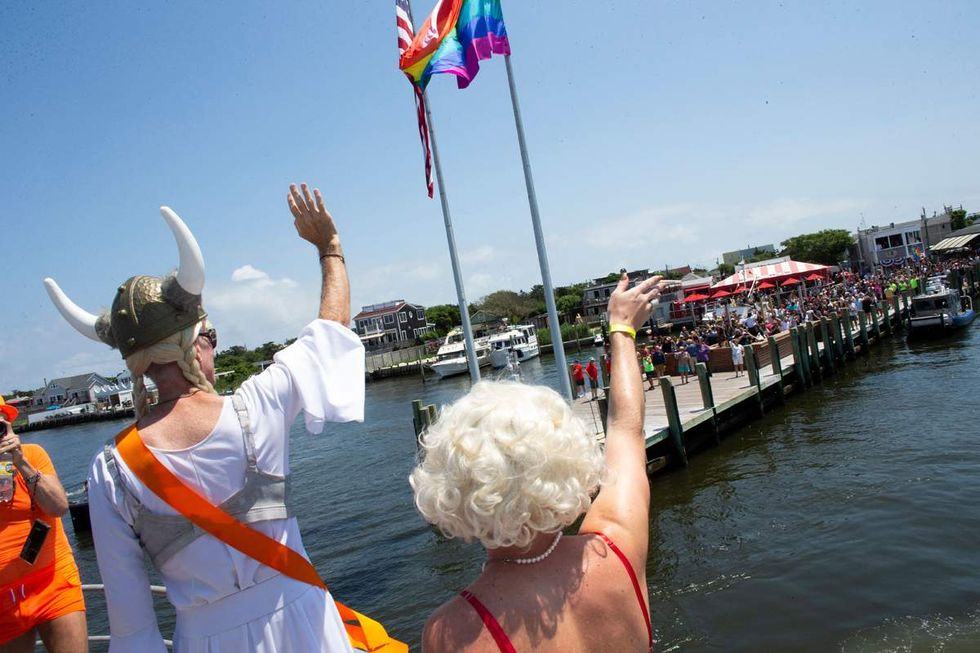
Fire Island Pines and Cherry Grove, Long Island, New York
KENA BETANCUR_AFP via Getty Images
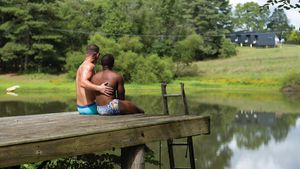
Fire Island, located on New York's Long Island, has been a vacation destination for LGBTQ+ people for decades. The Pines has typically been a gay men's haven, while lesbians have gravitated to Cherry Grove, but there are plenty of members of our community everywhere on Fire Island.
Related: This Is What It Looked Like to Party in Fire Island in 1999
Related: The 50th Invasion of the Pines: See pics of queer joy & drag
Related: 35 vintage photos of summertime gay life in 1950s Cherry Grove
Related: A LGBTQ+ Guide to Provincetown
Andy Warhol Museum, Pittsburgh
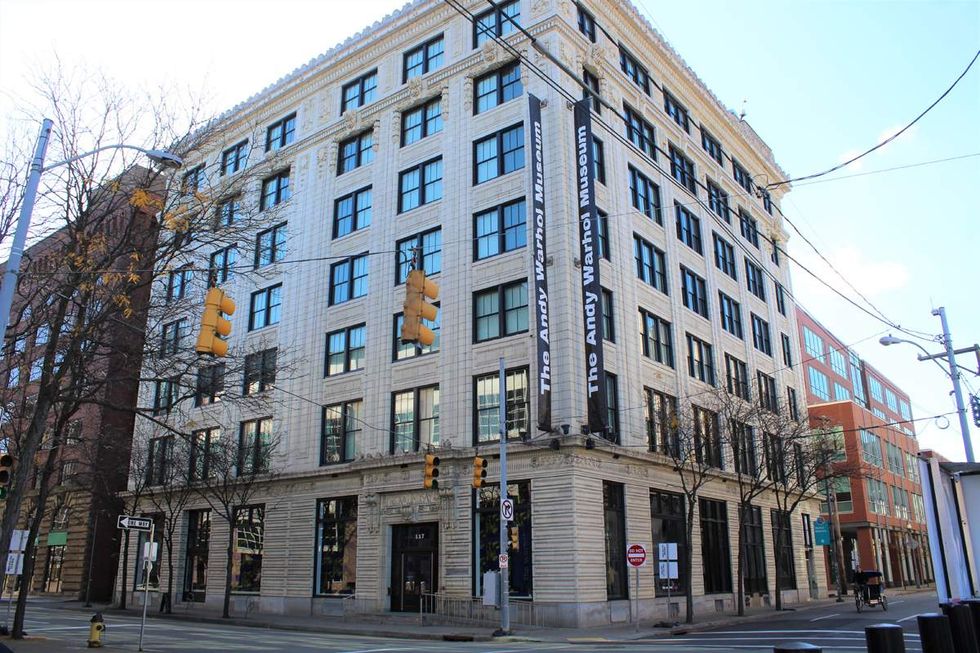
Andy Warhol Museum, Pittsburgh
Pamela Brick/Shutterstock.com
Andy Warhol became famous in New York City, but his hometown of Pittsburgh hasn't forgotten him. The city's Andy Warhol Museum has the largest collection of Warhol art and archives in the world. It includes 900 paintings; approximately 100 sculptures; nearly 2,000 works on paper; more than 1,000 published and unique prints; and 4,000 photographs. The museum's website promises you'll see something different every time you visit. So put on comfortable shoes to see Marilyn, Mao, soup cans, Coca-Cola bottles, and more. The museum also features works by Warhol's mother, Julia Warhola, and hosts concerts and other events.
Related: Andy Warhol's Unexpected Romantic Heart Revealed in New Book
Related: PHOTOS: A Serving of Andy Warhol's Pork
Related: When Andy Warhol Went to Gay Pride
D.C. LGBTQ History Tour
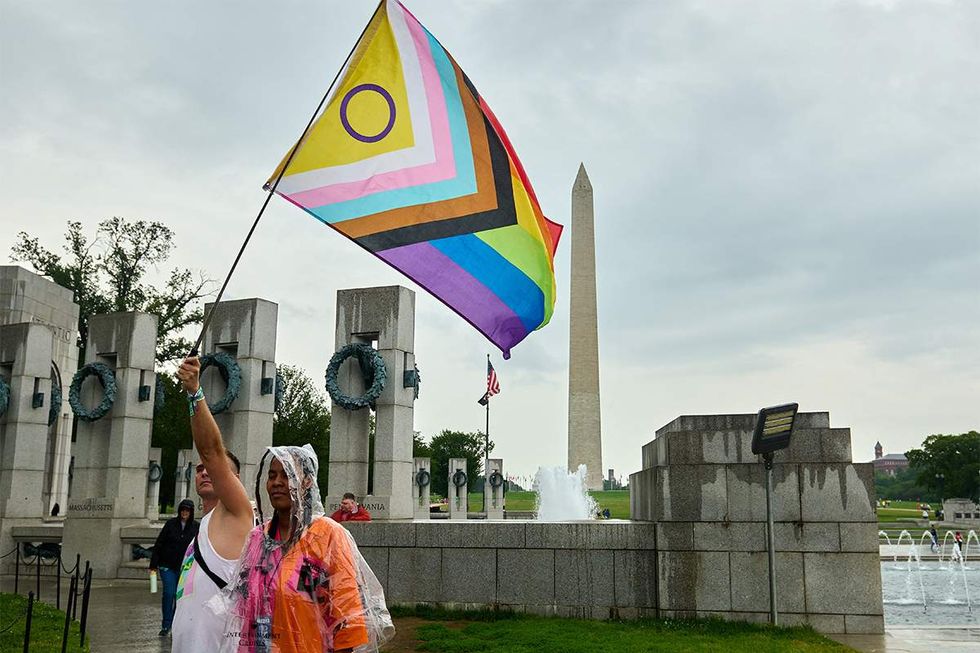
People rally and march in the 2025 WorldPride DC celebration of LGBTQ rights in Washington D.C., USA, on Sunday, June 8, 2025
DOMINIC GWINN/Middle East Images/AFP via Getty Images
Plenty of LGBTQ+ history has been made in the nation's capital. The DC Preservation League has compiled a list of important LGBTQ+ historic sites, including the homes of activists Lucy Diggs Slowe and Mary Powell Burrill, a prominent Black couple, and Frank Kameny, who sued the federal government after being fired for being gay. There are also sites of historic gay bars and other businesses, the home of the Furies Collective (a lesbian feminist group of the 1970s), and gayborhoods. Go here and plan your trip!
Related: Remembering Frank Kameny: Here's why he was a gay rights pioneer
Tennessee Williams Museum, Key West, Florida
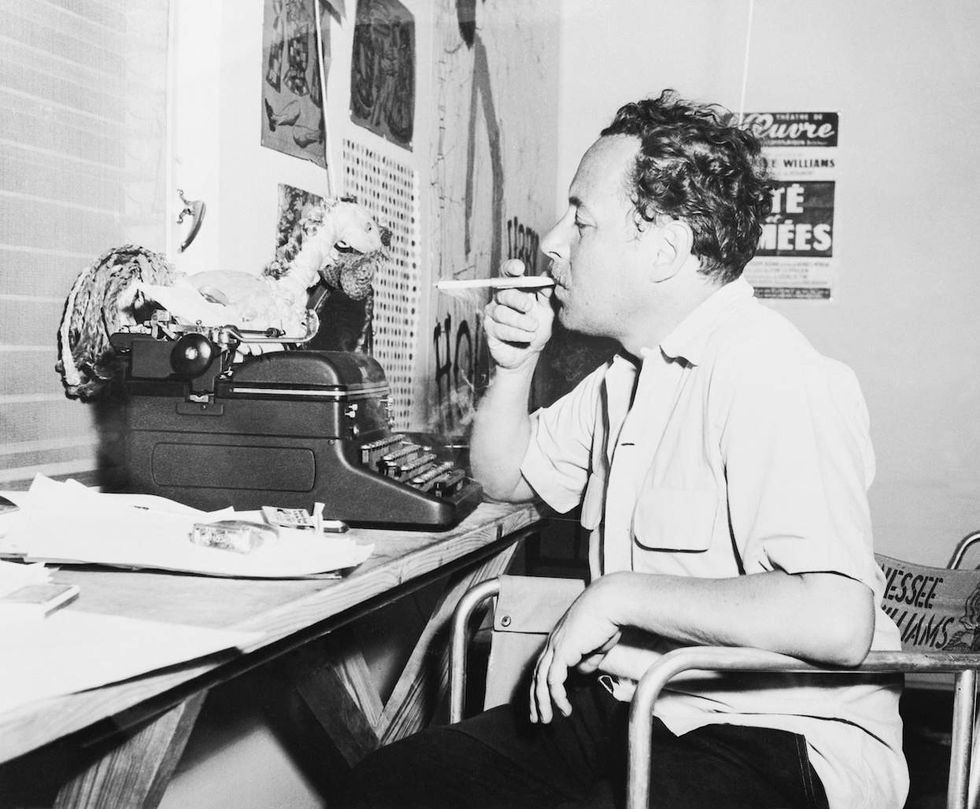
Tennessee Williams at his typewriter in his Key West home, 1957
Bettmann via Getty Images
Key West, Florida, has long been an LGBTQ+ mecca, and one of its most famous gay residents was one of 20th-century America's greatest playwrights, Tennessee Williams, author of The Glass Menagerie, Cat on a Hot Tin Roof, A Streetcar Named Desire, and more. It's believed he finished writing the latter while staying in a Key West hotel in 1947, and he bought a house there in 1950, which he occupied until his death in 1983. The Tennessee Williams Museum in Key West includes photographs, first edition plays and books, rare newspaper and magazine articles, videos, a typewriter used by Williams in Key West, a scale model of his home, and other artifacts.
Museo Frida Kahlo, Mexico City
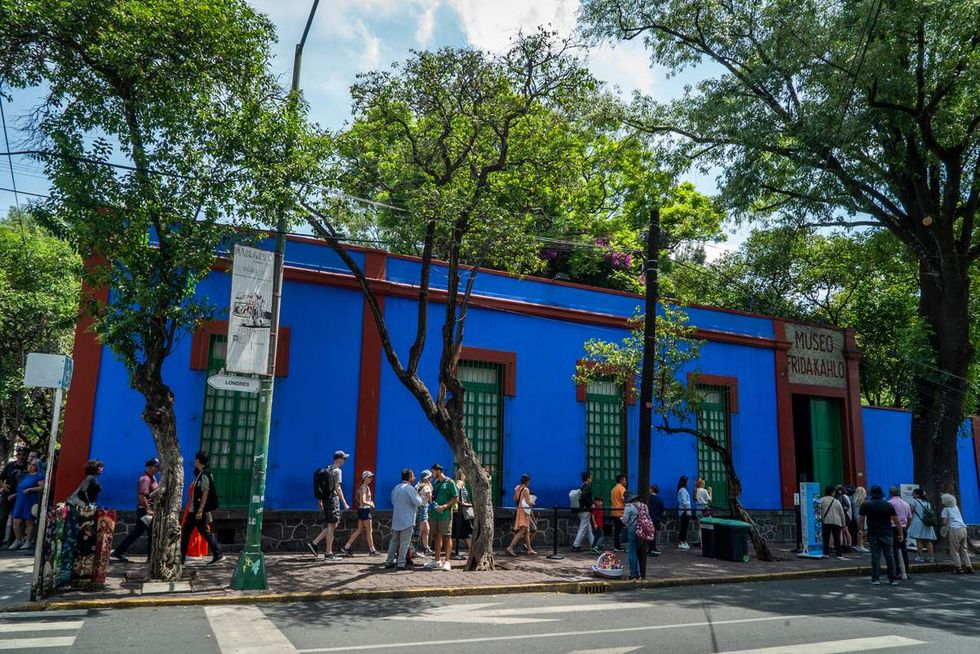
Museo Frida Kahlo, Mexico City
Jair Cabrera Torres/picture alliance via Getty Images
Bisexual artist Frida Kahlo wanted her home in Mexico City, the Casa Azul (Blue House), where she spent most of her life, to become a museum for all Mexicans and visitors to enjoy. After her death in 1954, friends and others carried out her wish, and since 1958, Museo Frida Kahlo has welcomed all. It includes paintings by Kahlo and her husband, Diego Rivera; some of their belongings; folk art; pre-Columbian sculpture; and much more.
Related: Frida: Stroke of Passion Explores the Mysterious End of Kahlo's Life
Museum of Transology, London
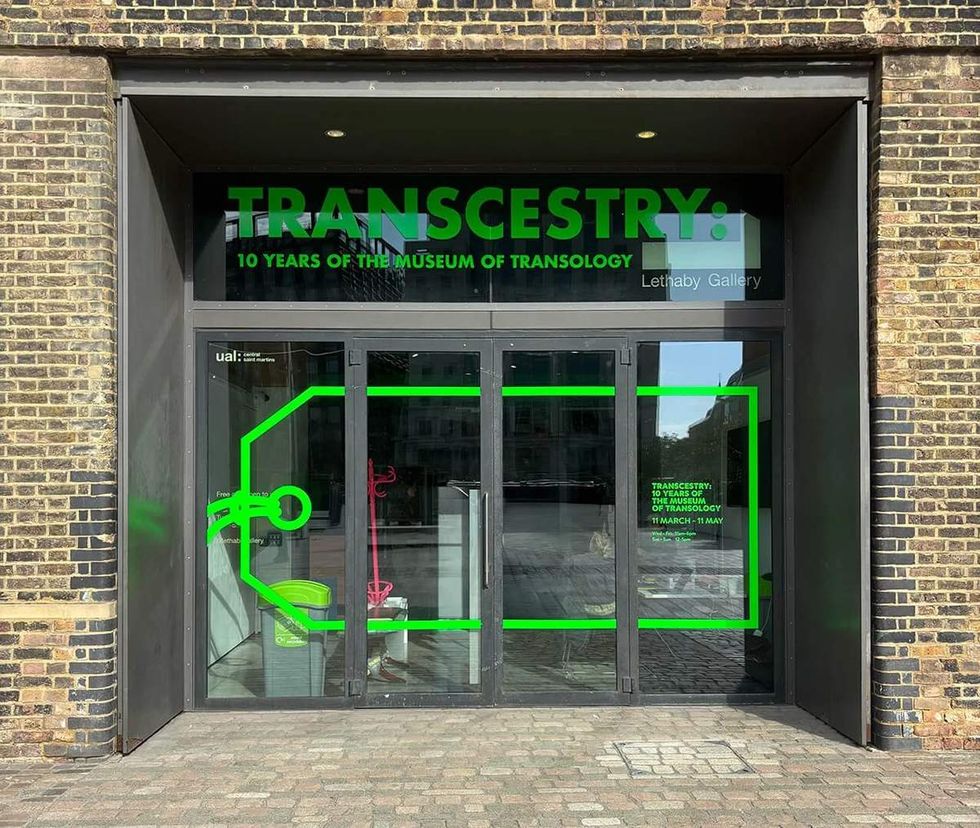
Museum of Transology, London
museumoftransology.com
The Museum of Transology in London has more than 1,000 artifacts relating to transgender, nonbinary, and intersex people's lives. The collection is housed at the Bishopsgate Institute's Special Collections and Archives, where you can request to see, study, and photograph any artifact for free, and parts of the collection are exhibited throughout the U.K. To find out about current exhibitions, visit the museum's Instagram page.
The photographs of Robert Mapplethorpe
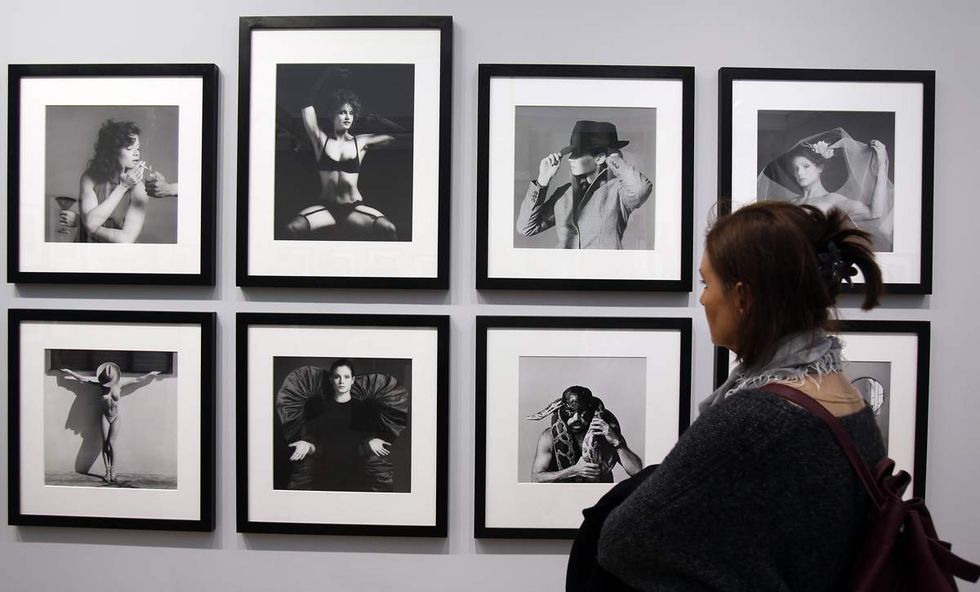
The photographs of Robert Mapplethorpe
Chesnot/Getty Images
Robert Mapplethorpe created beautiful, provocative, and controversial photos over the course of his career. He set up the Robert Mapplethorpe Foundation in 1988, the year before his death, to promote photography as an art form and support medical research on HIV. In 1993, the foundation donated more than 200 of his photos to the Guggenheim Museum in New York City. His work can be viewed at many other museums as well, including NYC's Museum of Modern Art, the Tate Modern in London, and the Kinsey Institute at Indiana University.
Michelangelo’s David, Florence, Italy
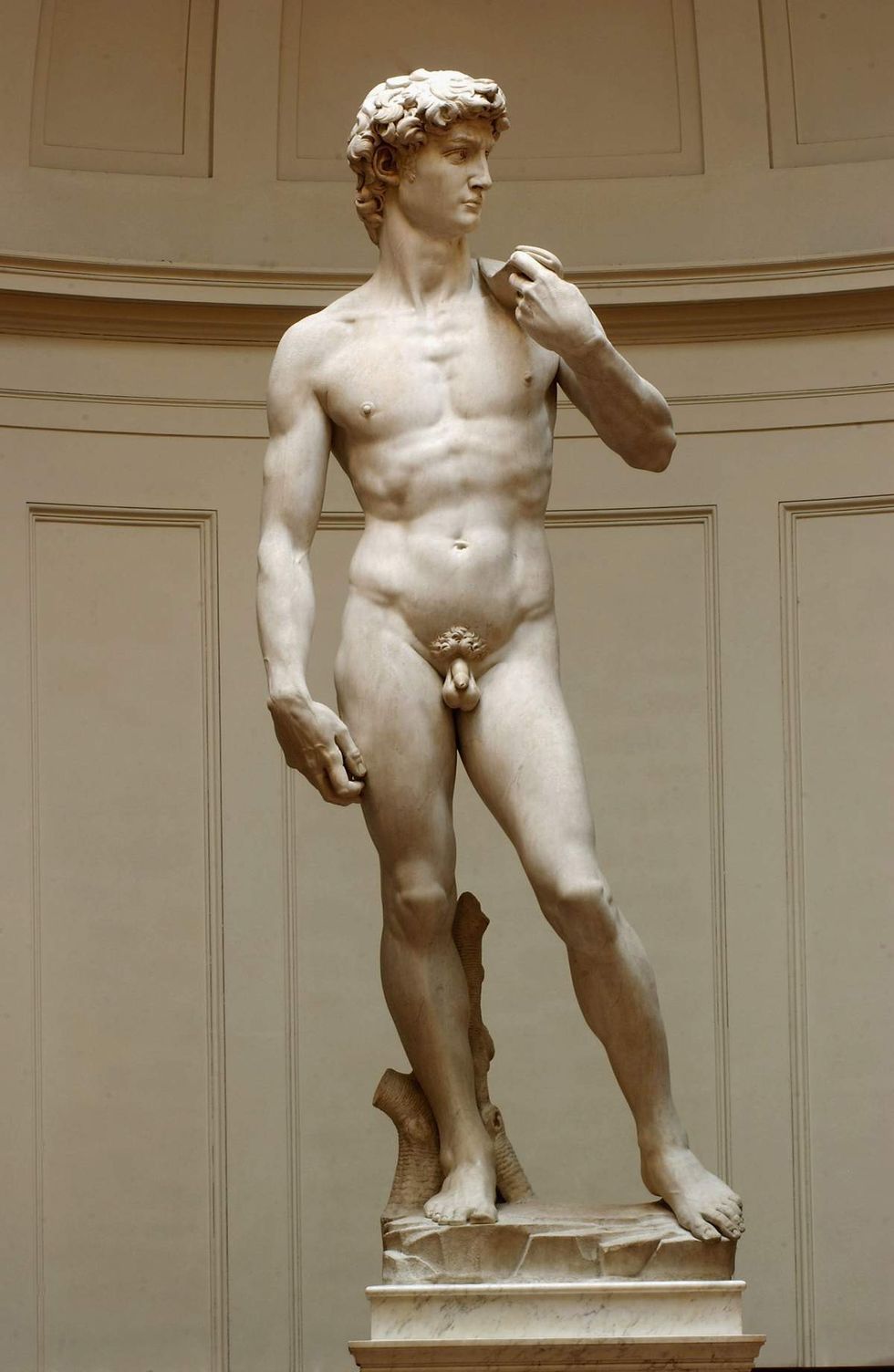
Michelangelo’s David, Florence, Italy
Franco Origlia/Getty Images
Yes, we will claim Michelangelo's David as a gay artifact. How many David magnets have you seen on the refrigerators of gay men? Plus Michelangelo was gay, and many scholars believe David and his friend Jonathan were, well, more than friends. The monumental sculpture can be viewed at the Galleria dell’Accademia in Florence, Italy. If you are traveling around the country, you can also see much of Michelangelo's work at the Vatican's Sistine Chapel.
National Civil Rights Museum, Memphis, Tennessee
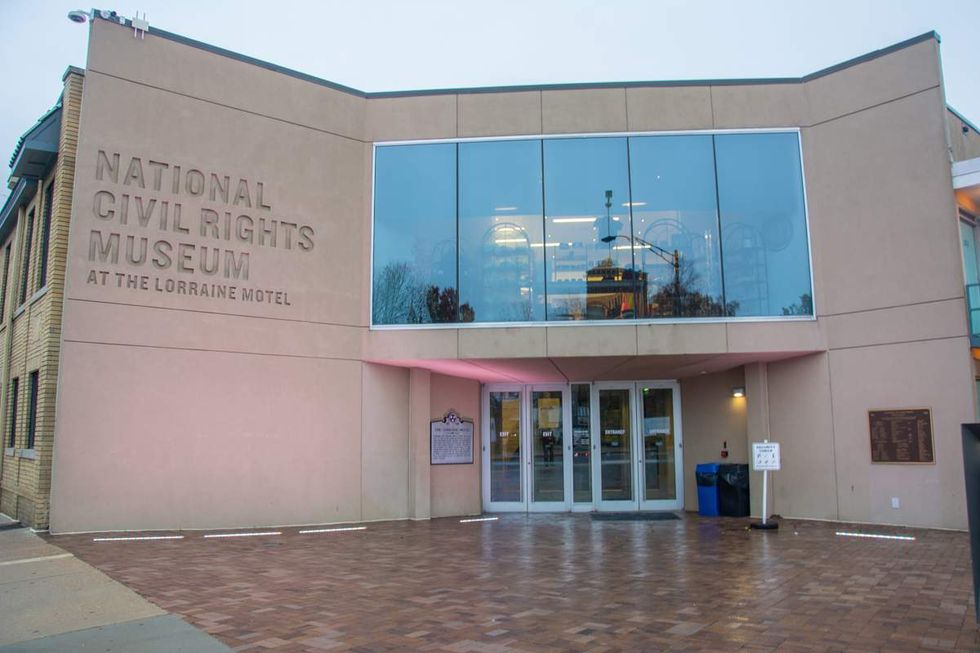
National Civil Rights Museum, Memphis, Tennessee
Nina Alizada/Shutterstock.com
The National Civil Rights Museum was established in 1991 at the Lorraine Motel in Memphis, Tennessee. Martin Luther King Jr. was assassinated on the balcony of his room at the Lorraine in 1968, but the motel's significance to African Americans goes beyond that tragedy. It catered to Black travelers during the era of segregation, and it hosted celebrities including Louis Armstrong, Cab Calloway, Nat King Cole, Sarah Vaughan, Sam Cooke, Aretha Franklin, Otis Redding, Satchel Paige, Josh Gibson, and Jackie Robinson. The museum has artifacts, films, oral histories, and more, along with a variety of events and exhibitions. An exhibition running through the end of the year honors one of King's chief aides, Bayard Rustin, a gay man. "Speaking Truth to Power: The Life of Bayard Rustin" includes letters, artworks, and other memorabilia. It "marks the first phase of preserving Rustin’s legacy at the museum," according to the institution's website.
Related: The Gay Union Organizer Who Helped MLK Change the World
Sappho Square, Mytilini, Greece
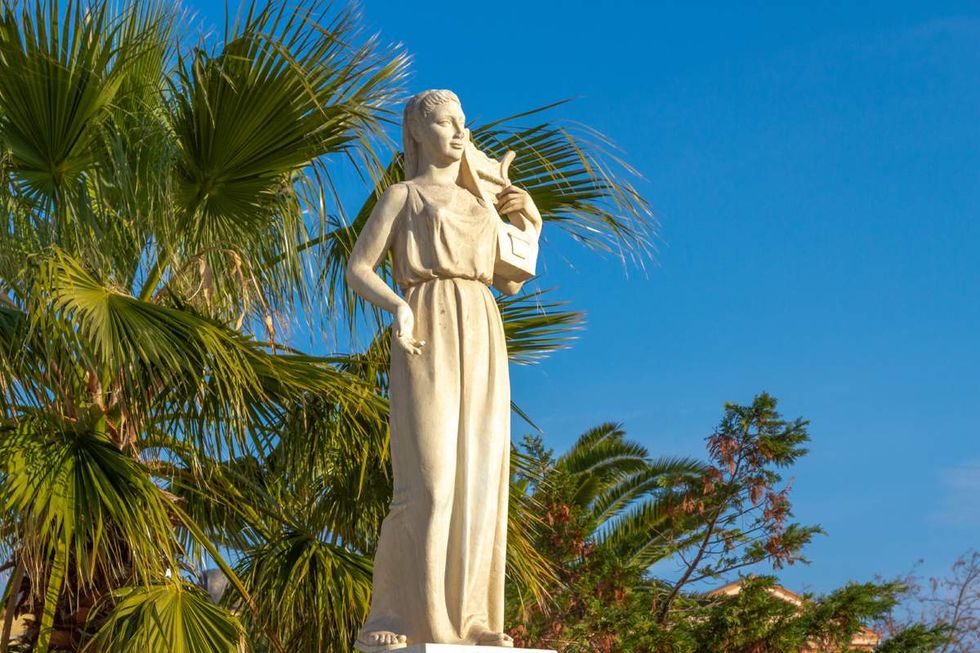
Sappho Square, Mytilini, Greece
Shutterstock
We wouldn't have the terms "sapphic" and "lesbian" without the poet Sappho and her home on the Greek island of Lesbos. Sappho is significant not only for her love of women but for creating love poetry as we know it. She spent most of her life in Mytilini, the capital city of Lesbos. Her statue graces Sappho Square, a hub for nightlife and political protests. If you can't get to Greece, there is Sappho art in the U.S. as well. A sculpture of the poet by 19th-century American artist Vinnie Ream is held by the Smithsonian Institution, and a replica of it is on Ream's grave in Arlington National Cemetery. It's Ream's only statue of a woman. She also created the statue of Abraham Lincoln in the U.S. Capitol Rotunda. At 18, she was "the youngest ever artist and the first woman to be officially commissioned by the U.S. government," according to Artnet. Some scholars say Ream was probably not aware of Sappho's importance to same-sex love, which existed but dared not speak its name in Ream's time, but the sculptor wished to honor her as a strong, independent woman.
Cole Porter's piano, Waldorf Astoria Hotel, New York City
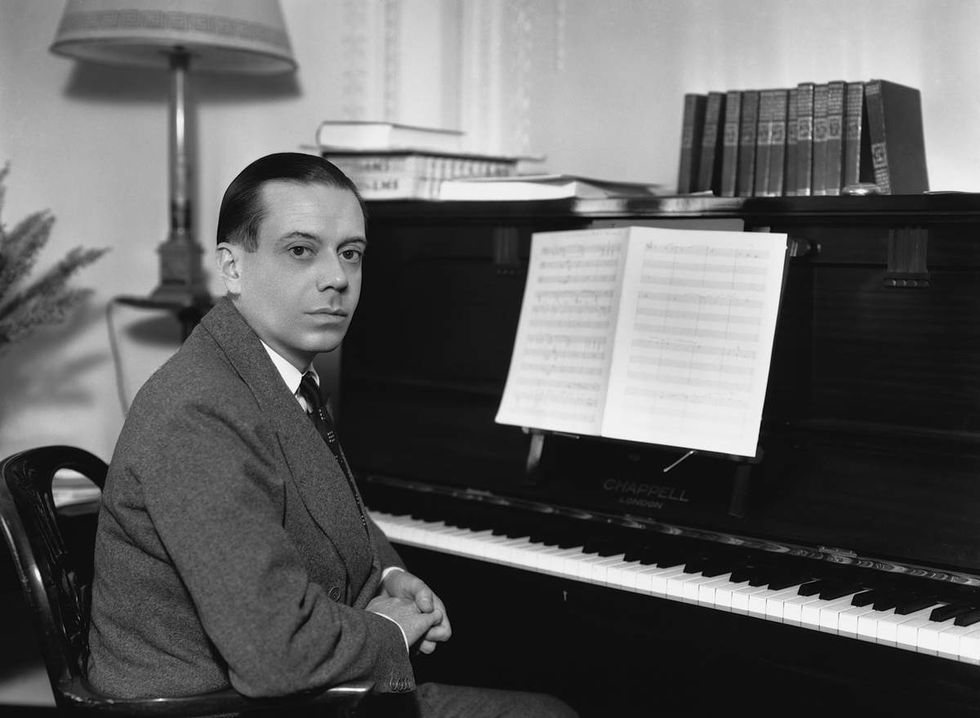
Cole Porter's piano, Waldorf Astoria Hotel, New York City
© Hulton-Deutsch Collection/CORBIS/Corbis via Getty Images
Cole Porter was one of the most brilliant Broadway composer-lyricists of the 20th century, well known for his witty way with words: "Old sloths who hang down from twigs do it / Though the effort is great /Sweet guinea-pigs do it /Buy a couple and wait." That's from "Let's Do It (Let's Fall In Love)." The piano on which he made the melodies to go with those lyrics is on display at the Waldorf Astoria New York; Porter lived in a suite at the hotel for 30 years.
Noël Coward Archive Trust, London
Noël Coward Archive Trust, London
Trust-4kclips/Shutterstock.com
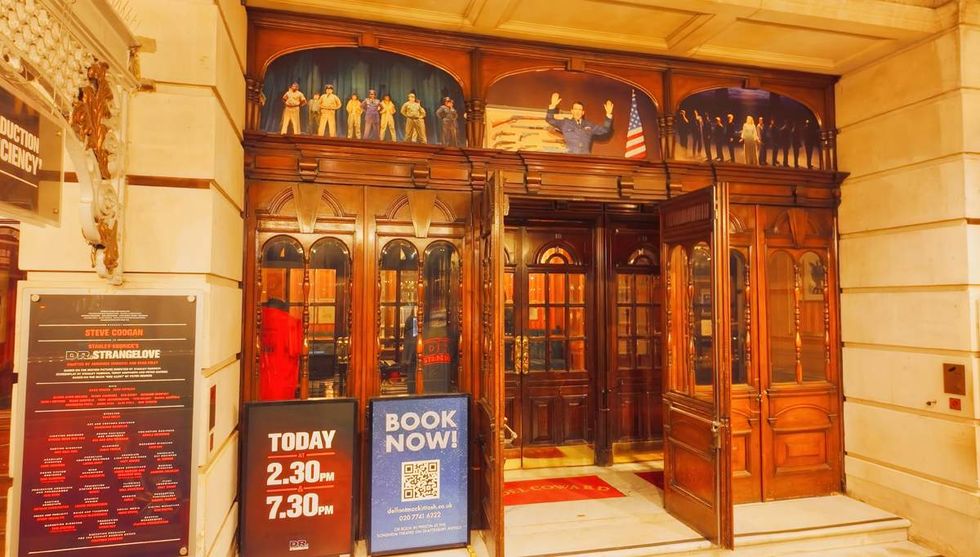
Another great gay composer-lyricist — as well as a playwright and performer — of the 20th century was England's Noël Coward. The Noël Coward Archive Trust maintains the Noël Coward Room in London, housing photographs, letters, home movie footage, and other artifacts of his career. "The Coward Room is a rich repository of theatre history, and also an informative and illuminating place to explore the range of Coward's artistry and influence outside the theatre, including his work as a songwriter, painter, cabaret artist and social campaigner," according to its website. Visits are by appointment.
Gerber/Hart LGBTQ+ Library and Archives, Chicago
Gerber/Hart LGBTQ+ Library and Archives, Chicago
gerberhart.org
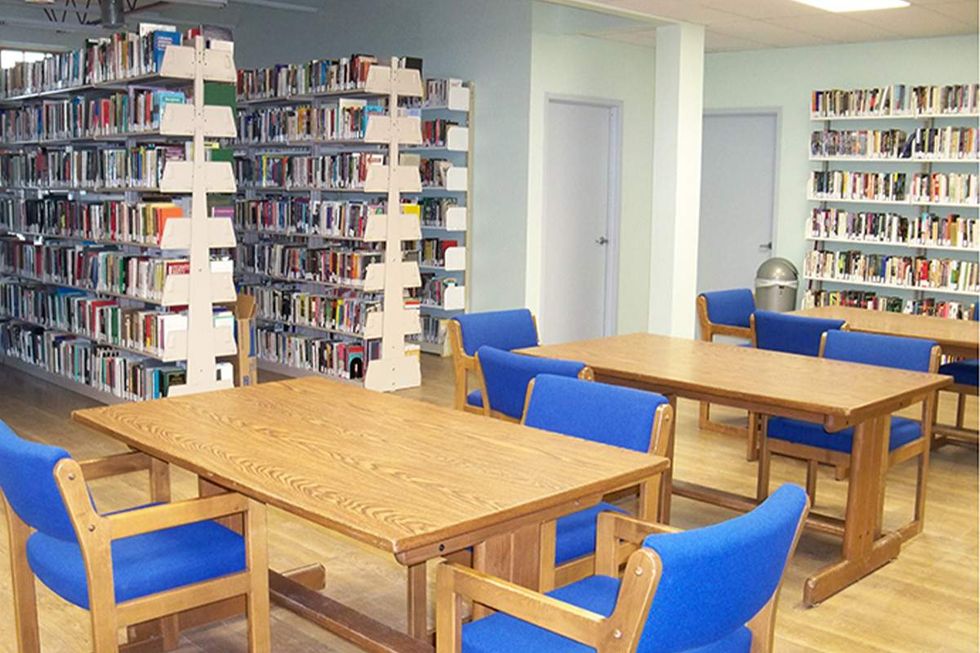
The Gerber/Hart LGBTQ+ Library and Archives in Chicago has a huge collection of historic books, audiovisual materials, and other LGBTQ+ artifacts, with an emphasis on Chicago and the Midwest. It's named for early gay activist Henry Gerber, who founded the Society for Human Rights, the first gay rights group in the U.S., in the 1920s, and pioneering lawyer Pearl Hart. Books and some other materials can be checked out, others viewed at the site. Gerber/Hart also hosts numerous events.
Related: All about the nation's first gay rights group, the Society for Human Rights, founded 100 years ago
Lesbian Herstory Archives, Brooklyn, New York
Lesbian Herstory Archives, Brooklyn, New York
Barbara Alper/Getty Images
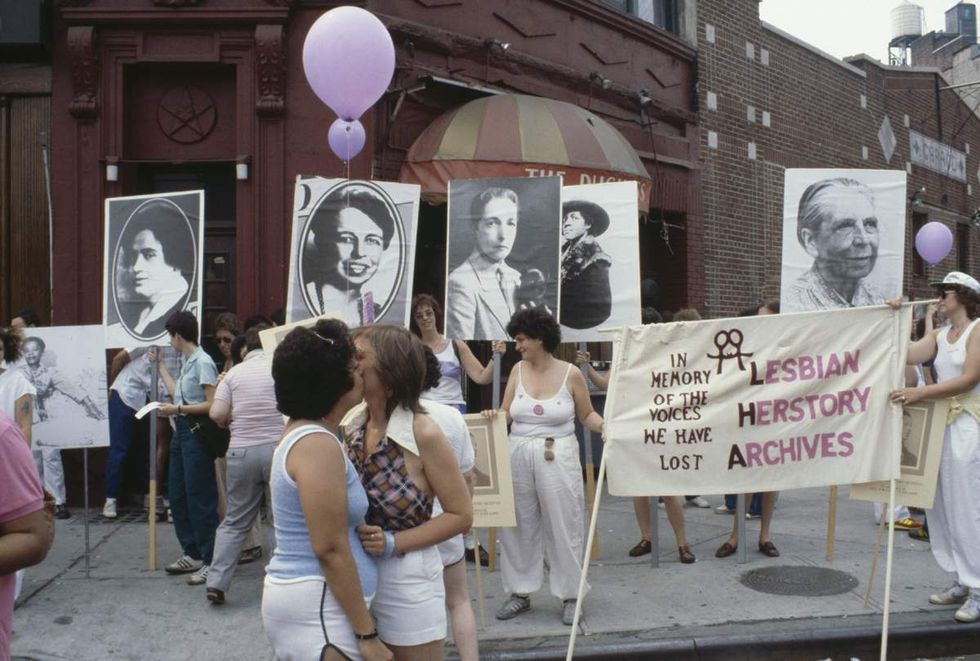
The Lesbian Herstory Archives in Brooklyn, New York, has a massive collection of books, magazines, videos, posters, photographs, newspapers, ephemera, and more, open to researchers by appointment. It also has book sales and story hours, and has traveling exhibitions that can be requested for off-site use.
Mattachine Steps and other sites, Los Angeles
Mattachine Steps and other sites, Los Angeles
Ricardo DeAratanha/GettyImages
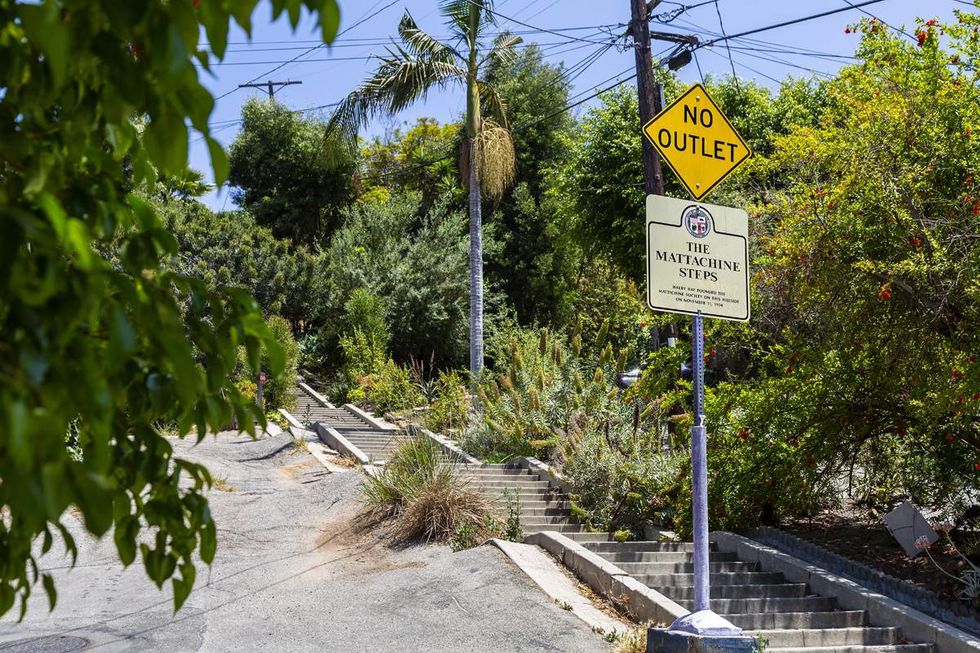
Los Angeles and its environs have a rich LGBTQ+ history. The Black Cat Tavern in L.A.'s Silver Lake neighborhood was a gay bar raided by police on New Year's Eve as 1966 gave way to 1967. Outrage led to protests and the founding of an organization called Personal Rights in Defense and Education, or PRIDE; its name lives on in one of our sister sites. The PRIDE newsletter evolved into The Advocate. The Black Cat is now recognized as a historic site by the city of L.A. and the state of California, and it's open as a restaurant and bar. Also in Silver Lake are the Mattachine Steps, leading to the home of activist Harry Hay, who founded the gay rights group called the Mattachine Society in 1950. The home is apparently still in private hands, but the steps offer a good workout! The ONE Institute, named for an early gay magazine, maintains the ONE Archives of LGBTQ+ historical materials at the University of Southern California and an exhibition space, ONE Gallery, in West Hollywood. At the gallery, "Herb Ritts: Allies & Icons" showcases the photographer's work through December 21. The gallery also hosts Circa: Queer Histories Festival every October for LGBTQ+ History Month. Curbed Los Angeles magazine has a helpful article on L.A. LGBTQ+ sites. Also, take a look at these articles from The Advocate.
Related: Before Stonewall, There Was The Black Cat Protest
Related: L.A. Pride Honored Stonewall, But Don’t Forget, Black Cat Was First
Related: After the 2024 election, we can be inspired by these historical LGBTQ+ movements against oppression
Walt Whitman Birthplace, Huntington Station, New York, and Walt Whitman House, Camden, New Jersey
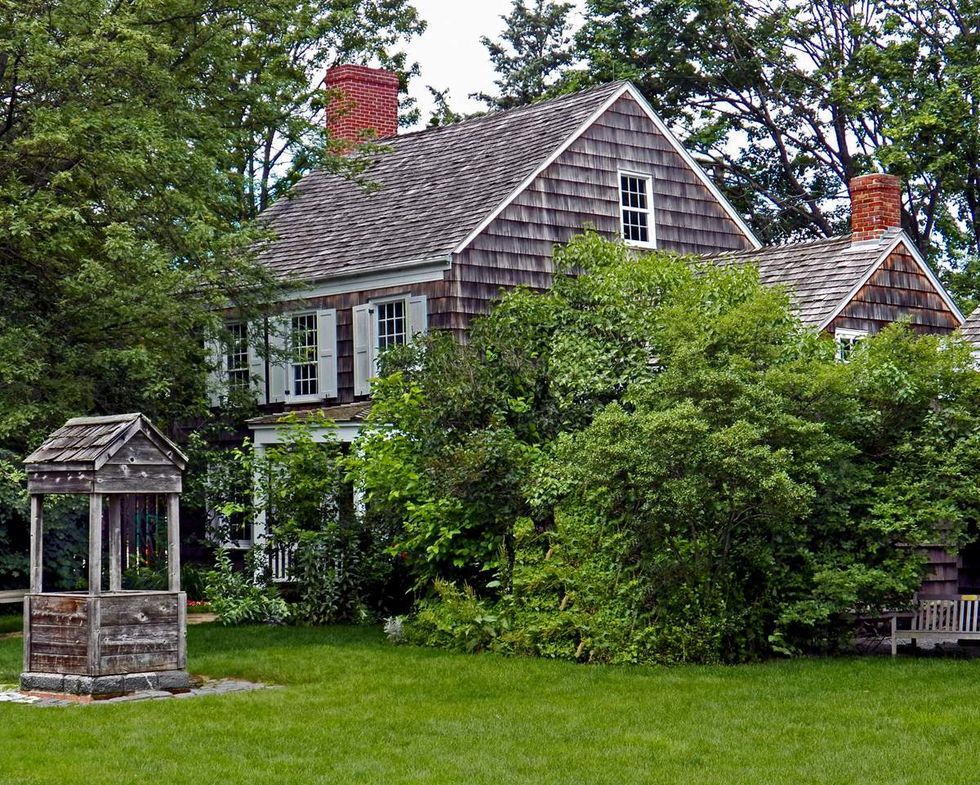
Walt Whitman Birthplace, Huntington Station, New York, and Walt Whitman House, Camden, New Jersey
Paul Pecora/Shutterstock.com
On the East Coast, you can learn much about the great gay bard Walt Whitman. These sites take you from his birth to his death. The Walt Whitman Birthplace and Museum in Huntington Station, New York (on Long Island), includes the house where Whitman was born in 1819. The family lived there until 1823, when they moved to Brooklyn. The nearby Interpretive Center holds many portraits of Whitman, original letters and manuscripts, his writing desk, and even a recording of his voice, made by Thomas Edison in 1890. In Camden, New Jersey, the Walt Whitman House is the home he bought in 1884, the only house he ever owned. He lived there until his death in 1892.
Related: Why Walt Whitman, 'America's Poet,' Was a Queer Pioneer
Stonewall National Museum, Archives, and Library, Fort Lauderdale, Florida
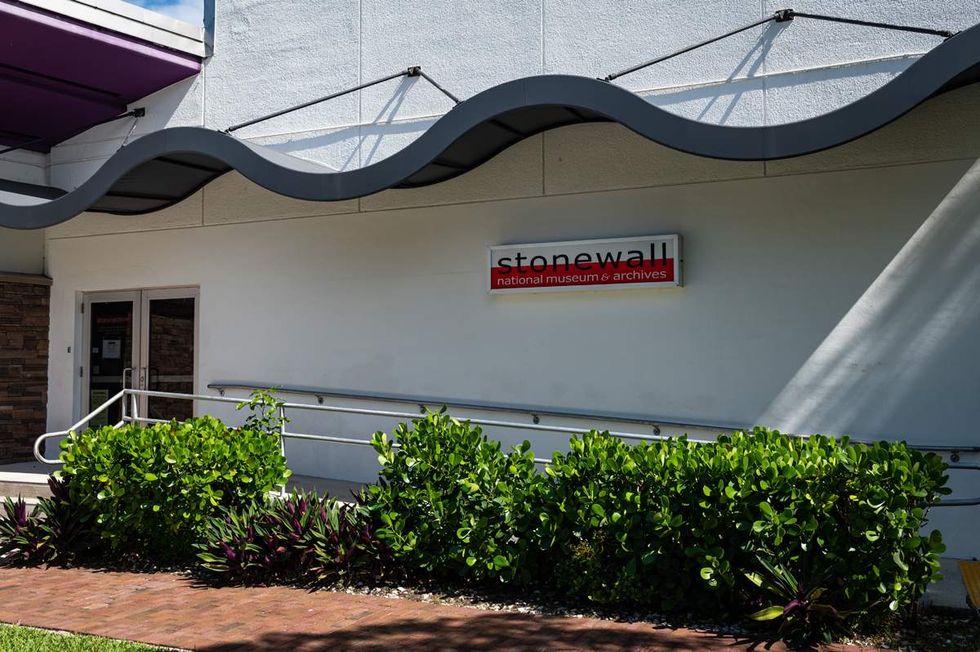
Stonewall National Museum, Archives, and Library, Fort Lauderdale, Florida
Chris Allan/Shutterstock.com
The Stonewall National Museum, Archives, and Library, in Fort Lauderdale, Florida, has one of the largest collections of LGBTQ+ artifacts anywhere; its library's holdings are the biggest in the world, according to the institution's website. It has permanent and rotating exhibitions, movie nights, and other programs. An exhibit that just opened is "Bayard Rustin at the Crossroads," co-presented with the Bayard Rustin Center for Social Justice. It runs through February 10. Another one on view through February showcases the Imperial Sun Court of All Florida, an LGBTQ+ charitable organization.
Related: Artist Ben Fink pays homage to Florida LGBTQ+ nonprofit in new exhibit at the Stonewall Museum
Dorothy's ruby slippers
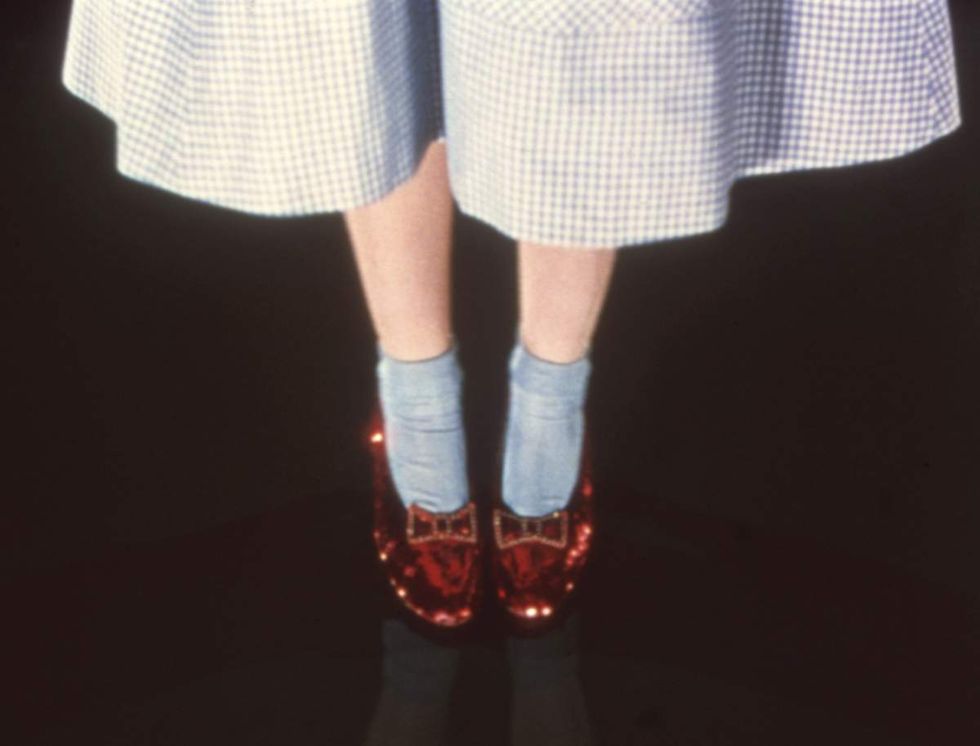
Dorothy's ruby slippers
Screen Archives/Getty Images
If you're a friend of Dorothy, what could be more iconic than Dorothy's ruby slippers? Multiple pairs were made for Judy Garland to wear in The Wizard of Oz, a common practice with important costumes and props. Only a few pairs are known to survive. One is at the Smithsonian Institution's National Museum of American History in Washington, D.C. Another is at the Academy Museum of Motion Pictures in Los Angeles, but is not always displayed. Some others are in private collections, and a replica pair, made for a Disney theme park attraction, is at the Wizard of Oz Museum in Cape Canaveral, Florida (the museum is moving to nearby Cocoa Beach next May).