




























The U.S. Supreme Court on Wednesday declined to let South Carolina enforce a law requiring public schools to bar transgender students from using restrooms aligned with their gender identity, leaving in place a lower court’s injunction that protects a 15-year-old boy in Berkeley County.
In a terse, unsigned order, the justices, by an apparent 6-3 vote, rejected the state’s request for emergency relief, stressing that the denial was “not a ruling on the merits” of the case but instead reflected the court’s standards for extraordinary intervention. Justices Clarence Thomas, Samuel Alito, and Neil Gorsuch dissented and said they would have granted the state’s request.
The challenged provision, enacted in 2024 as a budget rider, punishes school districts that allow transgender students access to restrooms consistent with their identity by stripping away a quarter of their state funding. The student at the center of the case was suspended for using the boys’ restroom, prompting his family, backed by the advocacy group Alliance for Full Acceptance, to sue.
Related: South Carolina rushes emergency petition to U.S. Supreme Court over trans student’s bathroom use
A panel of the U.S. Court of Appeals for the Fourth Circuit in Richmond, Virginia, blocked the law last month, relying on its earlier ruling in Grimm v. Gloucester County School Board, which found that bathroom bans targeting transgender students violate both Title IX and the Equal Protection Clause. South Carolina has urged the justices to treat Grimm as an outlier in light of recent decisions, including United States v. Skrmetti, which in June upheld Tennessee’s ban on gender-affirming care for minors under a lenient “rational basis” standard.
By denying emergency relief, the justices have allowed the boy to continue using the boys’ restroom while the case proceeds. The justices have sidestepped similar bathroom controversies before, but multiple cases on trans rights are already on the docket, including challenges to sports bans in West Virginia and a test of Colorado’s ban on dangerous so-called “conversion therapy.”







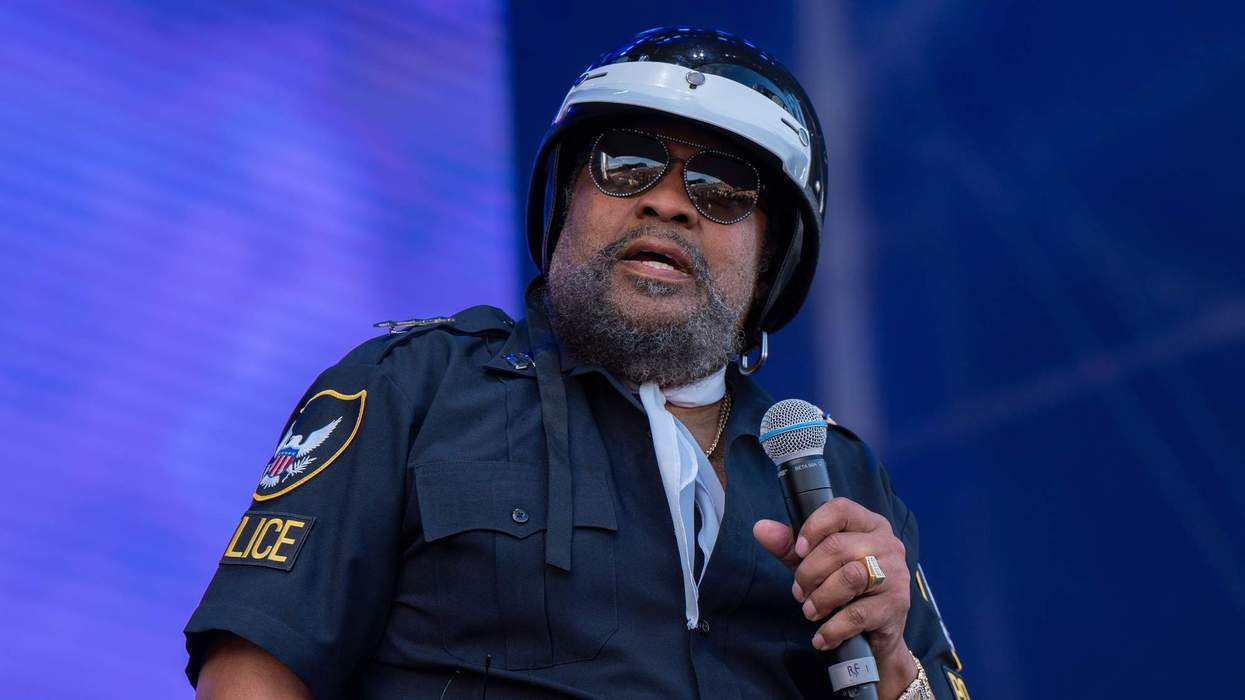
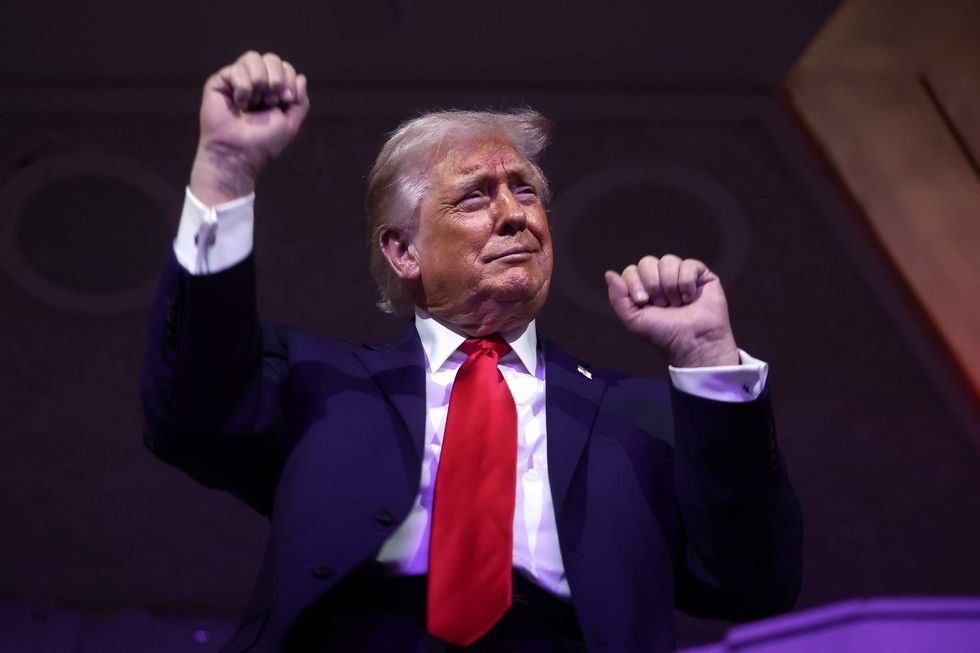 U.S. President Donald Trump dances to the final performance of the Village People during the FIFA World Cup 2026 Official Draw at John F. Kennedy Center for the Performing Arts on December 05, 2025 in Washington, D.C.Hector Vivas - FIFA/FIFA via Getty Images
 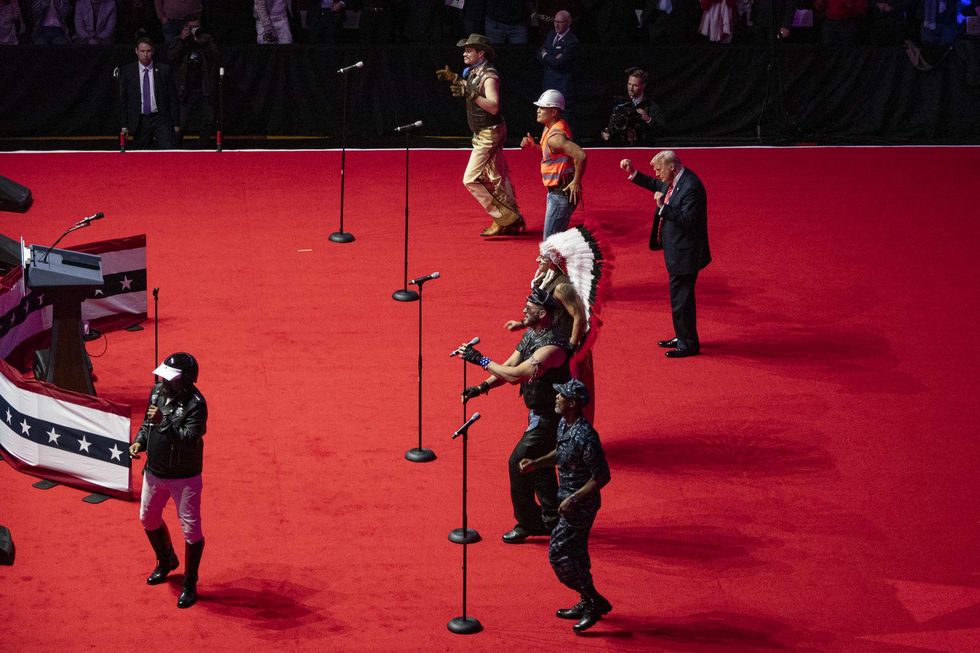 President-Elect Donald Trump dances as the Village People perform the song "YMCA" at a rally at the Capital One Arena on January 19, 2025 in Washington, DC. Trump will be sworn in as the 47th U.S. president on January 20.Kevin Carter/Getty Images
 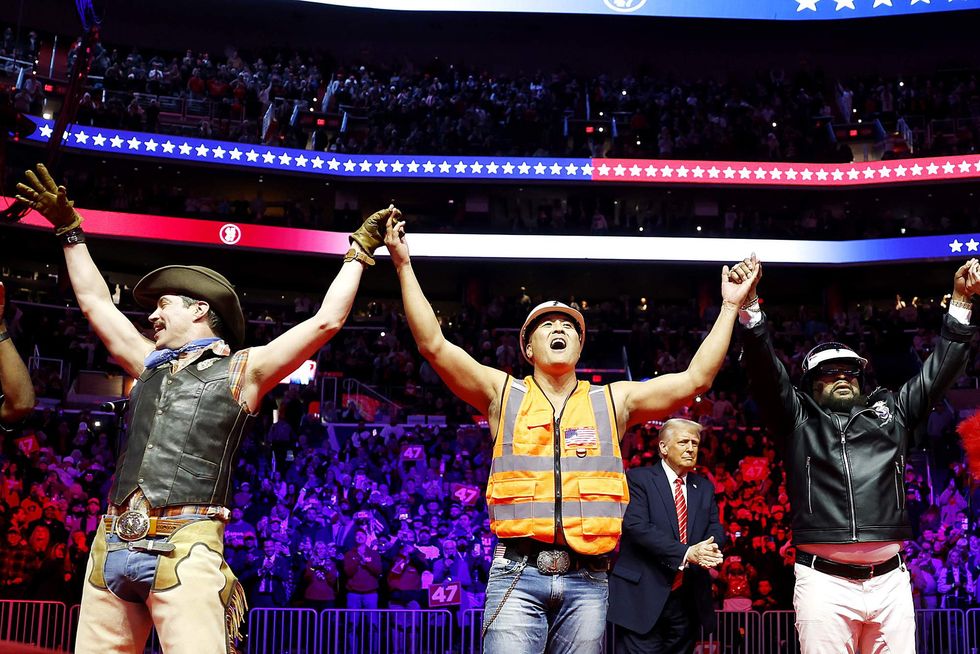 President-Elect Donald Trump watches the Village People perform "YMCA" on stage at his victory rally at the Capital One Arena on January 19, 2025 in Washington, DC. Trump will be sworn in as the 47th U.S. president on January 20.Anna Moneymaker/Getty Images