
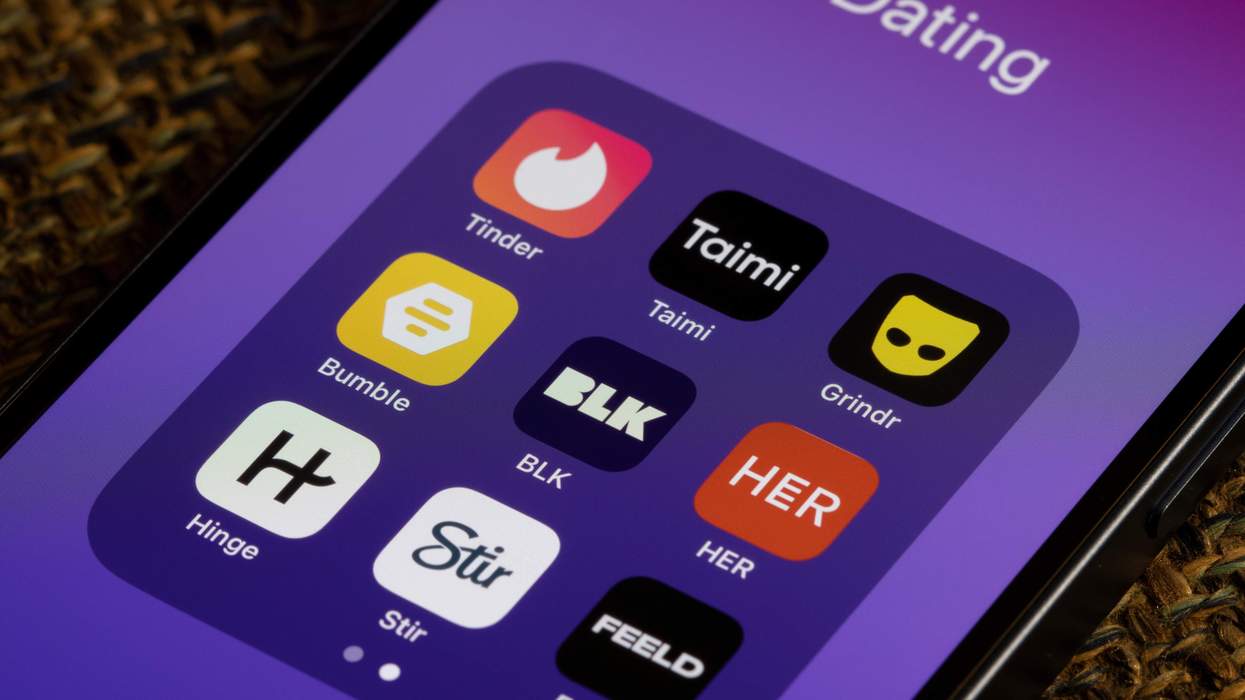



































Just in time for Pride, the dating app Hinge has released with its annual D.A.T.E. Report, and it claims to reveal what it's like to be dating at this moment in time.
D.A.T.E. is an acronym for Data, Advice, Trends, and Expertise, and according to Mashable, this year's findings move away from AI — an emerging trend in 2026 — and toward greater clarity in starting and maintaining an LGBTQ+ relationship.
"Clarity Builds Chemistry" is the name of the report, and it highlights a feeling of uncertainty that is most common among young LGBTQ+ singles. If that's you, too, don't be surprised, given the amount of uncertainty in our lives and around the world at large.
Hinge says it surveyed more than 31,000 respondents from all over the planet in January, and found that more LGBTQ+ daters feel either "a lot" or "great uncertainty" about the world compared to daters who are strictly heterosexual: 76 percent to 52 percent, respectively.
And that's not necessarily a bad thing, the poll revealed.
Uncertainty can be helpful, said 74 percent of LGBTQ+ people taking part in the survey. Uncertainty, they said, leads to better understanding of what they're looking for in relationships, and helps identify deal-breakers, preferences, and what feels right, as well as what feels oh, so wrong.
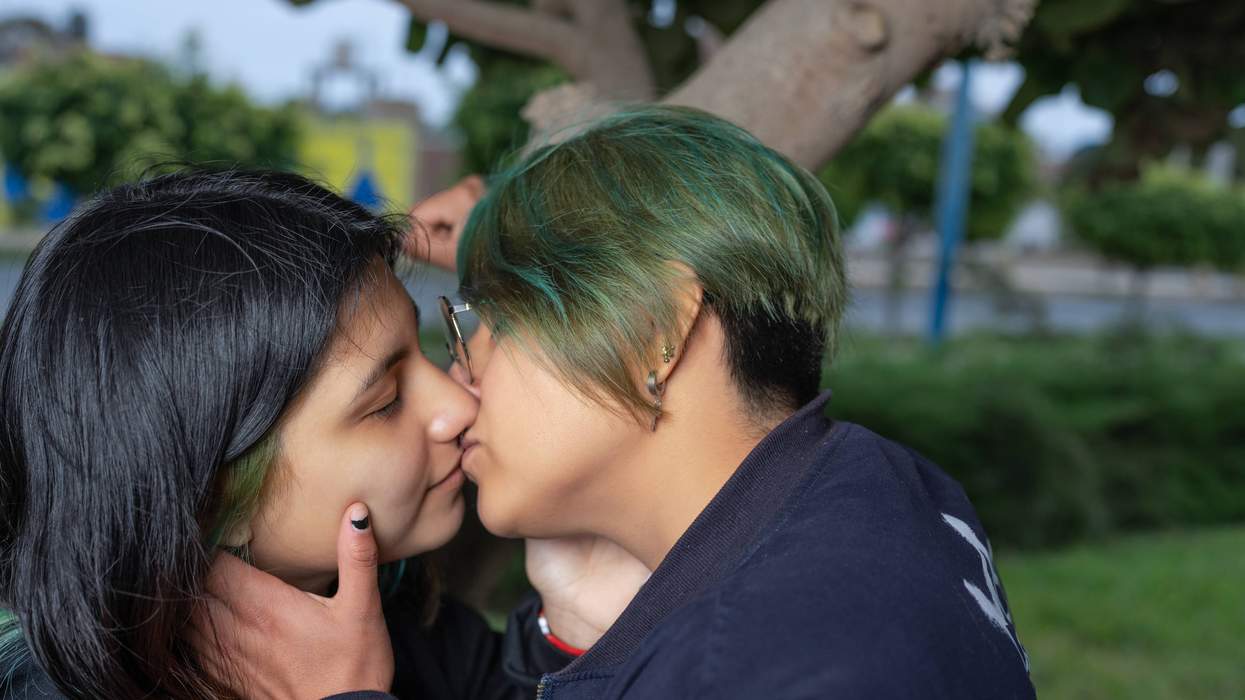
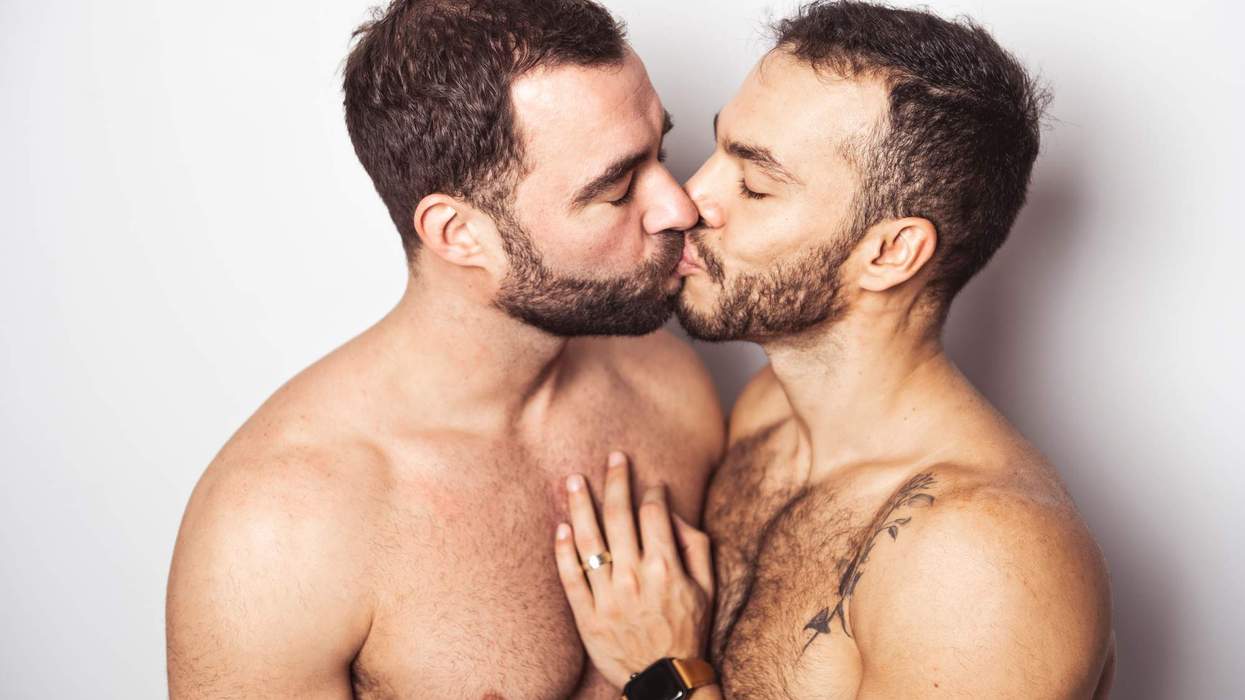
Public displays of affection early in a relationship helps more than half — 65 percent — of LGBTQ+ daters feel more secure.
However, the survey found they're 50 percent more likely than straight daters to pause before showing affection on the first date, especially if they don't feel safe in their surroundings. According to Hinge's official "love and connection expert," Moe Ari Brown, "you don't have to share the same comfort level to have a great date. Staying present and responsive turns a potential point of tension into a moment of real connection."
And questioning, something almost every LGBTQ+ person has experience doing, is healthy.
"Asking one another what kinds of affection feel good in public — and which feel better in private — keeps PDA grounded in reassurance," Brown told Mashable.
Unlike most straight people, LGBTQ+ people depend on, rely on, and thrive with the help of community.
Hinge says it found that the first question queers looking to date someone ask themselves is, "would I bring this person around my friends?" This might be because of what GLAAD noted is the importance of chosen family for young LGBTQ+ people.
The data is stark. LGBTQ+ people are 33 percent more likely than straight people to say it matters that their friends like the person they're dating. And for transgender respondents, this number is even higher: 37 percent. They're also 20 percent more likely to examine whether a potential partner is a good match with their circle of friends.
And not surprisingly, a focus on consistent communication puts LGBTQ+ daters more at ease in this uncertain world. 86 percent said consistent communication from someone they're dating reduces their anxiety. Making clear plans also makes them feel less anxious, as 78 percent said compared to 56 percent for heterosexual respondents.
Bisexual daters move at their own pace, even more so than the rest of the LGBTQ+ population: 83 percent compared to 76 percent for everyone else. Their focus is on slowly building connections with a potential partner rather than adhering to a set timeline, compared to straight daters, with only 64 percent saying they took their time.
And if it's going to lead to a U-Haul or some other next step in shacking-up together, LGBTQ+ daters told Hinge they are also more likely to view "settling down" as a mindset, rather than a "next step" in a relationship.
These findings stand in stark contrast to Hinge's 2025 D.A.T.E. reports.
The November edition discovered respondents were focused on communication and AI. Now, LGBTQ+ singles and even straight ones have shifted their focus to clarity, whether that's in public displays of affection, or private affirmations.
You can read Out's report on the June 2025 D.A.T.E. report by clicking here.









 KOTOIMAGES/Shutterstock

 New Africa/Shutterstock
  Devor Geber/Shutterstock