



















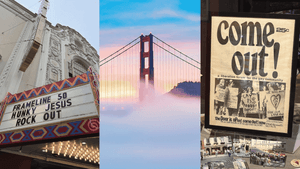














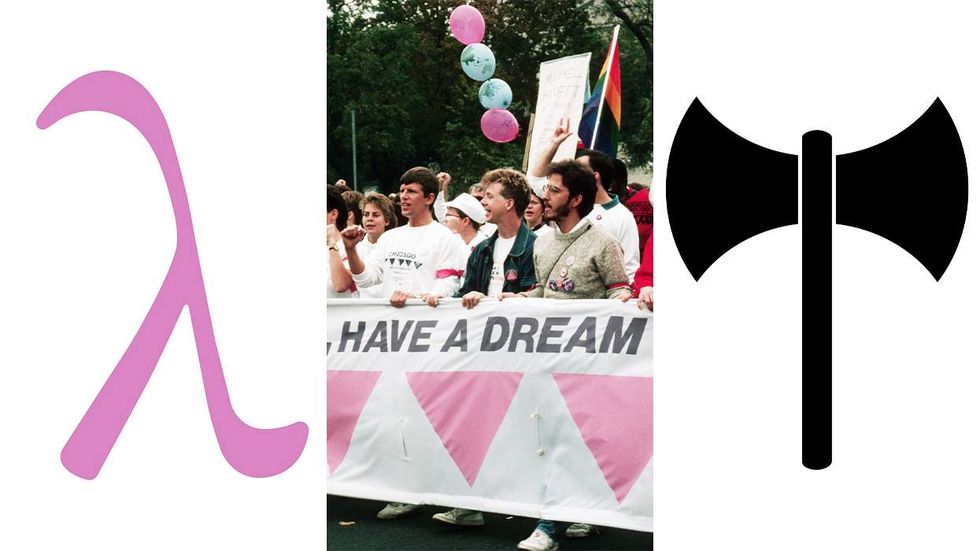
Lambda; Pink Triangle; Lesbian Labrys
Shutterstock; LEE SNIDER / PHOTO IMAGES/Corbis via Getty Images; Shutterstock
Before there were rainbow flags and pronoun pins, queer folks had to get creative. We couldn't just say it; we had to signal it. So we spoke in colors, flowers, and shapes that carried entire worlds of meaning.
From Oscar Wilde's green carnation to the pink triangle turned protest banner, LGBTQ+ people have winked at each other throughout history with symbols of survival and reclamations for queer joy.
Pink Triangle
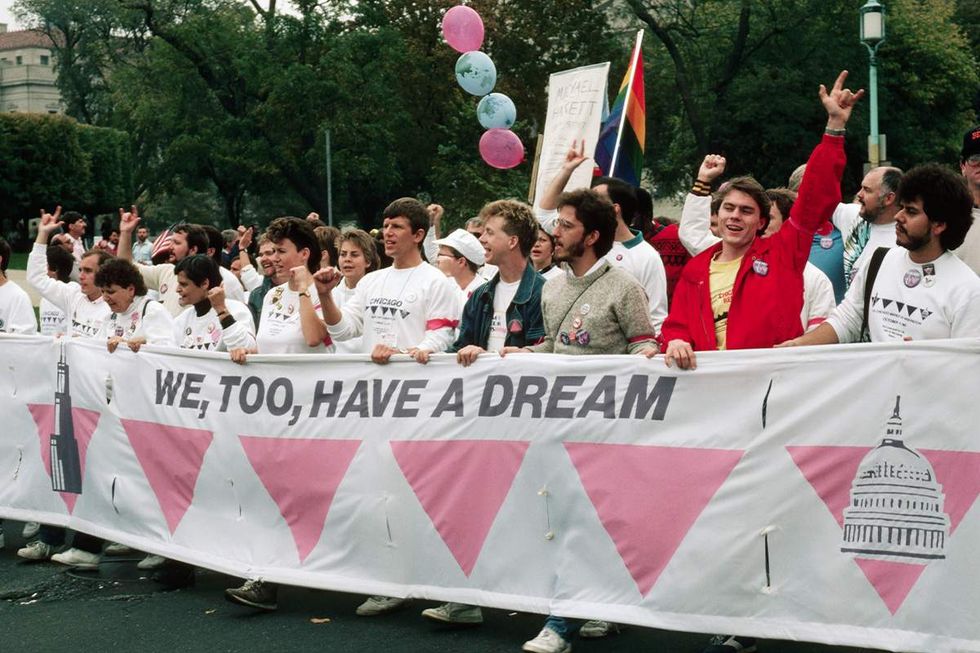
Gay Rights March in Washington DC
LEE SNIDER / PHOTO IMAGES/Corbis via Getty Images
Once used by Nazis to label gay men, the pink triangle was reclaimed in the 1970s and reborn as an era of queer resistance. Pain became protest. The pink triangle is living proof that we turn persecution into power.
Black Triangle
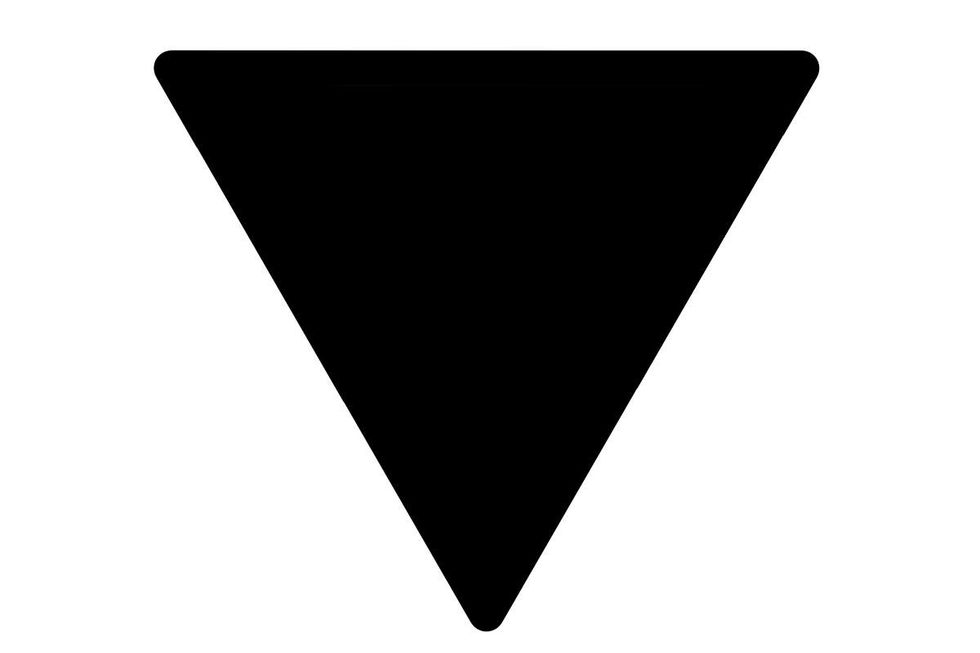
Black Triangle
Shutterstock
Lesser known than its pink counterpart, the black triangle was marked for "a(nti-)social" individuals under fascism, such as Roma, homeless, and alcoholics, as well as lesbians. In some circles, this symbol of state-sanctioned persecution has been reclaimed as a symbol for lesbian pride and solidarity.
Lambda
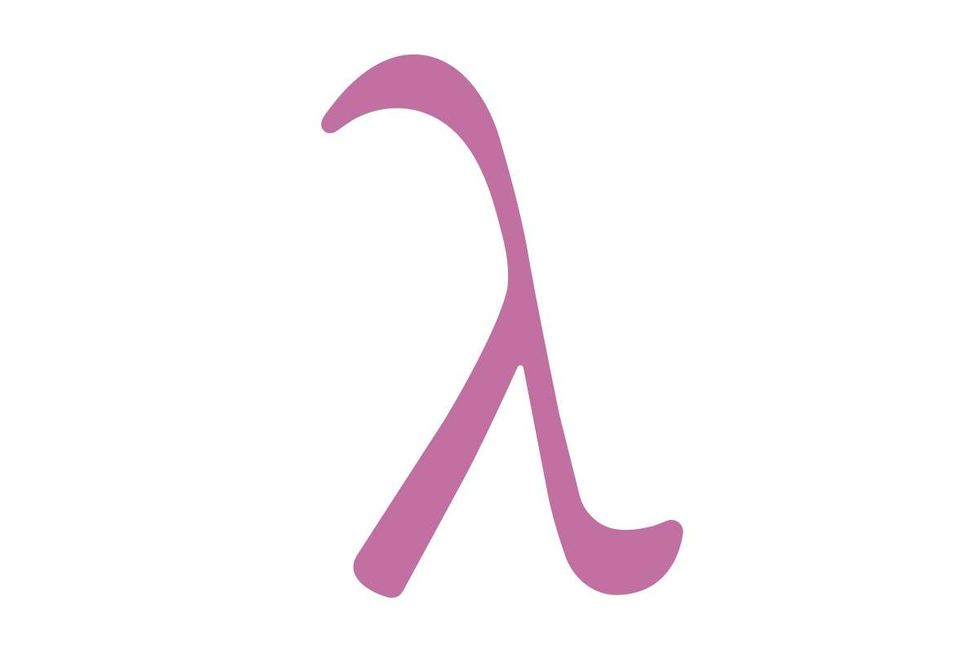
Lambda
Shutterstock
Chosen in 1970 by Tom Doerr of the New York Chapter of the Gay Activists Alliance, lambda represented energy, change, and liberation, becoming the Greek letter that powered a movement. Never underestimate a symbol that looks good on a protest sign and a silver pendant.
Interlocking Gender Symbols
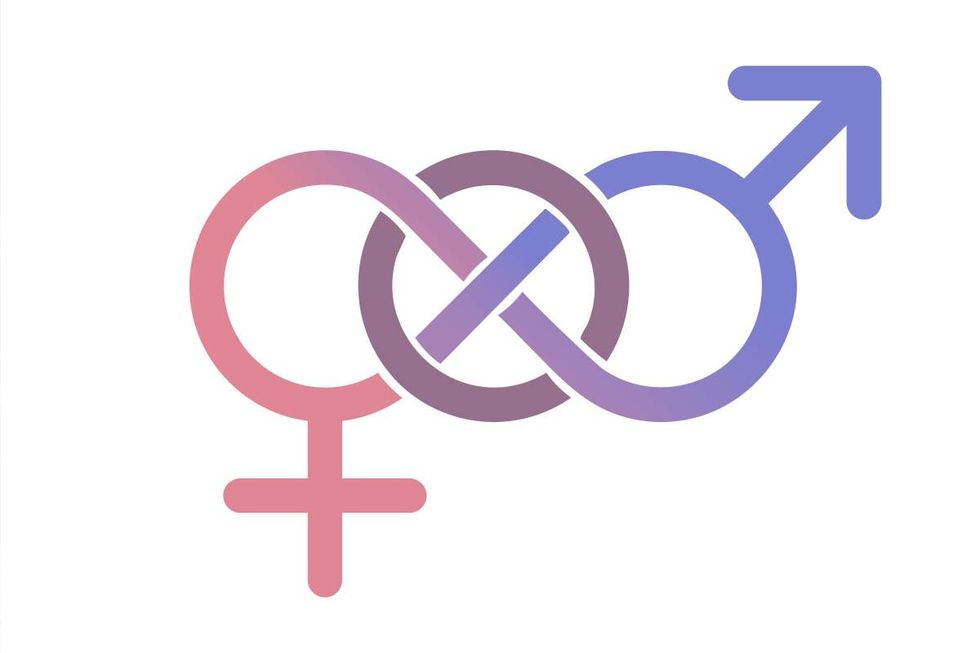
Interlocking Gender Symbols
Shutterstock
Since antiquity, the symbols for Venus and Mars have represented female and male, respectively. The interlocked symbols, however, became shorthand for lesbian and gay love, and the combined ⚧ for our trans and nonbinary siblings.
Lesbian Labrys
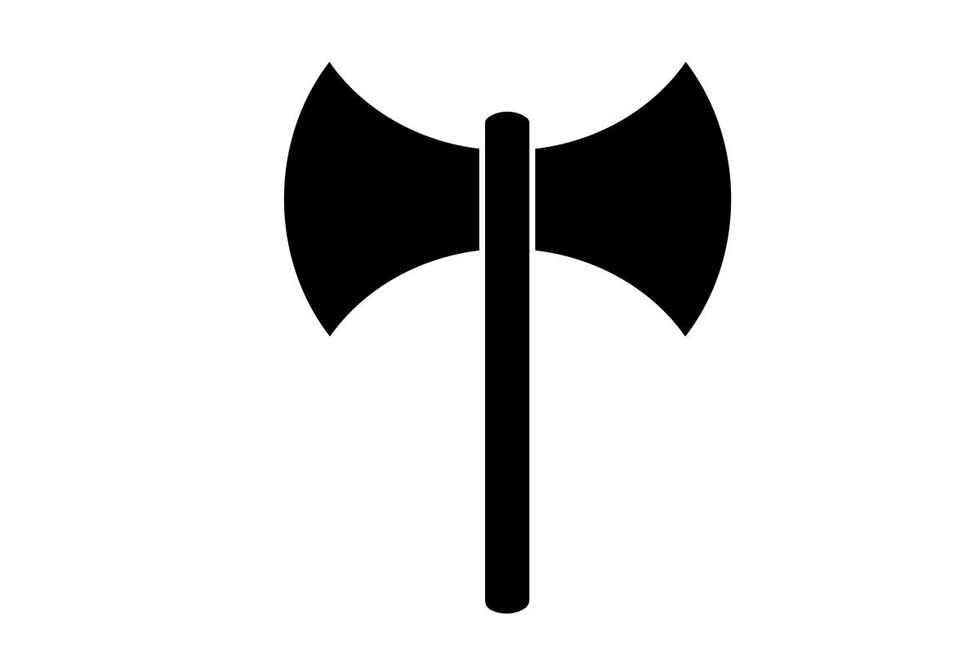
Lesbian Labrys
Shutterstock
An ancient double-headed axe, once associated with ancient, powerful figures like Amazons and goddesses, became a feminist statement of power in the 1970s. Think of it as the sapphic Excalibur!
Biangles
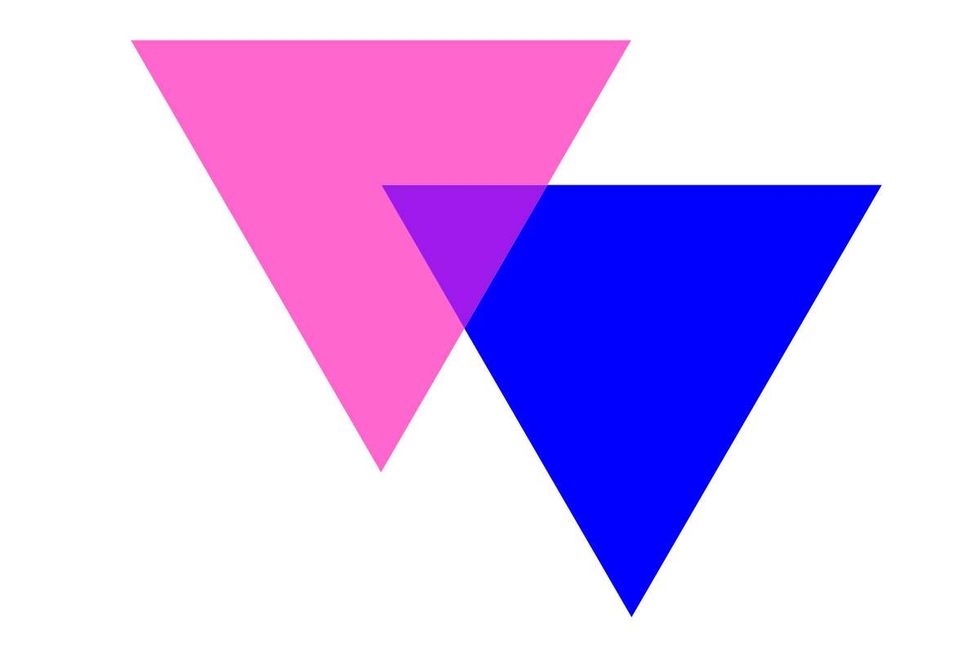
Biangles
Shutterstock
Before the bi flag, artist Liz Nania created the overlapping pink and blue triangles to symbolize attraction across genders. They were simple, sleek, and low-key scandalous.
Hanky Code
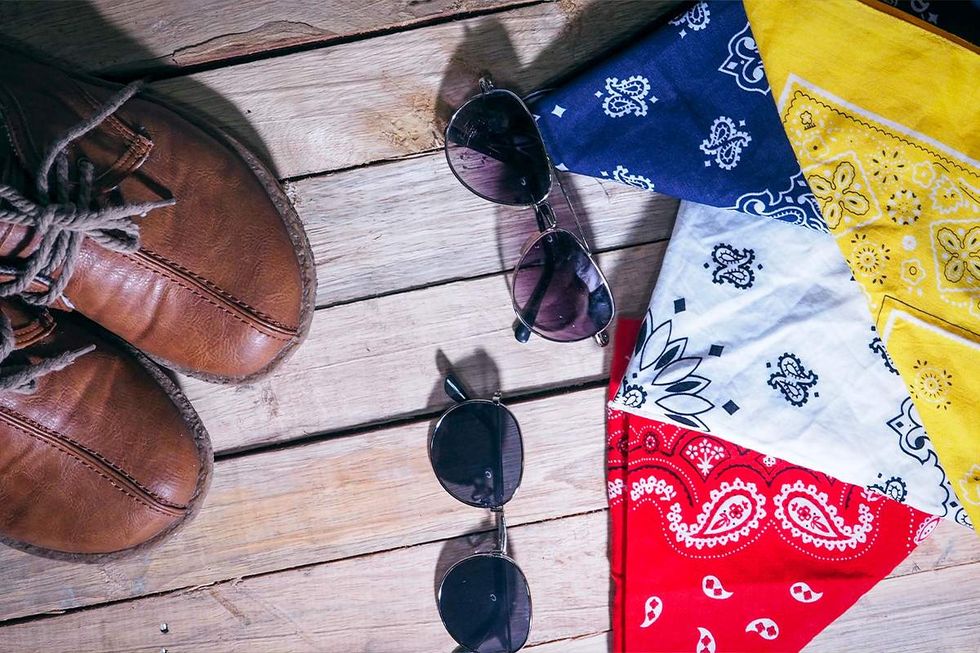
Hanky Code
Shutterstock
Long before apps like Grindr, pockets talked for us. Leather and cruising culture in the 1970s gave us a coded language via bandanas. The color of the bandana (ex: light blue for blowjobs) and the pocket placement (ex: right side for giving) signaled to other gay men what the wearer was interested in.
Freedom Rings
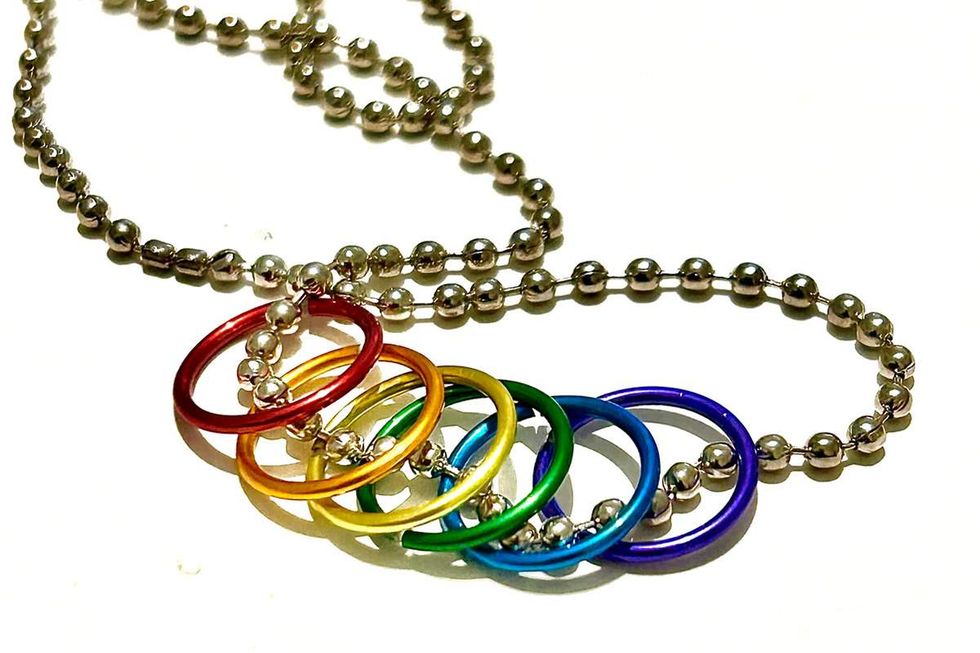
Freedom Rings
Universal Spada
In 1991, designer David Spada created six colorful metal rings symbolizing Pride. Jewelry that shone with joy!
Ace Ring
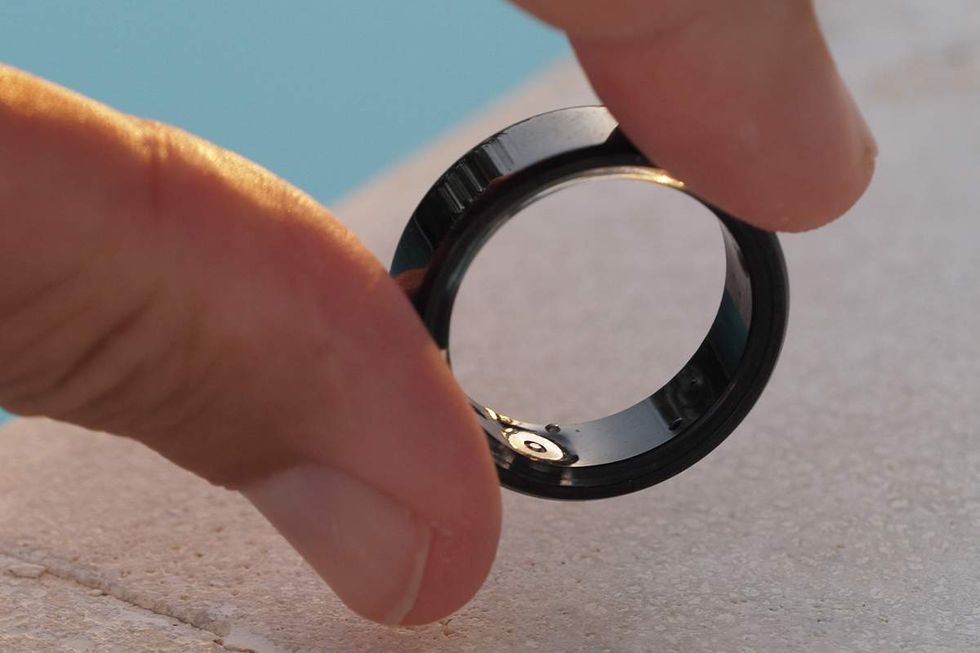
Ace Ring
Shutterstock
With a quiet signal, asexual folks claim the black ring on the right middle finger. This symbol of ace pride is understated, elegant, and powerfully personal.
Violets
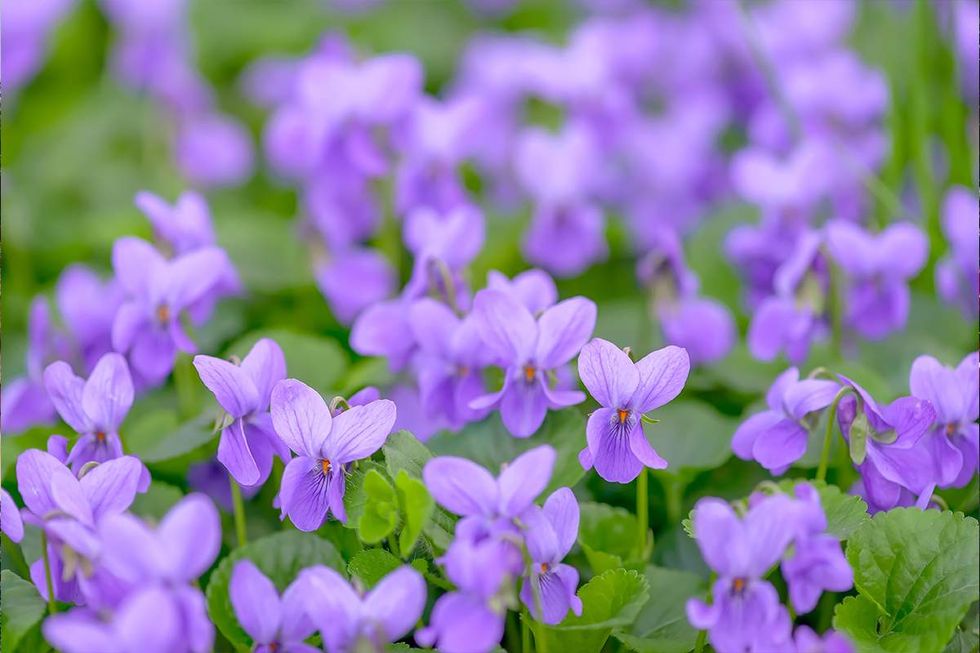
Violets
Shutterstock
The ancient Greek poet Sappho wrote many erotic poems that referenced violets, making them symbolic of sapphic love. Centuries later, women exchanged them as coded tokens of desire.
Green Carnation
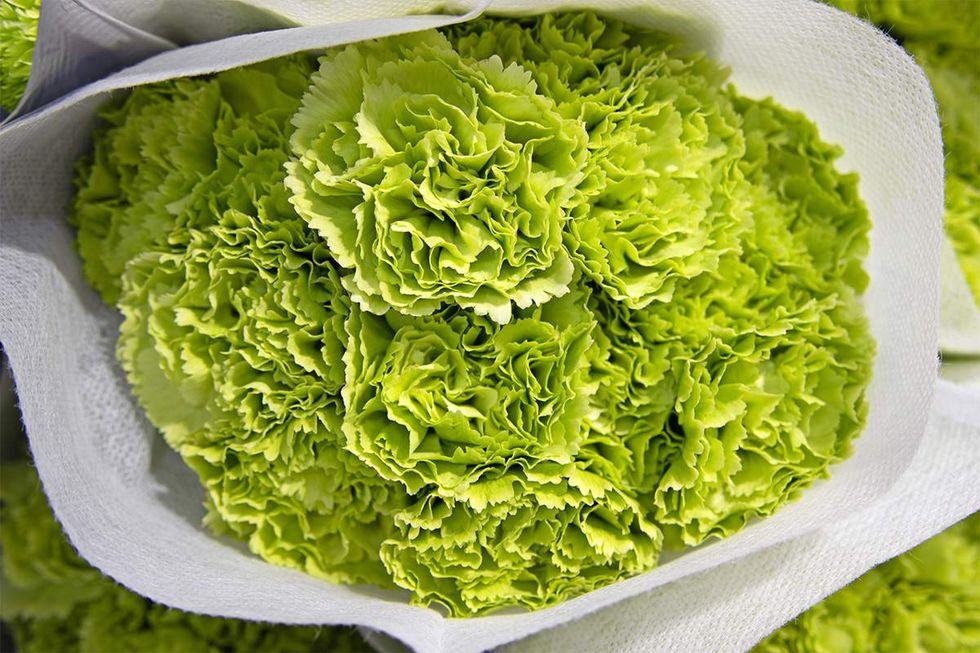
Green Carnation
Shutterstock
In 1890s London, Oscar Wilde asked his dashing followers to wear green carnations to his play, which became emblematic of his queer bohemian lifestyle. Though we don't know whether he intended to use this as a symbol for same-sex love, it became a subtle nod to queerness under an era of decadence.
Pansy
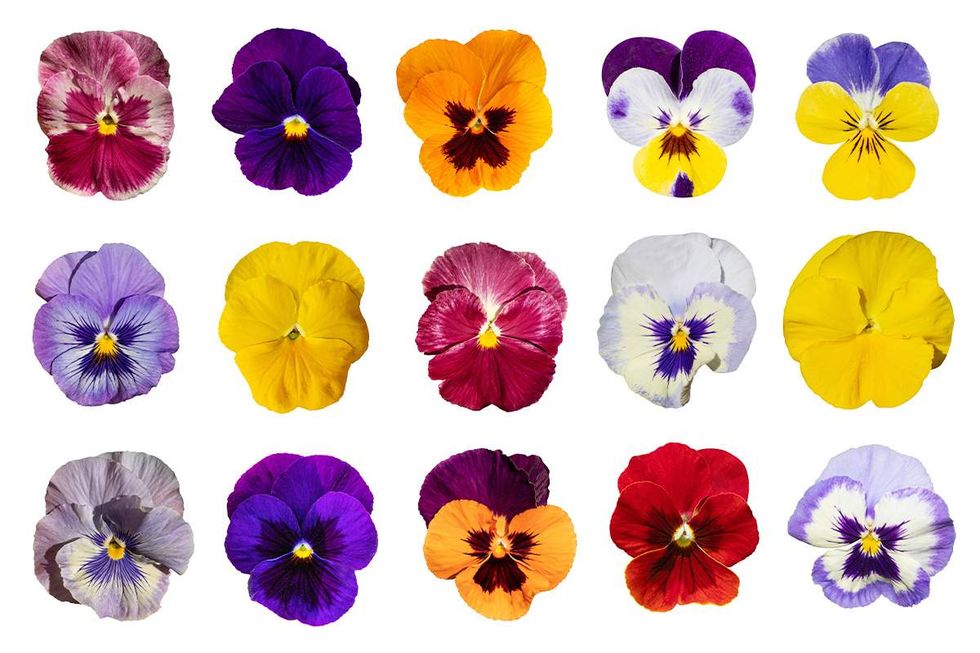
Pansy
Shutterstock
Once a slur, always a comeback. Though pansy is more familiar as a derogatory term to describe gay men as being "non-masculine and delicate," the Pansy Craze of the early 20th century was a golden age for drag bars and queer-friendly bars. It has also been reclaimed in recent years to remember queer victims of abuse. The Pansy Project, launched in 2005, plants these flowers at "sites of homophobic and transphobic abuse."
Lavender
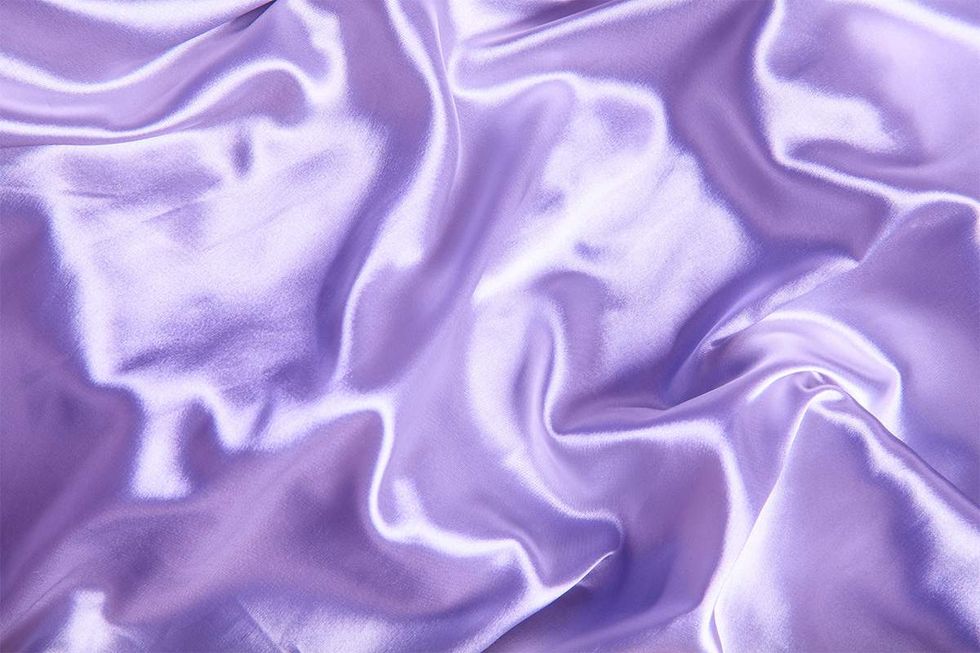
Lavender
Shutterstock
Not blue nor pink, but perfectly in between. Once used against the community during the McCarthy era's "Lavender Scare," the color was reclaimed at the start of the modern LGBTQ+ movement as a color of empowerment.
Lavender Rhinoceros
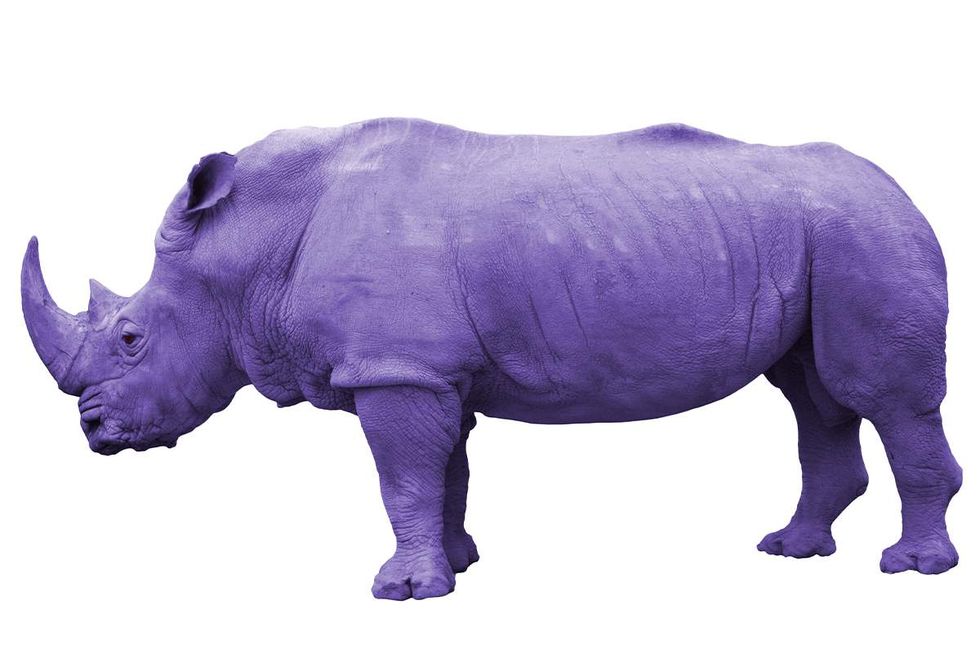
Lavender Rhinoceros
Shutterstock
In 1974, queer activists plastered lavender rhinos across Boston buses. Because if you're going to demand visibility, why not do it with a horn? It's safe to assume the rhino association is because it's strong, misunderstood, and (allegedly) charges only when provoked. Relatable.
Safe-Space Triangle
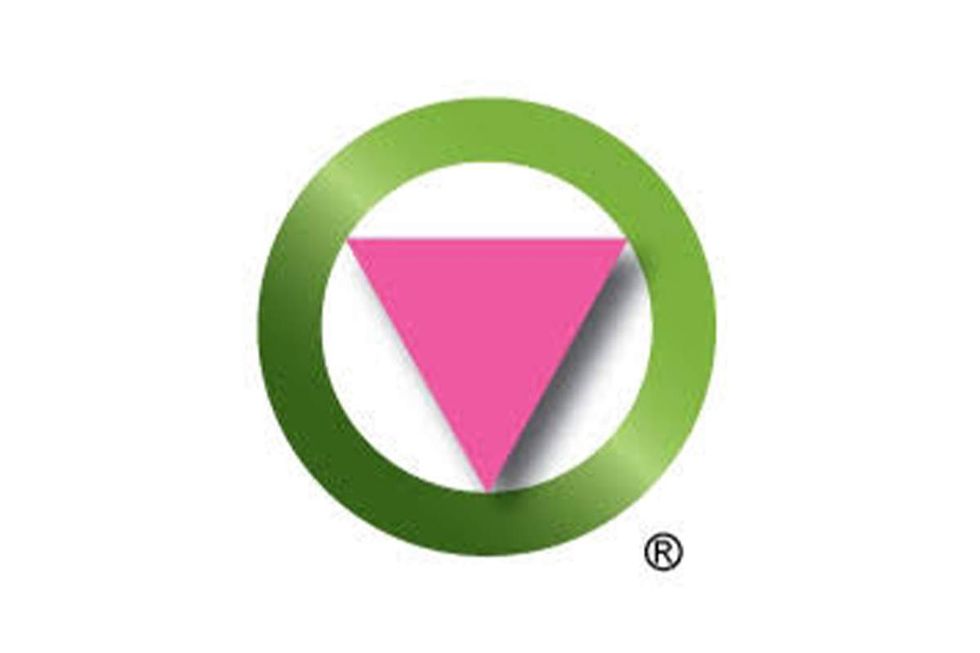
Safe-Space Triangle
EQUAL!
That pink triangle inside a circle? It's not just retro Pride décor. Developed by EQUAL!, formed initially as an employee resource group at AT&T, the symbol marked places of safety in schools and offices starting in the 1990s. Because every queer kid deserves to know which door is safe to open.
Lambda; Pink Triangle; Lesbian Labrys Shutterstock; LEE SNIDER / PHOTO IMAGES/Corbis via Getty Images; Shutterstock From coded flowers to signs of safety, every queer symbol is a love letter to resilience. We've turned shame into shine, secrecy into solidarity, and geometry into pure gay drama.
So next time you see a little triangle, a violet pin, or someone with a black ring, remember that it's the personification of our community's struggle and survival over the ages.












 Actress Marlene Dietrich and Paul Porcasi in a scene from the movie Morocco. Donaldson Collection/Getty Images