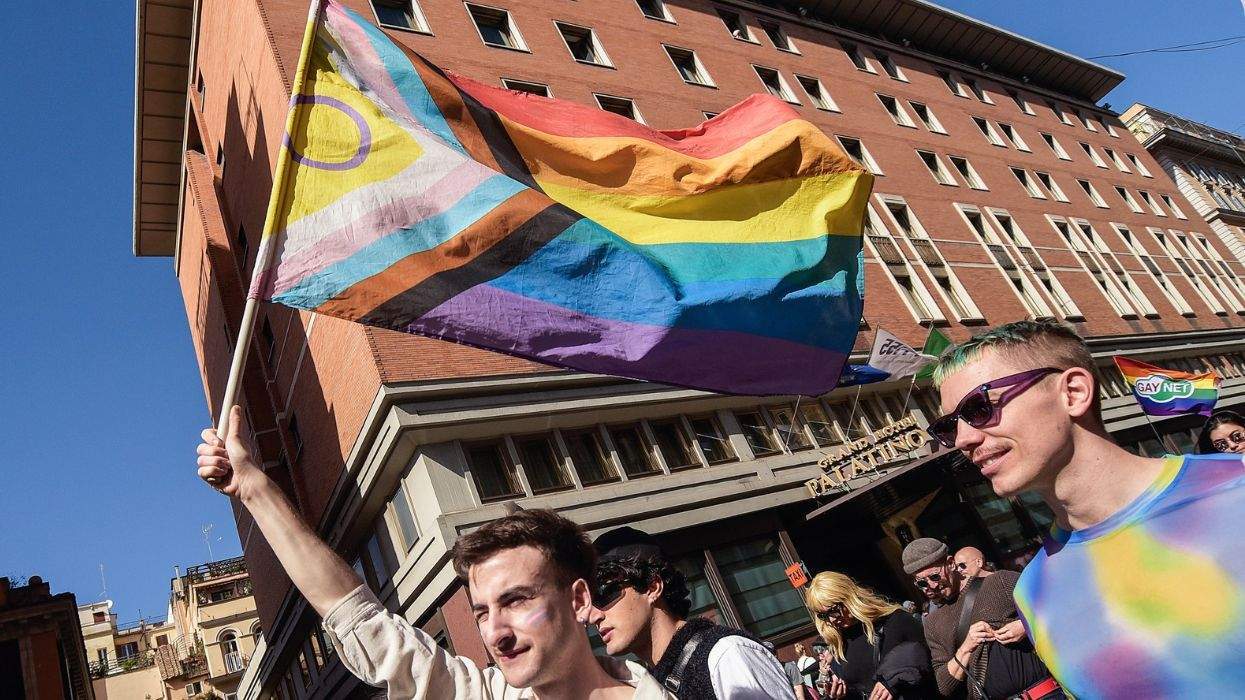




























began developing an awareness day in 2003, choosing the protest’s anniversary. Koyama founded the Portland-based Intersex Initiative after working at the Intersex Society of North America.
Related: Op-ed: The 'only two sexes' argument is a political myth, not a scientific reality
Thirty years later, the fight for bodily autonomy continues
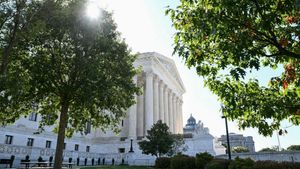
Today, that history collides with a federal government asserting rigid definitions of sex. President Donald Trump’s January 2025 executive order directed agencies to recognize only male and female, described as unchangeable, and apply those definitions across federal policy, including identification documents. The administration presented the order as a way to protect women.
In its anniversary release, interACT: Advocates for Intersex Youth warned that restrictions involving identity documents, sports, bathrooms, and discrimination protections also affect intersex people. The organization says exceptions in gender-affirming care bans preserve nonconsensual surgeries intended to make intersex children’s bodies conform to binary expectations.
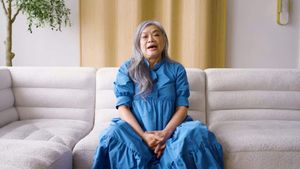
“It comes down, I think, to consent,” Driver said.
A 2017 Human Rights Watch and interACT investigation documented harms from medically unnecessary childhood procedures, including scarring, loss of sexual sensation, and sterilization. Driver distinguishes those interventions from necessary treatment, including procedures addressing urinary problems.
Erika Lorshbough, interACT’s executive director, is an intersex lawyer who previously led statewide legislative advocacy as deputy director for policy at the New York Civil Liberties Union.
“Thirty years ago, intersex people stood up and demanded the right to make decisions about their own bodies,” they said in the release. “Progress has been made, to be certain, but that fight is far from over.”
Related: Intersex People Can No Longer Be Sidelined in the LGBTQ+ Movement
By next year, Driver wants at least one state to enact protections against medically unnecessary surgeries without the affected person’s consent. She also wants LGBTQIA+ organizations to make the “I” — for intersex — meaningful through programming and attention to the community’s needs.
“If you’re going to include that I, you’ve got to include our stories,” she said. “You can’t just include it because it’s cool to include it.”