





























Antionette MichelleWhen Amy Sherald withdrew her American Sublime show from the Smithsonian in protest of institutional cowardice, she was not only defending a work or even an idea of artistic integrity, but rather shouting for something more.
In the incestuously overengineered think tanks of American power, her canvas masterfully showcases perfectly crafted strokes of charcoal, blues, and pinks in "Trans Forming Liberty." The piece dares to exhibit trans joy and freedom. However, the powers in play at the Smithsonian Institution balked at claims by what appears to be right-wing, anti-trans political forces, wondering how to present the piece while ensuring freedom of speech, and it no longer censored only art.
The concept was to ensure that queer and trans people were valid enough to be looked at, applauded, and appreciated.
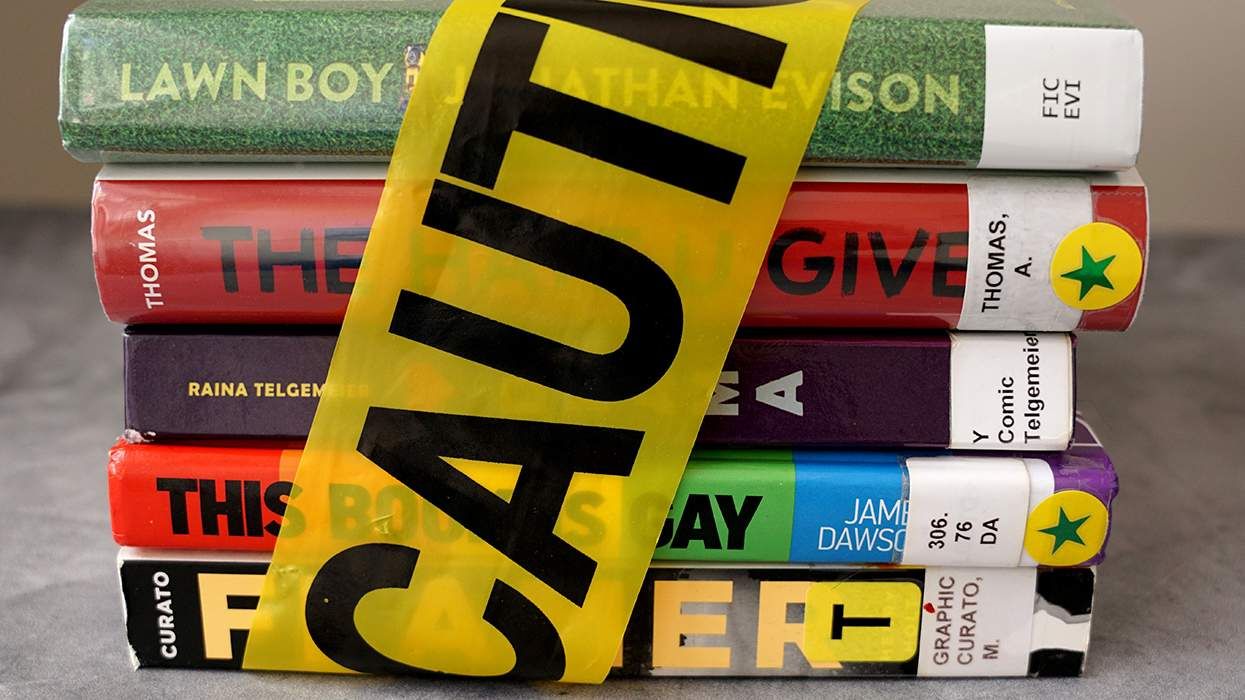
Let's be clear: When cultural institutions bow to fear, they echo the same logic used to justify book bans, classroom censorship, abortion restrictions, and attacks on gender-affirming care. Whether it's a gallery wall or a school library, we are witnessing a coordinated strategy to shrink the boundaries of public imagination and silence those already most vulnerable.
Sherald's refusal to sanitize her work stands out as a prime example of values-aligned leverage. Amy Sherald has drawn an apparent line in the sand: Censoring trans narratives attacks all of us. In a time of increasing authoritarianism and legislative backlash, joy, especially queer, trans, Black joy, is a radical act—an act of care and resistance.
Censoring art that celebrates trans lives isn't just symbolic repression. It's part of a larger effort to delegitimize entire communities. To dictate whose experiences are valid and whose existence is up for debate. Art that unapologetically celebrates trans lives and the full spectrum of gender identities is not optional; it's essential. It creates a public space where dignity, joy, and complexity are visible and undeniable.
These efforts to repress are often coerced by the same lawmakers who strip reproductive rights, block climate justice, and pass voter suppression laws. The through-line? A fear of autonomy. A fear of people who dare to self-define.
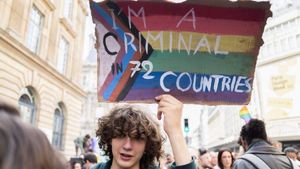
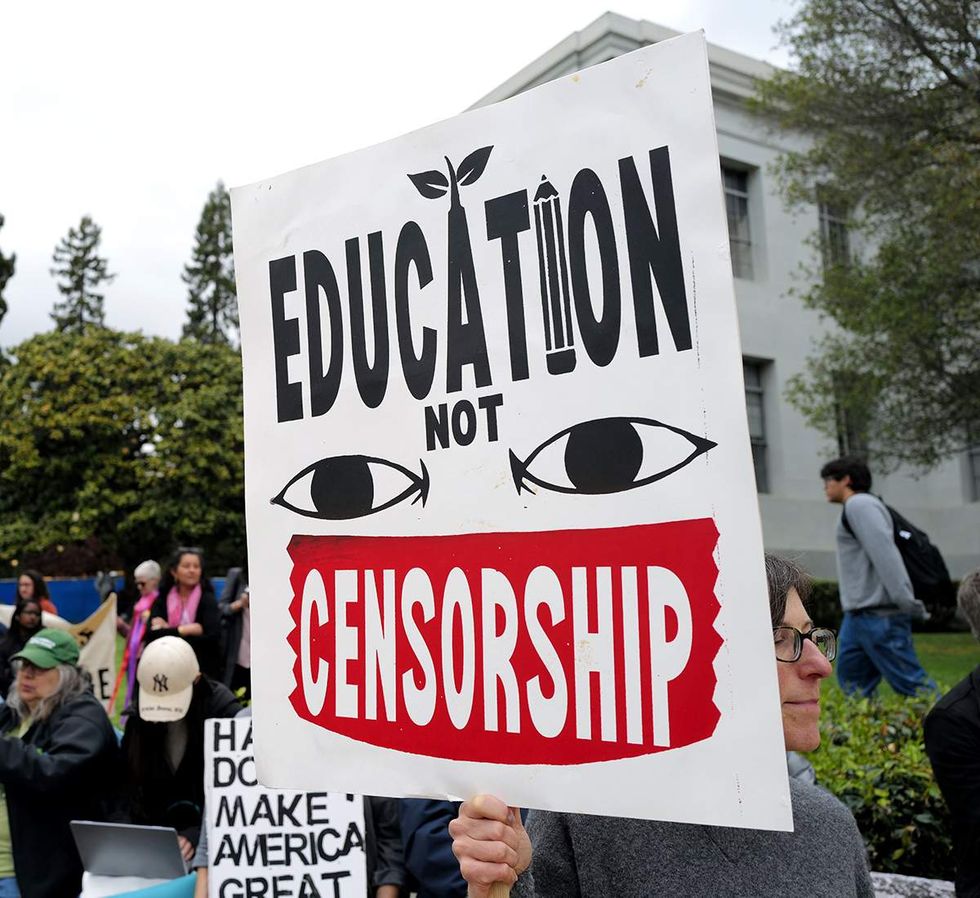 Protest against President Trump threatening to withhold federal funding from California universities based on curriculum in Berkeley, CA, April 2025Phil Pasquini/Shutterstock
Even if you're not trans, not queer, pregnant, or an artist, this fight is still about you. It's about the right of every person to learn, create, and speak freely without punishment from the state and without being erased by the institutions that claim to have our best interests at heart. Because the truth is, autonomy can threaten systems built on control. When we defend the right to love, to choose, or transition, we are defending democracy itself. And in that defense, art and culture become more than expression; they become a frontline strategy to safeguard the freedoms that belong to all of us. Autonomy is joy. And joy, in the face of erasure, is a political tactic.
I've dedicated my work to protecting the freedom of truth-telling and artistic expression, and it's time to speak out. Institutions must be held accountable, but so must the policymakers who create them, as they are often too afraid to do otherwise. Because silence in the face of censorship is complicity, and our collective power lies in refusing to let fear dictate whose stories get told.
Does that mean demanding more from cultural institutions? Yes! But also organizing, voting, and moving in ways that make it impossible for policymakers to hide behind fear. It also means insisting that art celebrate trans lives because it's central to a healthy democracy, as transgender people contribute to every part of society. When their humanity is denied, we lose not only their voices but the richness and innovation they bring to society. A democracy that recognizes and uplifts trans people signals that everyone has the right to safety, dignity, and opportunity.
And it means that each of us, using whatever platforms we hold, must say clearly: truth-telling is not negotiable.
Our genders, our bodies, our cultures, aren't a luxury; they're the foundation of collective freedom. Every time we affirm our humanity out loud, we push back against systems built on silence and shame. Refusing to hide and refusing to edit ourselves for someone else's comfort is how we protect not just individual dignity but the soul of democracy.
When Black and Brown communities, when immigrants, trans and queer people, culture bearers and artists are told to shrink or sanitize who they are, it's not just personal, it's political.
And when living authentically gets political, it's time to organize. Not apologize.
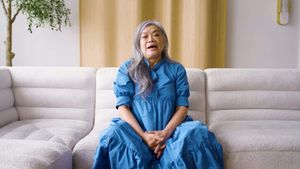
Krystle Edwards (she/her) is a cultural strategist and creative leader who uses joy as a catalyst for social change.
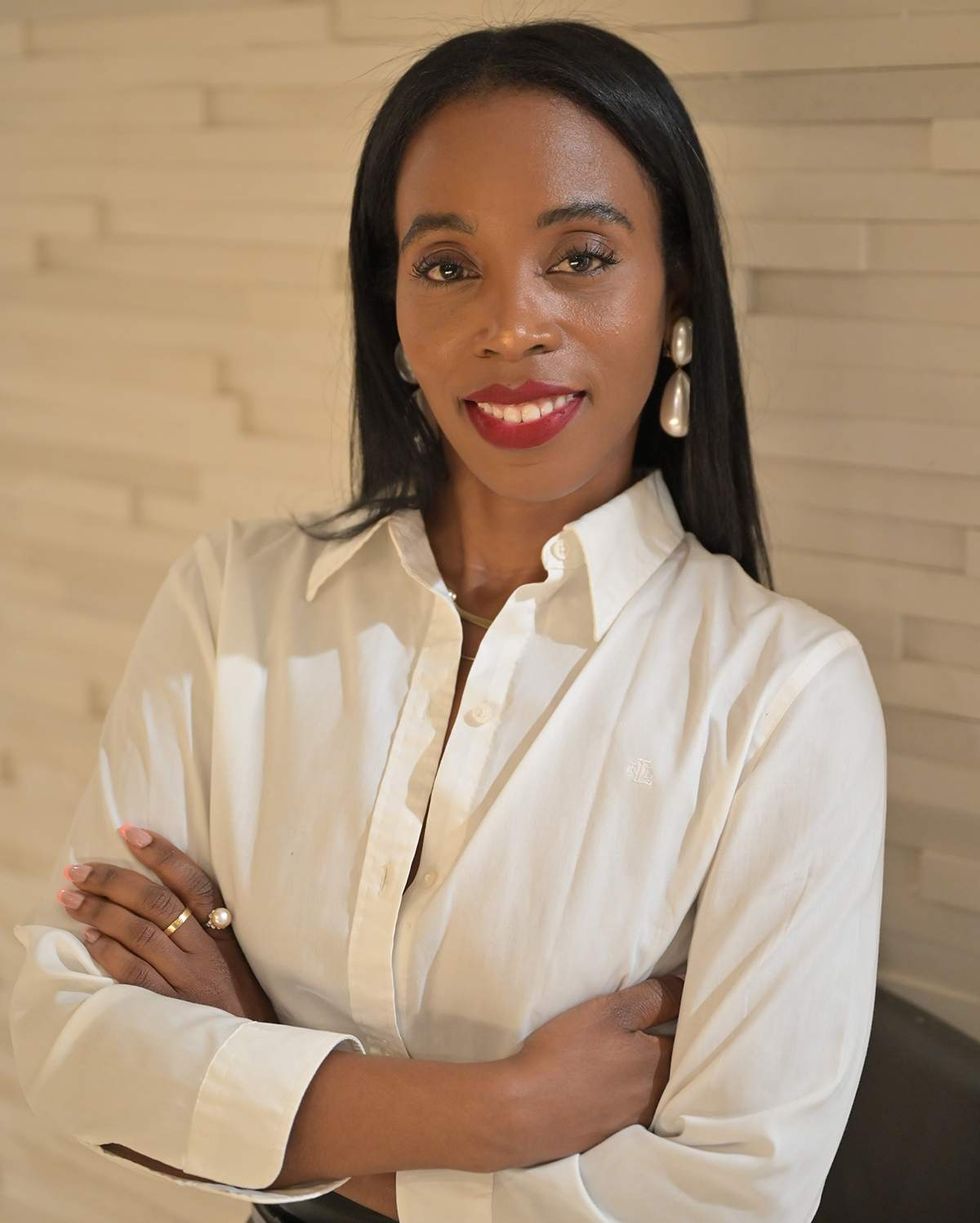 Krystle EdwardsAntionette Michelle (provided)
Perspectives is dedicated to featuring a wide range of inspiring personal stories and impactful opinions from the LGBTQ+ community and its allies. Visit Pride.com/submit to learn more about submission guidelines. Views expressed in Perspectives stories are those of the guest writers, columnists, and editors, and do not directly represent the views of PRIDE or our parent company, equalpride.