



















My queerness didn't arrive all at once. It unfurled over time, like a flower that opens as the sun gently kisses each petal.
I had my first "boyfriend" at three years old. We would mostly hold hands and sing, and I knew I could do that for the rest of my life, so I'd likely marry him one day. And I had my first "girlfriend" at eight. She and I called each other "squeezables" because we were the people the other could go to when we needed a hug. And both felt the same to me. Innocent, sweet, and safe.
Then seventh grade happened.
My mom sat me down to say that, as a Christian, I wasn't supposed to date girls. And I, deeply concerned and extraordinarily literal, asked her whether that meant I could have gone to hell over the past 4 years without knowing it. She looked at me gently and didn't answer right away; she just asked for time to think because up until that moment, my queerness was still being interpreted as childhood innocence. She said I was made of love and therefore loved too much.
Years later, when I developed a real crush on a girl in high school, I knew I needed to revisit the convo with mom. This girl and I both had boyfriends at the time, yet after Social Studies class, we'd 'randomly' meet at our cars and kiss, as if gravity were pulling us together; an unspoken chemistry crackled between us. I'd debate her in class about creationism vs evolution. She was science and I religion, like this cosmic Yin and Yang. When I told my mom I wanted to write her a Christmas card. I didn't know if that meant I was sinning cause I knew my words would be drenched in flirtation — like way too many feelings to call it a friendly Christmas card. My mom, the same mom who questioned whether seventh graders go to hell for a crush, said something that changed my life: "You can either be honest about your feelings or lie about them, and the Bible has a lot more to say about telling the truth than about getting butterflies."
So from then on, I chose honesty. I chose truth.
And my truth keeps unfolding. Since high school, I've met incredible people who don't neatly fit into some imagined binary. I've realized that the term that honours my lived experience most is pansexual. That my love isn't tied to someone's assigned sex or gender. My love is big, bold, and unbridled. It doesn't demand reciprocity or conformity. It inspires me and fuels my desire to grow. Love is my gift to myself as much as it is a gift to anyone else.
Oh, and that girl from high school and I continued to orbit each other for longer than both of us would care to publicly admit. But we learned a lot about ourselves, and that was the point. We're on different paths now, but respectfully root for each other from the sidelines.
I have changed so much since my upbringing. My edges have softened as I've listened and learned other people's truths. Dogma has melted into a sense of connection, spiritual beings having a human experience. My current meditation is, "If God is love, then love is God." So if I want to be trustworthy, I must be honest.
And I must let love, not fear, lead.
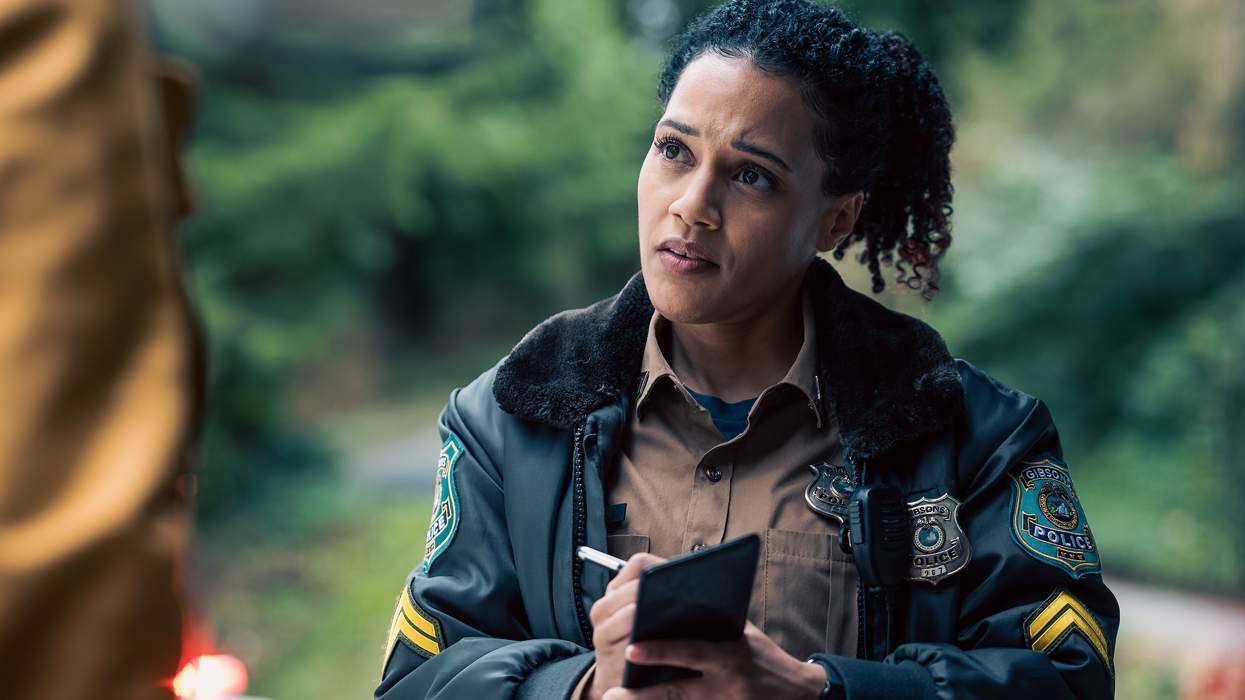
Stepping into the fictional small town of Gibsons as Corporal Laila Jackson on FOX's series Murder In A Small Town felt wonderfully familiar. Like her, I was raised to believe assimilation was key to survival. Read the room. No, study the room. Be likable. And perform acceptance until, one day, you earn it. But Laila's arc, like mine, in many ways is about letting the truth steer, even when it behaves like a bull in a china shop.
One moment on set that moved me was when the showrunner, executive producers, writers, and the lead cast asked what I thought of the queer representation in our show. No one had ever asked me that before, at least not on this scale. Or with this sincerity. But I took a note from mom's book asking us to put a pin in that and circle back. And later checked in with the actor who plays my love interest on the show, Jodelle Ferland, and we landed on queer joy and nuance. So once we'd found those words, a whole new creative space opened. My voice—our voices—were valued.
My identity wasn't just tolerated on this show; it was celebrated. Jodelle and I were encouraged to bring our lived experience into the storytelling, to make it as honest, joyful, and grounded as possible while still exploring the dramatic beats. For the first time, I felt like an authority in the room, not because I performed acceptance, but because I stood fully in my authenticity.
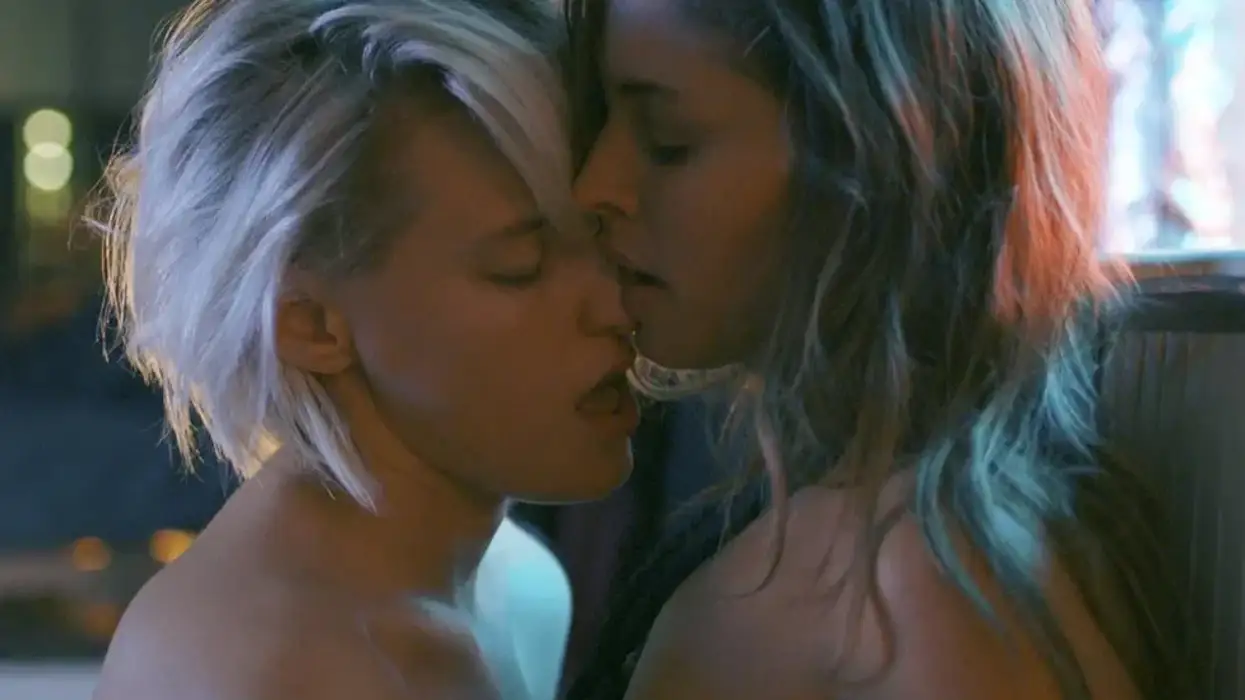
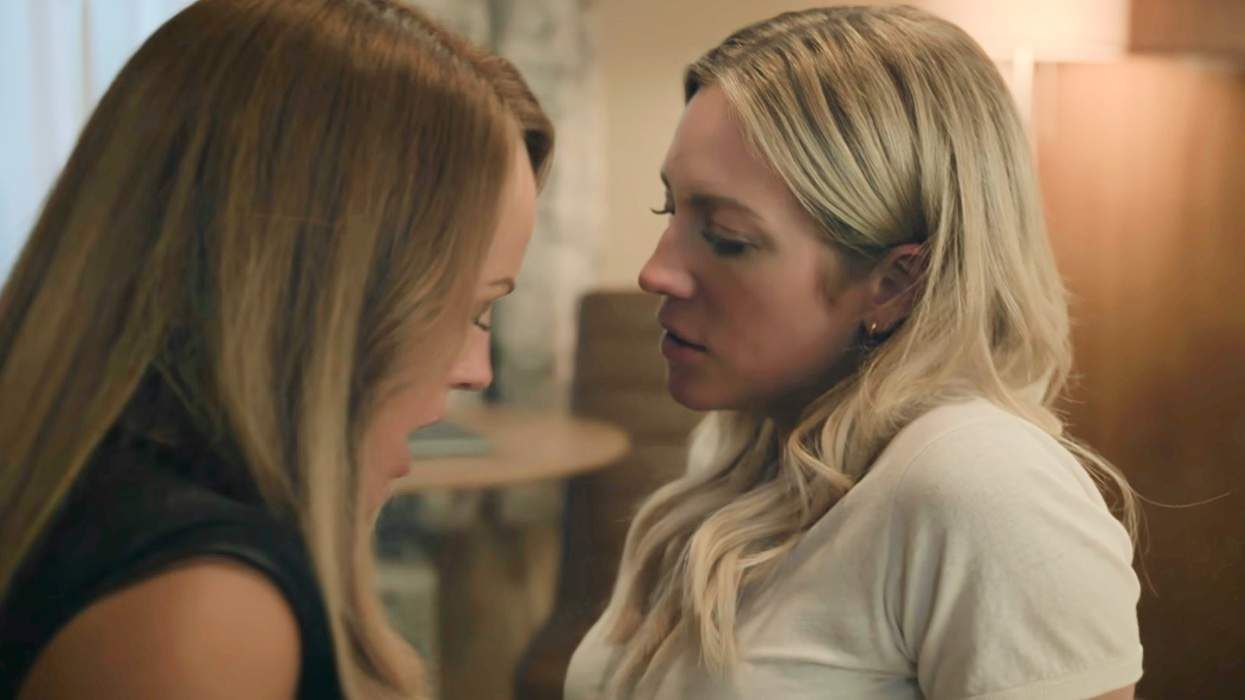
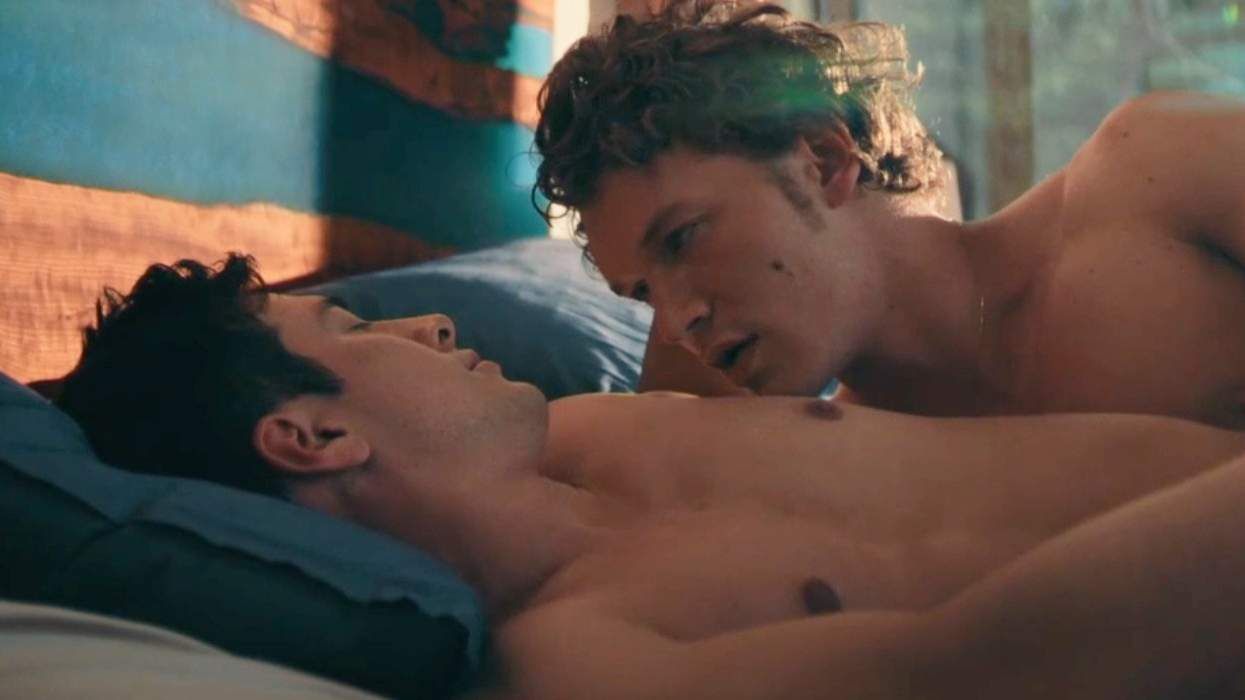
One of the most meaningful parts of this past season has been creating a queer relationship that wasn't built on shame. Crime dramas can have stories rooted in secrecy, repression, and forbidden love that trap queerness inside trauma arcs. But from the moment Jodelle and I approached the script, we both felt something rare: There was no shame on the page. No pushback from the community. Not assuming my character was straight. We weren't tasked with portraying a traumatic "coming out" story.
Now our characters may not have the highest emotional intelligence, but they are attuned to each other. And we were allowed to add a kiss, gentle touches, eye contact, these little moments of intimacy that weren't always written but were profoundly true to our lived experiences in queer relationships.
We wanted the audience to feel the possibility of love, not just the risk.
And for me, it was liberating. After a lifetime of navigating truth, queerness, Christianity, and identity, getting to portray queer joy unapologetically felt like being handed the salve for my own story. An opportunity to move the cultural needle toward a world I want to live in and the next generation to grow up in. My mom often reminds me how important it is for her generation to see healthy queer representation, because she didn't have any references for it, and we had to muddle through together.
Playing Corporal Laila Jackson has been a gift, an excavation of shame, a discovery of truth, and an elevation of joy. It let me look at the parts of myself I once feared were too much, too queer, too loud, and too complicated — and realize they are my most excellent tools as an artist.
A culture of heteronormativity taught me to hide. Queerness taught me to bloom. My mom taught me to tell the truth. And Murder in a Small Town has given me the microphone to explore the unfurling beauty of queerness.
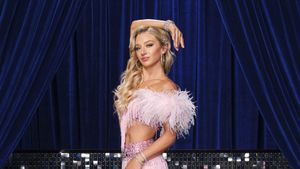
Bethany Brown is a Canadian actor, writer, and creator best known for her powerful performance as Corporal Laila Jackson in the series 'Murder in a Small Town' on FOX.
Perspectives is dedicated to featuring a wide range of inspiring personal stories and impactful opinions from the LGBTQ+ community and its allies. Visit Pride.com/submit to learn more about submission guidelines. We welcome your thoughts and feedback on any of our stories. Email us at voices@equalpride.com. Views expressed in Perspectives stories are those of the guest writers, columnists, and editors, and do not directly represent the views of Pride or our parent company, equalpride.