






















Every time Sabrina Carpenter displays queerness, the internet goes crazy.
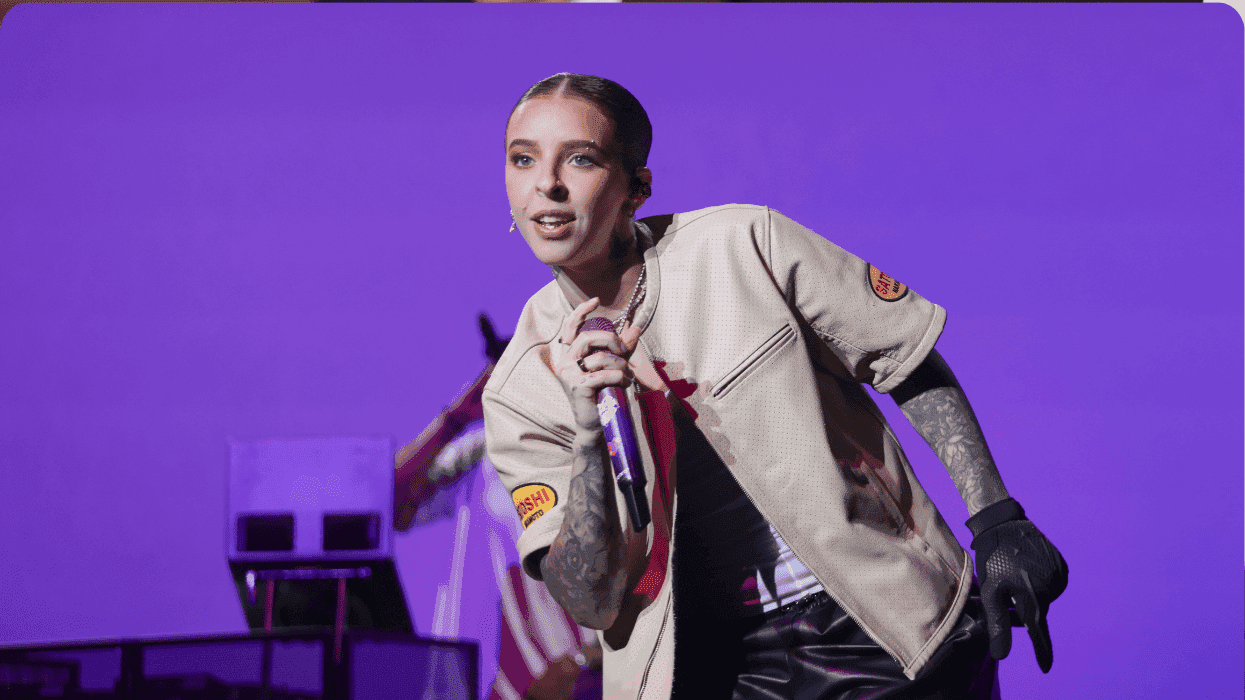
She kissed Jenna Ortega in the "Taste" music video. She made out with a female alien at the live performance of her summer hit "Espresso". She posed on all fours with a pup-play reference to her latest album cover, Men's Best Friend. She danced with her drag mother, played by Colman Domingo, in the "Tears" music video, set to campy Rocky Horror Picture Show aesthetics. Then, at this year's VMAs, she dances with drag artists holding banners advocating transgender rights.
At first glance, it looks like a marketing gimmick: a doll-like blonde pop star kissing women and dancing with drag queens only for attention. It resembles the kind of tactics that straight celebrities usually use, showing queerness to an extent that is just enough to trend but far from risking anything. It is palatable and agenda-free. Appropriating queer elements but not actually delivering their meanings is queerbaiting. But Sabrina Carpenter is not playing this game. What she does is way stronger, way more consistent, and way more interesting.
She is feminine in a campy way. And camp is inherently queer. While garnering all the attention she needs, Sabrina Carpenter is deeply incorporating this queerness into her artist persona through her performances. She is embracing the community by camping her femininity.
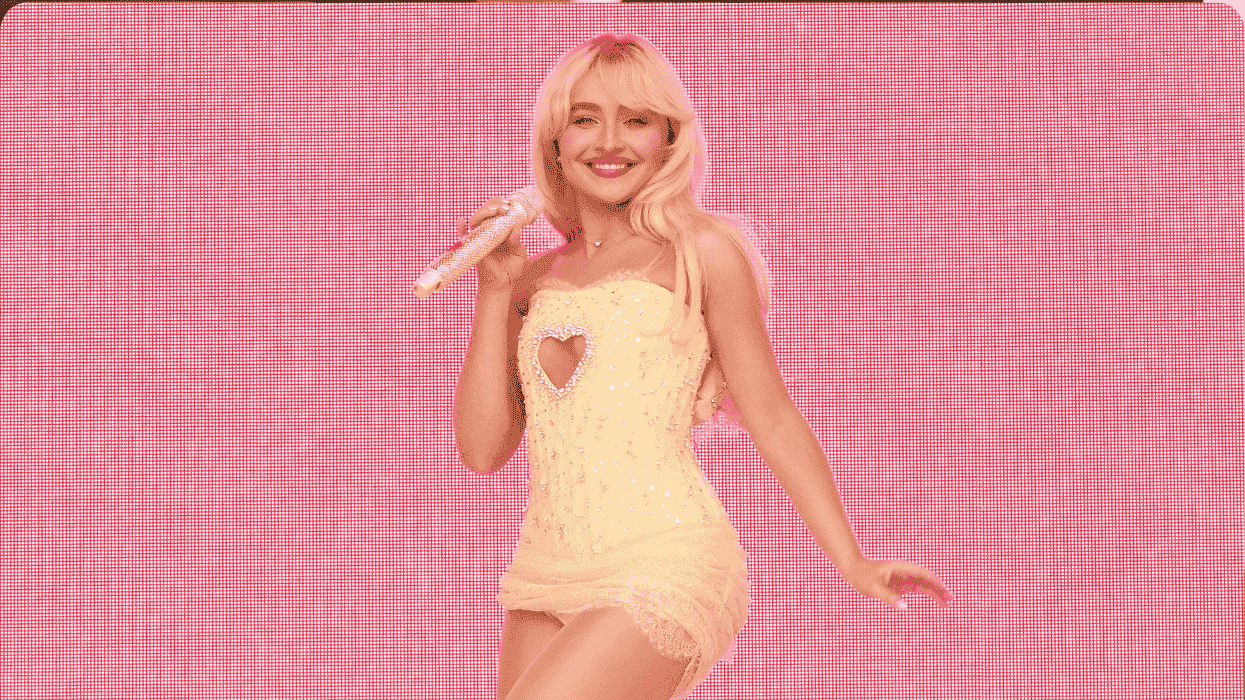
In 2024, this former Disney actress transformed into a global pop icon through her hyper-feminine, hypersexual image, marking the beginning of her artist persona. With Sun-kissed hair, sapphire eyes, and a glittering rhinestone bodysuit, she checks every box on the list for a golden-age, doll-like Hollywood blonde bombshell. It's giving Barbie, Marilyn Monroe, and Britney Spears. This echoes Judith Butler's notion of gender identity. She argues that gender is not an inherent category but a performed concept through "stylized repetition of acts." Sabrina Carpenter was not born to be feminine. Instead, she is regarded as hyper-feminine through her "girly" aesthetics.
Sabrina is performing femininity with playfully exaggerated, ironic lyrics. In "Taste", she stretches and exaggerates her body to look like her ex and his new girlfriend, which is physically impossible. She also banters her height with a signature Sabrina Carpenter sense of humor. Combined with her deliberately artificial doll-like aesthetics, her femininity is amplified to an excessive extent - too glittering, too perfect, and too girly.
She embraces camp at its core: artifice, exaggeration, and irony. And camp isn't just an aesthetics; it is inherently queer. Historically, it has been a queer survival tactic, a shared language among queer people to defy heteronormative norms and to celebrate their own identities with excess and humor. And Sabrina Carpenter speaks this language fluently.
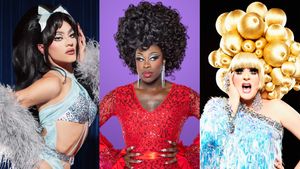
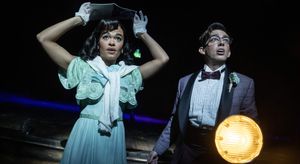
In the "Tears" music video, Sabrina Carpenter stumbled into an abandoned house. She discovered a dazzling adventure with a ballroom of drag queens. The visuals reference The Rocky Horror Picture Show, a "queerconic" camp classic, with Domingo's drag outfit inspired by Dr. Frank-N-Furter, a cross-dressing, gender-bending character in the show. Together with her absurdly ironic and erotic lyrics, she inhabits queerness, exaggerating, being ironic, and being theatrical in her pop girl persona.
Sabrina Carpenter is doing the exact opposite of queerbaiting because her relationship to queerness isn't opportunistic. Instead, it's deeply encoded in her performance of femininity. Admittedly, she is still presenting as a conventionally attractive, blonde, straight white woman: the identity in which queer people are punished when they don't fit. But she brings the queerness into the broader stage in this position.
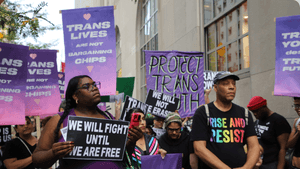
And it even matters more because we are living in an era when politicians are trying to overturn same-sex marriage, when drag queen performances are being banned, when transgender people are losing the most basic healthcare rights, and the list could go on. But Sabrina Carpenter refuses to play it safe by regressing to the doll-like blonde girl image. Instead, she doubles down, queering her image by camping it, and thriving in this era.
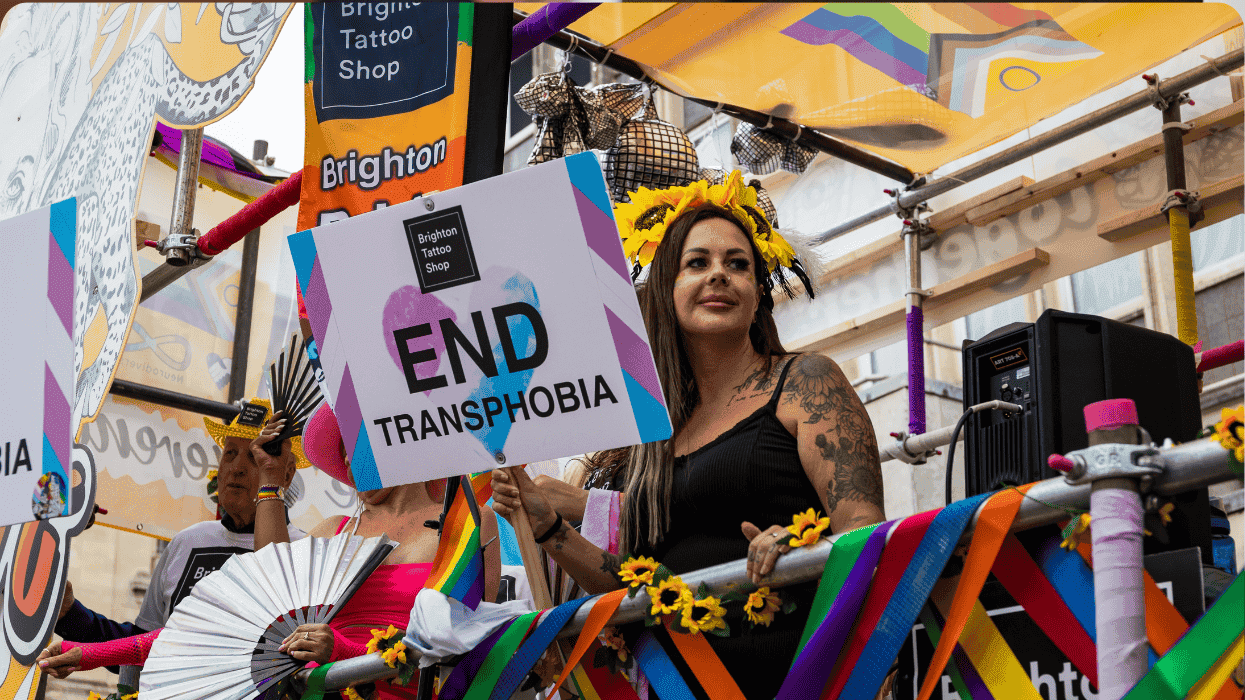
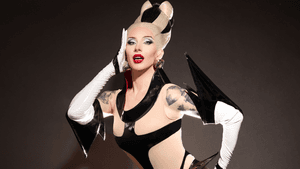
She makes it explicit by showing drag queens, trans rights signs, and glamours in her VMAs performance. She speaks with her actions by raising funds for the Transgender Law Center. As she wrapped up her Short n' Sweet tour, a cultural moment of the year, she didn't stop there. She moved beyond the queerness to something even larger - an oppositional power against the institutions and ideologies that oppress queer people in the first place.
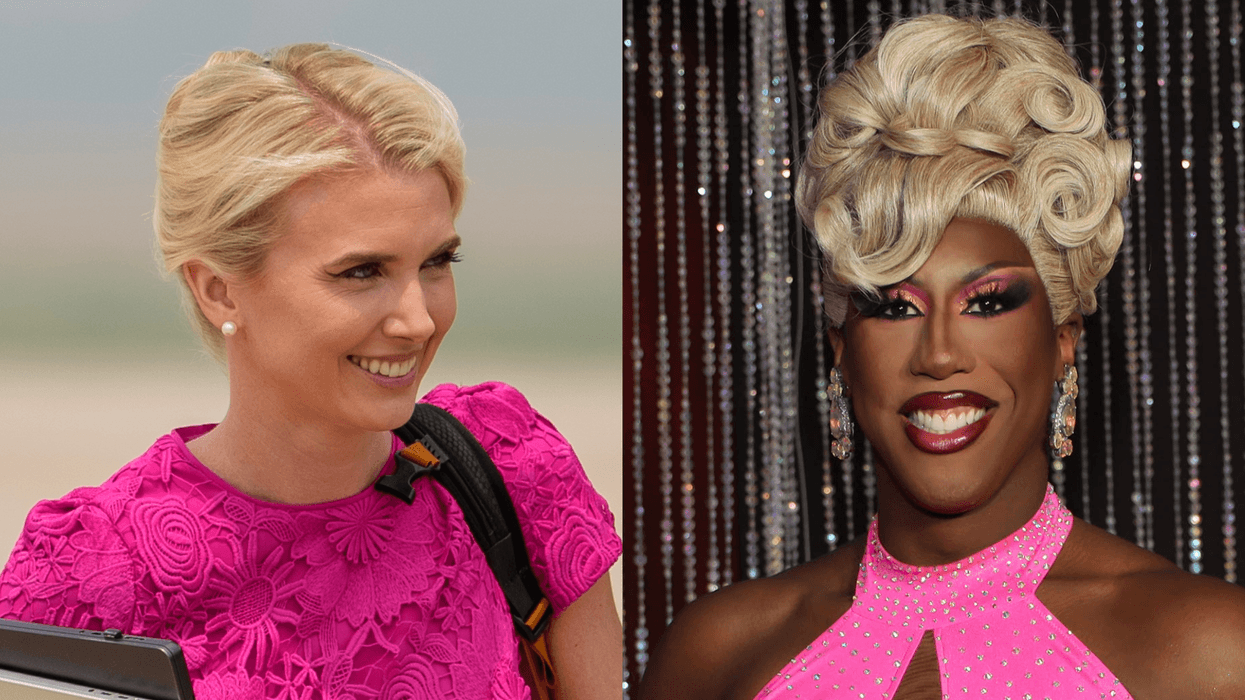
When ICE used her "Juno" as background music in one of their propaganda videos, Sabrina Carpenter publicly condemned the post, calling it "Evil and Disgusting." Even after White House Deputy Press Secretary Abigail Jackson hit back, the post was deleted quietly. Not only does she inhabit the aesthetics of queer camp, but she also refuses to let her expressions be appropriated by ideologies that harm the community she aligns with.
And this is the ultimate answer to her pop girl persona.
In an era when queer people are forced to be invisible, visibility matters. In an era when authenticity is smothered, artifice speaks. Sabrina Carpenter may look short and sweet, but her artistic persona is the sharpest tool that makes queerness unapologetically loud and clear.
Gavin Xue is a student studying Financial Economics at Columbia University with deep roots and active involvement in the LGBTQ+ community.
Perspectives is dedicated to featuring a wide range of inspiring personal stories and impactful opinions from the LGBTQ+ community and its allies. Visit Pride.com/submit to learn more about submission guidelines. We welcome your thoughts and feedback on any of our stories. Email us at voices@equalpride.com. Views expressed in Perspectives stories are those of the guest writers, columnists, and editors, and do not directly represent the views of Pride or our parent company, equalpride.