










Won't you be my gay-bor?
shutterstock
It's a beautiful day in these gayborhoods!
Go to any major metropolitan area in the United States and you're likely to find a "gayborhood" — an enclave of LGBTQ+ residents and businesses that group together for both safety and support. Most of these neighborhoods have been around as long as the cities they reside in, and play a pivotal role in their history and culture.
Like all communities, many gayborhoods took a hit in 2020 due to the COVID-19 pandemic, and now face an increasing cost of living crisis that keeps residents and small businesses away. But they're not letting anyone drive them out — instead, they're waiting with open arms for their next visitor or their new neighbor.
Queer people have always found each other, so if you're looking to connect with your community on your next vacation, here are some thriving, historic gayborhoods you should consider visiting.
Greenwich Village, New York
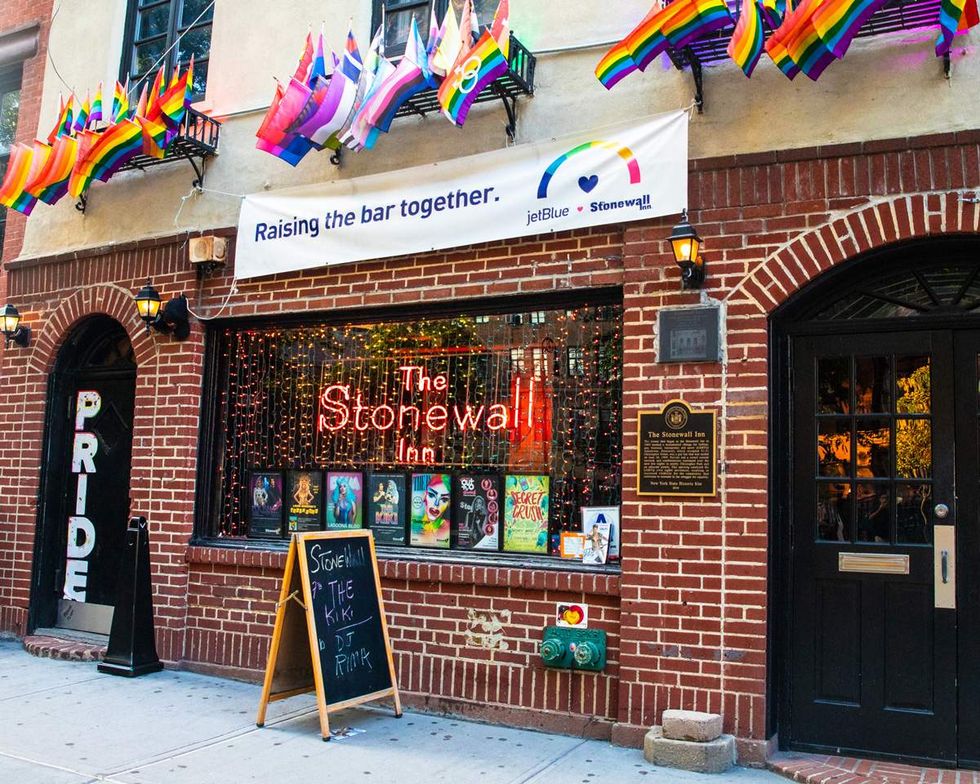
The Stonewall Inn in Greenwich Village, NYC
Little Vignettes Photo/Shutterstock
Greenwich Village, also known as the West Village or by its popular Christopher Street, is home to historic queer bars such as the Duplex and the Stonewall Inn, as well as the first National Park monument to acknowledge the fight for LGBTQ+ rights in the U.S.
The neighborhood was the site of the 1969 Stonewall Riots — protests in response to police raids of gay bars — which are widely credited as sparking the modern-day LGBTQ+ rights movement. The National Park Service under Donald Trump has since removed the "T" from the "LGBTQ+" acronym, as well as any references to trans people from the official Stonewall National Monument website.
Greenwich Village is still a community that refuses to go quietly, from protesting the Trump administration to hosting New York City's annual Pride celebration in June, and its annual Halloween parade in October.
Northalsted (formerly Boystown), Chicago
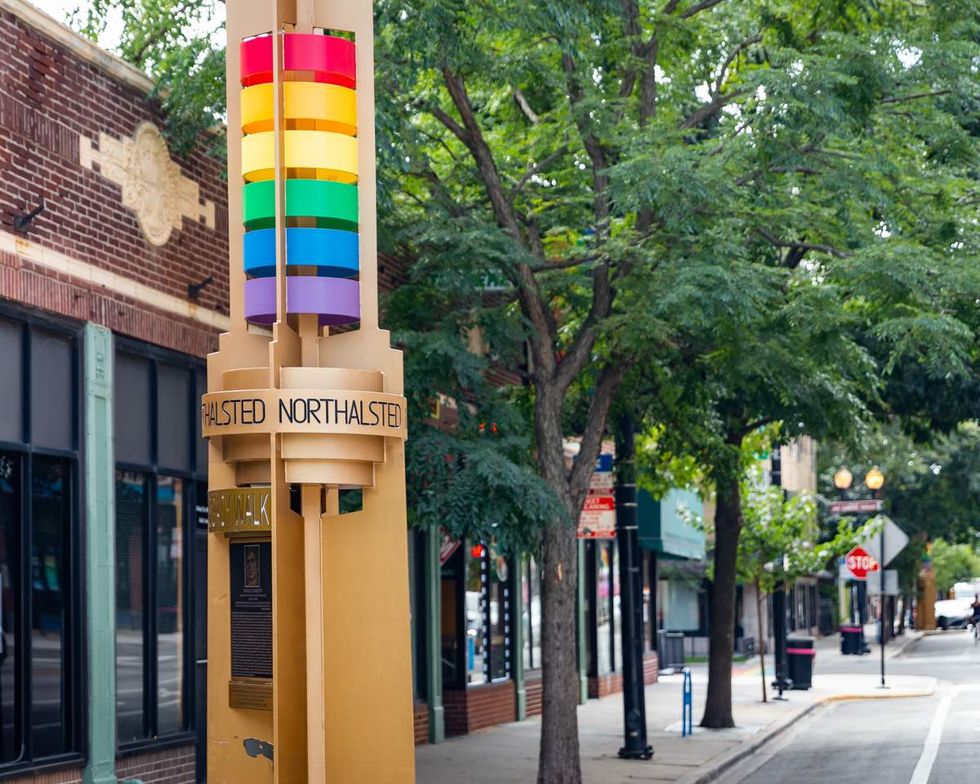
Chicago's Northalsted neighborhood, aka Boystown
Joseph Hendrickson/Shutterstock
Northalsted, formerly know as Boystown, is not only the most popular gayborhood in Chicago, but is also one of the most famous in the U.S. The North Halsted area is home to many bars and other businesses serving the LGBTQ+ community, as well as nonprofits including the Center on Halsted, Chicago's LGBTQ+ community center. The center hosts a popular street festival, Northalsted Market Days, and is on the city's annual Pride parade route.
The area had been informally known as Boystown since the 1970s, but was officially named as such in 1997 when Richard M. Daley, then Chicago's mayor, issued a proclamation. The Northalsted Business Alliance, the chamber of commerce for the neighborhood, announced the new name in 2020 after conducting a survey that found many felt the old gendered name was exclusionary.
Hillcrest, San Diego
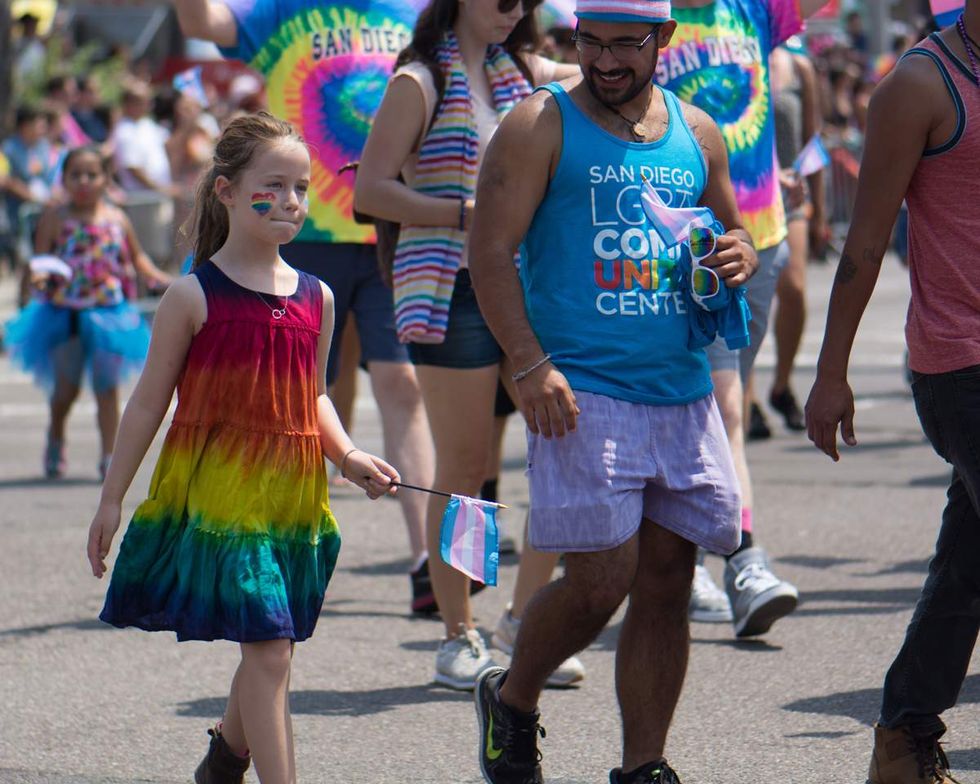
San Diego Pride Parade
Jilll Richardson/Shutterstock
Hillcrest in San Diego, California is home to numerous LGBTQ+ bars and is the site of the city's annual Pride parade. University Avenue is known for its diverse selection of restaurants and cafes, and Fifth Avenue for its second-hand and vintage clothing stores.
Hillcrest solidified its gayborhood status in the early 1990s when LGBTQ+ advocates fought to make sure the heavily queer neighborhood didn't get split into different municipal districts during a city redistricting effort. That resulted in the 1993 City Council election of lesbian Christine Kehoe, the first out official in the city, and the district exclusively electing LGBTQ+ politicians for the next 20+ years.
Fruit Loop, Las Vegas
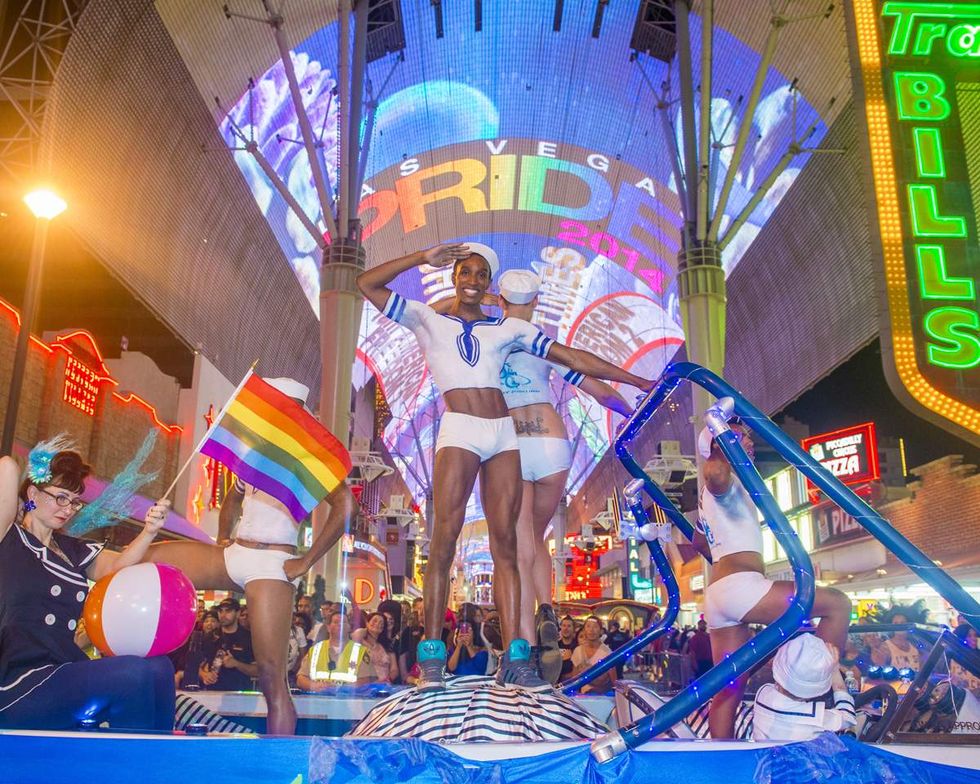
Las Vegas Pride Parade
Kobby Dagan/Shutterstock
The "Fruit Loop" in Las Vegas, Nevada earned its nickname from its string of LGBTQ+ clubs and restaurants in the Paradise neighborhood, which happen to form a loop shape. These spots include Piranha Nightclub QUADZ for those looking for a high-energy club atmosphere, and the Phoenix Bar & Louge for those seeking a more laid-back setting with pool and karaoke.
State Sen. Fabian Doñate introduced legislation earlier this year to declare the Fruit Loop a historic landmark, with the legislature approving the measure in June. Doñate celebrated in a post on Instagram, writing, "Since the 1950s, this vibrant corner of Las Vegas has been a home, a refuge, and a celebration of life and resilience. Today, we honor its legacy with the recognition it’s always deserved."
Asbury Park, New Jersey
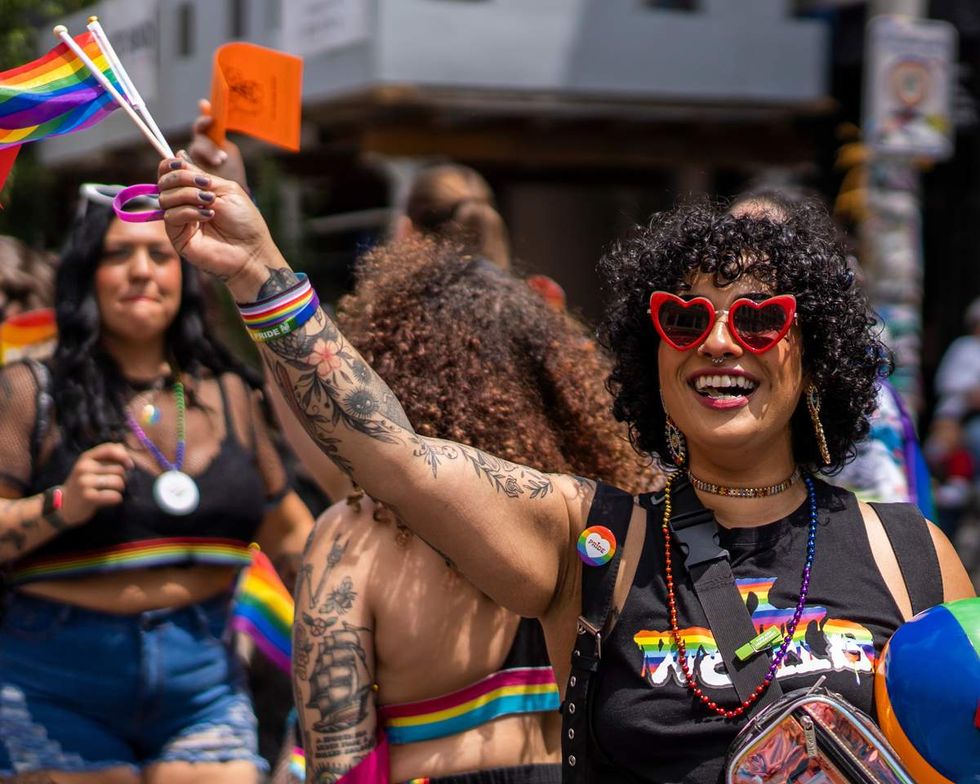
Asbury Park Annual Pride Parade
Madison Swart/Shutterstock
This seaside city isn't just known for its boardwalks and beaches — it's also home to various LGBTQ+ bars, gay-friendly beach resorts such as the Empress and Fagabond, and New Jersey's largest LGBTQ+ advocacy group, Garden State Equality. (It also happens to be the home of musicians Bruce Springsteen, Jon Bon Jovi, and Southside Johnny and the Asbury Jukes.)
The city's LGBTQ+ roots date all the way back to the 1930s, when poets Margaret Widdemer and Timothy Felter opened a gay-friendly tearoom. Despite police raids on LGBTQ+ establishments, the neighborhood continued to grow throughout the 1970s thanks to queer people from Greenwich Village moving to the area in escape of New York City's high costs. It was the site of the state's first LGBTQ+ Pride parade in 1992 after organizers were rejected by several other cities.
Provincetown, Massachusetts
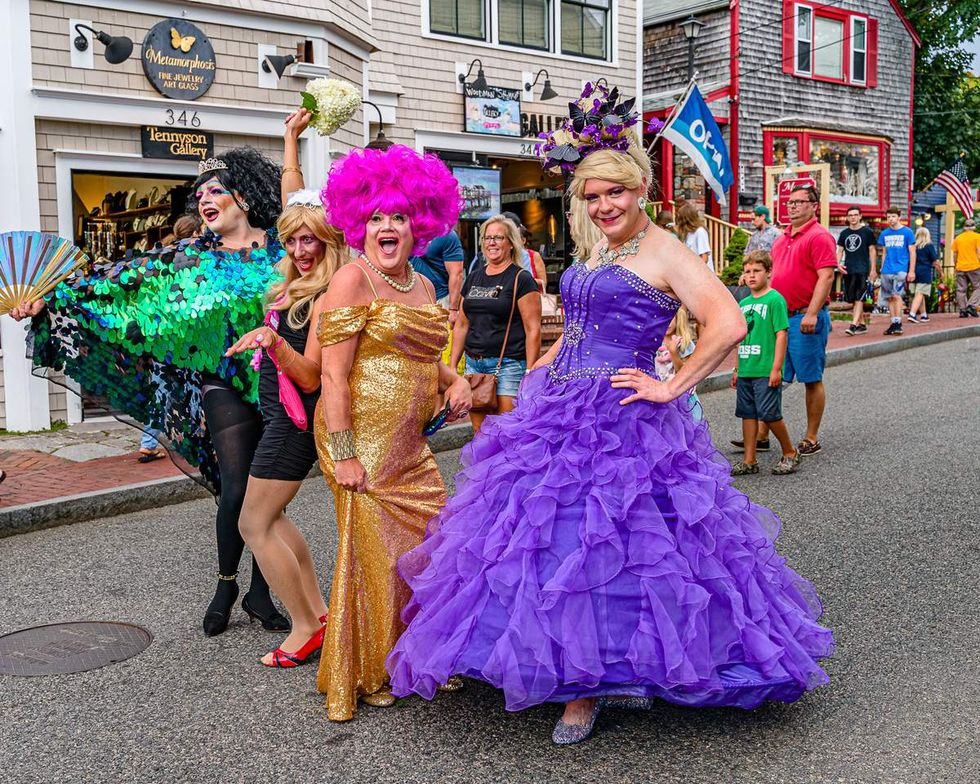
Provincetown's Carnival celebration
Vadim 777/Shutterstock
Provincetown, also known as "P-Town," is an ideal vacation spot from the warmer days of summer to the crisp nights of autumn, when its bright foliage is one of its main attractions. The Massachusetts haven is rife with historical attractions as well as natural beauty to behold, whether sailing on the water or hiking through the forest.
As artists' colonies developed in the area throughout the 1900s, experimental theater thrived. This led to drag performances in Provincetown as early as the 1940s, and a large gay population by the 1970s. The city began promoting LGBTQ+ tourism as early as 1978, which still plays a pivotal role in its economy today.