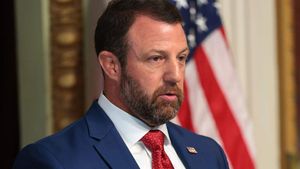
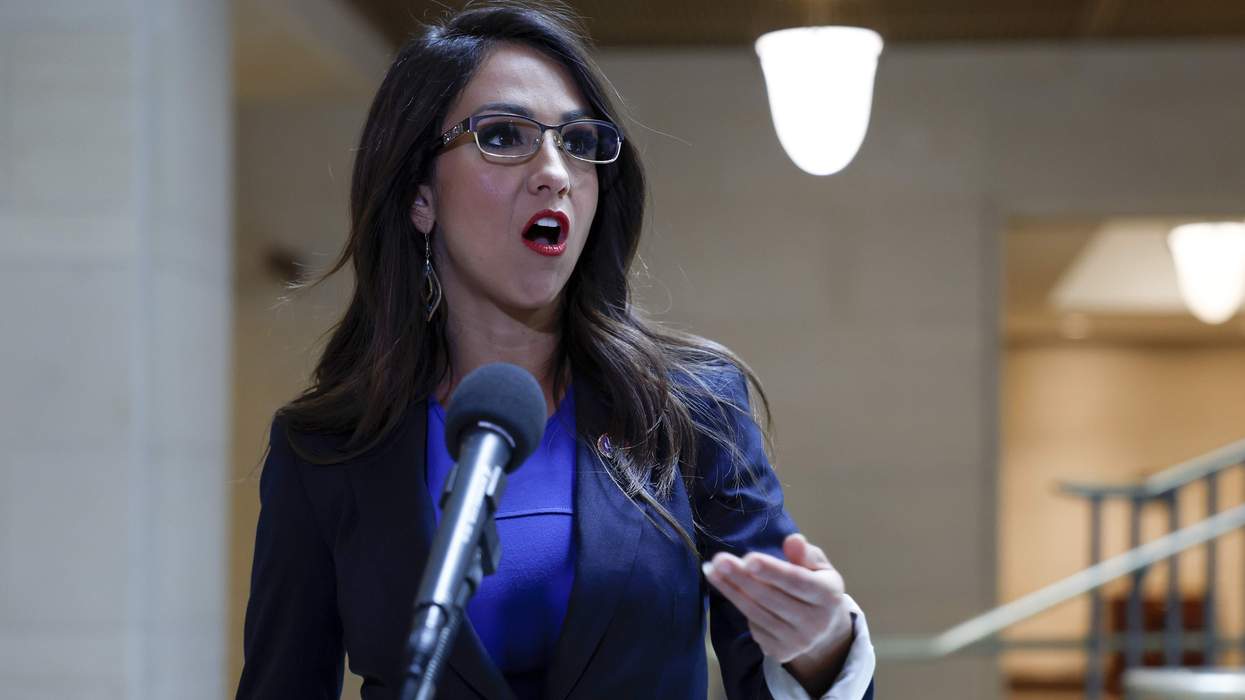
Rep. Lauren Boebert (R-CO) speaks to reporters after attending a briefing with U.S. Secret Service officials on the cocaine substance found at the White House on July 13, 2023 in Washington, DC. U.S.
The accusations came to light after a complaint was filed with the House Committee on Ethics on September 17, which included three staffers she oversaw, one of whom Boebert allegedly paid $200,000 in hush money in an attempt to keep the relationship secret.
The sworn ethics complaint, filed by David Wheeler of the political action committee American Muckrakers, identified three current staffers —former district director Clarice Navarro Ratzlaff, district chief of staff Raven Finegan, and former chief of staff Jeffrey Small — Boebert allegedly had sexual relationships with, according to reporting from theColorado Times Reporter.
Boebert released a video responding to the allegations on September 20, calling the complaint “sloppy, desperate, obsessive hack stamps under oath on a fake filing,” and a “scam.”
“This is more filthy garbage that reaches beyond me. This reaches into the homes of people who have dedicated years of service to Coloradans alongside me,” Boebert said. “I know that you’re more than willing to attack me and shame my household, but this is different, and you crossed a line.”
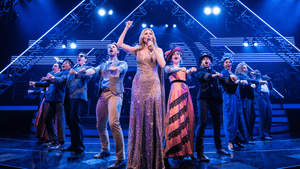
Boebert, who previously went viral for fondling her companion’s genitals during a showing of the family-friendly Beetlejuice musical, seems aware of the avalanche of social media reactions these allegations caused, adding, “I hate to spoil the fan fiction, but y’all needed to do better. To the rest of y’all, no, I’m not hiring.”
The Colorado Republican denied the allegations, calling them “utterly false” and a “politically motivated stunt” in a statement released to multiple media outlets and also sent a statement to the political blog Sources Say News, denying that she’s part of the LGBTQ+ community. “Well, I’m not a lesbian or bisexual, and I have never, ever been in any inappropriate relationship, nor have I ever been sexually involved with any staff.”
Wheeler, who also published allegations in 2022, claiming Boebert worked as an escort on a sugar-daddy website and had multiple abortions, is not backing down from the complaint he filed with the House Committee on Ethics against Boebert.
"This chapter in Boebert's life is the culmination of a history of criminal activity by her and her family, deception of voters and constituents, and a pattern of sexual depravity,” Wheeler said in a statement set to Newsweek. “Boebert truly believes she is not accountable for her actions, nor do the laws apply to her.”
The newest claim that the “family values” Republican not only had sexual relationships with staffers, but did so with two different women, sparked a firestorm of memes across social media, making jokes about her being a “bisexual, hush-money-paying hypocrite,” and pointing out that bisexuals don’t need this kind of “reputational damage.”
Most of the jokes stem from Boebert’s the hypocrisy of alleging having sex with women considering the far-right Republican’s long history of anti-LGBTQ+ stances, including claiming the mere existence of drag queens and transgender people “sexualizes” spaces, opposes the Equality Act, and co-sponsored legislation aimed at restricting healthcare for transgender youth.
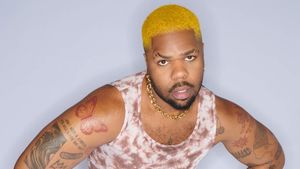
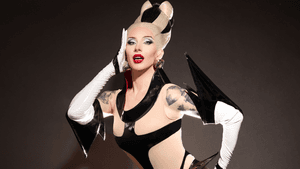
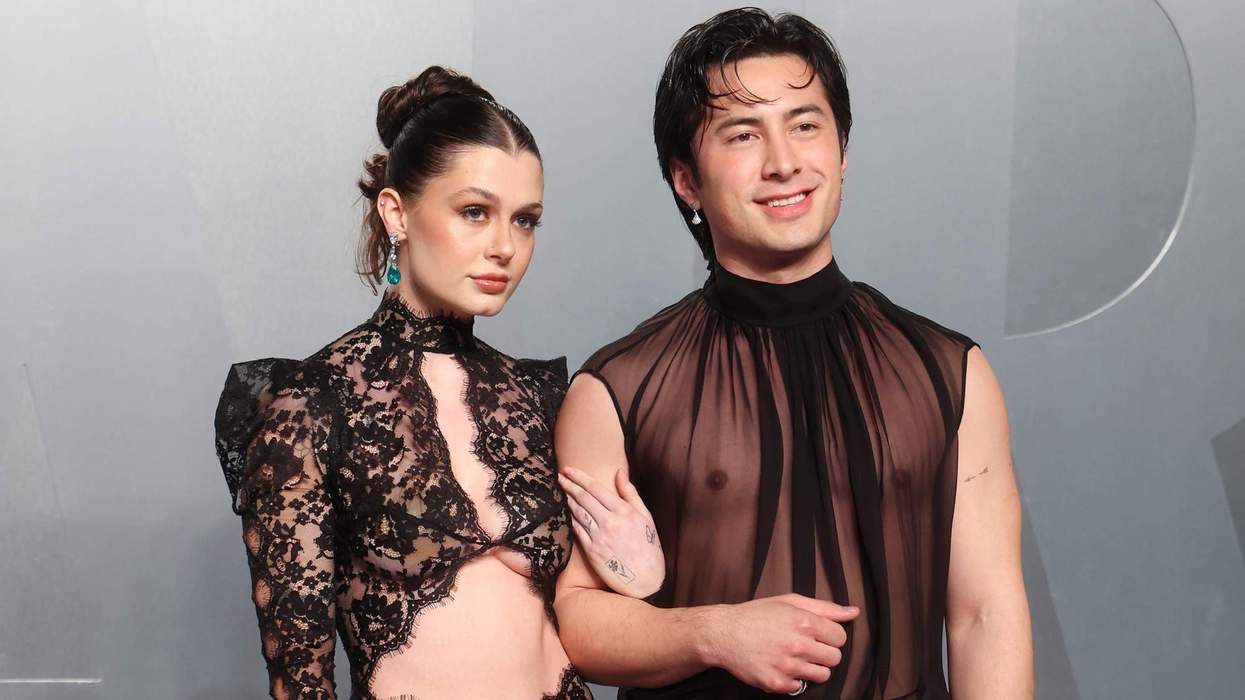
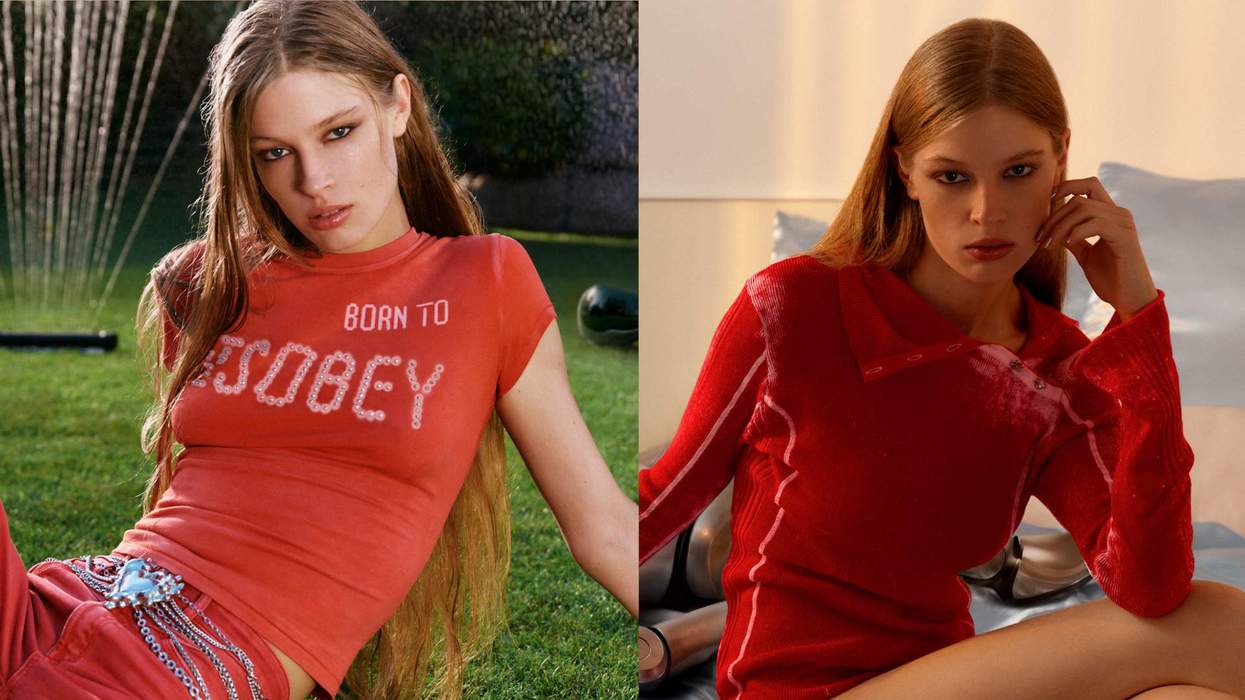
Vivian Jenna Wilson knows what's at stake for the LGBTQ+ community. With the fast-approaching midterms, the famous transgender model is using her platform to showcase her unapologetic queerness at a pivotal moment in history.
Wilson has teamed up with Desigual on their empowering new campaign, Born to Disobey, which encourages queer people to claim their freedom and question society's traditional rules. In the viral campaign photos, she even takes a stand against the rise of AI and technology by playfully mocking a robot.
"It was such a great time participating in this campaign. The title is very charming and somewhat of an oxymoron, but systems are not fought with campaigns. They are fought with protests, activists, and societal political movements demanding sweeping changes. The midterms are coming up and we are being employed as the scapegoat to make people forget about the economy, the Iran war, and the Epstein files," Wilson tells Out.
As LGBTQ+ equality remains a hot-button topic in today's hostile political climate, Wilson is reminding her queer peers to fight back and make their voices heard at the polls this November.
"The importance of queer people building community and support networks in this time cannot be understated. With the government attempting to ban gender affirming care for trans people through an already broken and corrupt healthcare system, the repealment of anti-discrimination laws, and the demonization of queer people, we need to be there for each other right now."
Wilson understands that the LGBTQ+ community has fought for basic rights for decades, but she argues now is not the time for complacency when a potential blue wave could spark crucial progress.
"Look forward to conservatives shouting incessantly about us like kids whose ball went over the fence. Unfortunately, because they are completely incompetent, they have decided to try and distract everyone with how ookity-spookity trans people are."
While the transgender model is proactively creating opportunities and safe spaces for her chosen family, Wilson also reminds everyone to lean on one another through every major milestone. She also hopes to see every queer person expressing themselves as freely as they'd like.
"Many of us, including myself, end up having most of our typical teenage experiences in early adulthood. I think there's a specific beauty in that. Fashion has helped me figure out who I am, and made me more confident in my aesthetic and how I'm facing the world. To be honest, the people I met in fashion have likely had more of an impact on me than fashion itself. You are not alone. Find queer community however you can will always be my advice. Just be careful, safety should always be your priority."
JEFF KOWALSKY / AFP via Getty Images / Abdul El-Sayed YouTube
The campaign trail is heating up!
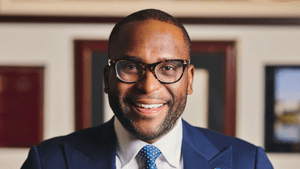
Dr. Abdul El-Sayed is the Democratic nominee making waves as he advocates for equal rights and liberal policies in his quest to represent Michigan in the U.S. Senate.
The progressive politician, who recently bested moderate Rep. Haley Stevens in the state’s Democratic primary, made headlines again this week after his appearance on Fox News in an interview with conservative host Jesse Watters. As Watters tried to turn the conversation toward transgender children’s bodies, El-Sayed effortlessly shut him down in a viral moment.
"Do you really want to have this conversation?" El-Sayed asked. "Are you circumcised?"
After initially answering yes to the question, Watters replied, "That’s a personal question, doctor."
Without any hesitation, the doctor and former public health official quipped, "So you probably should want to move on."
Democrats are praising El-Sayed's argument and ability to flawlessly outsmart Watters' hateful transphobic rhetoric. As a result, many supporters are flocking to his social media and enjoying his popular workout videos.
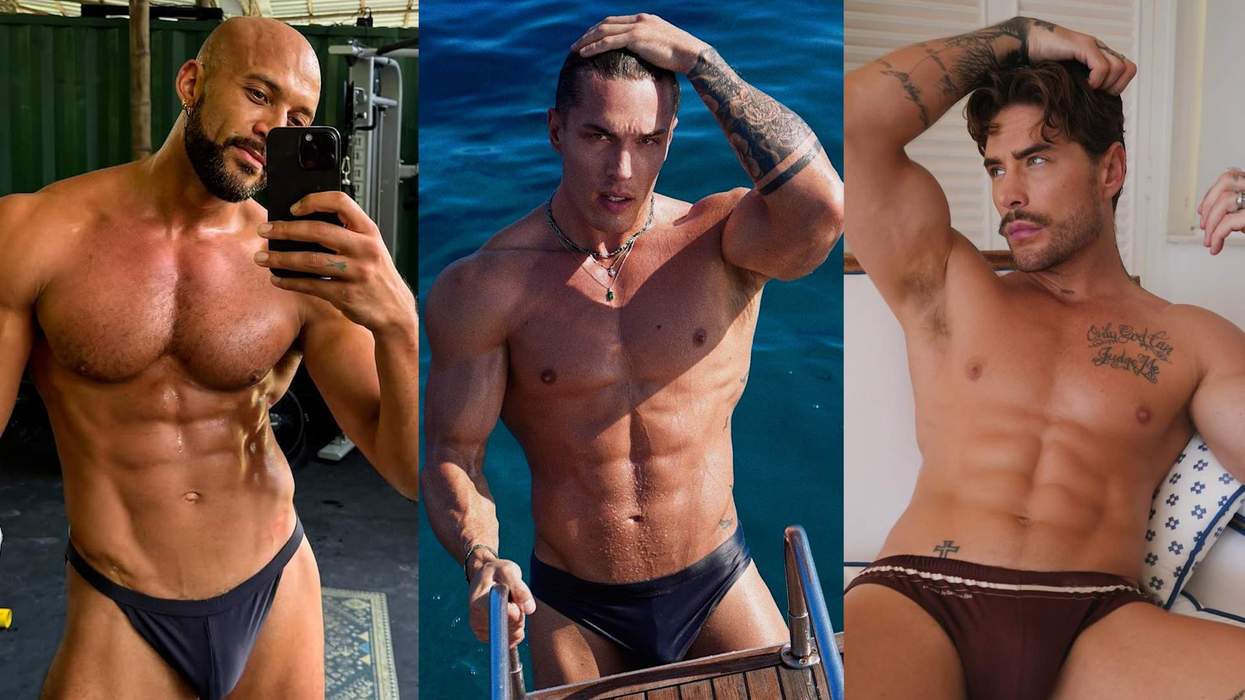
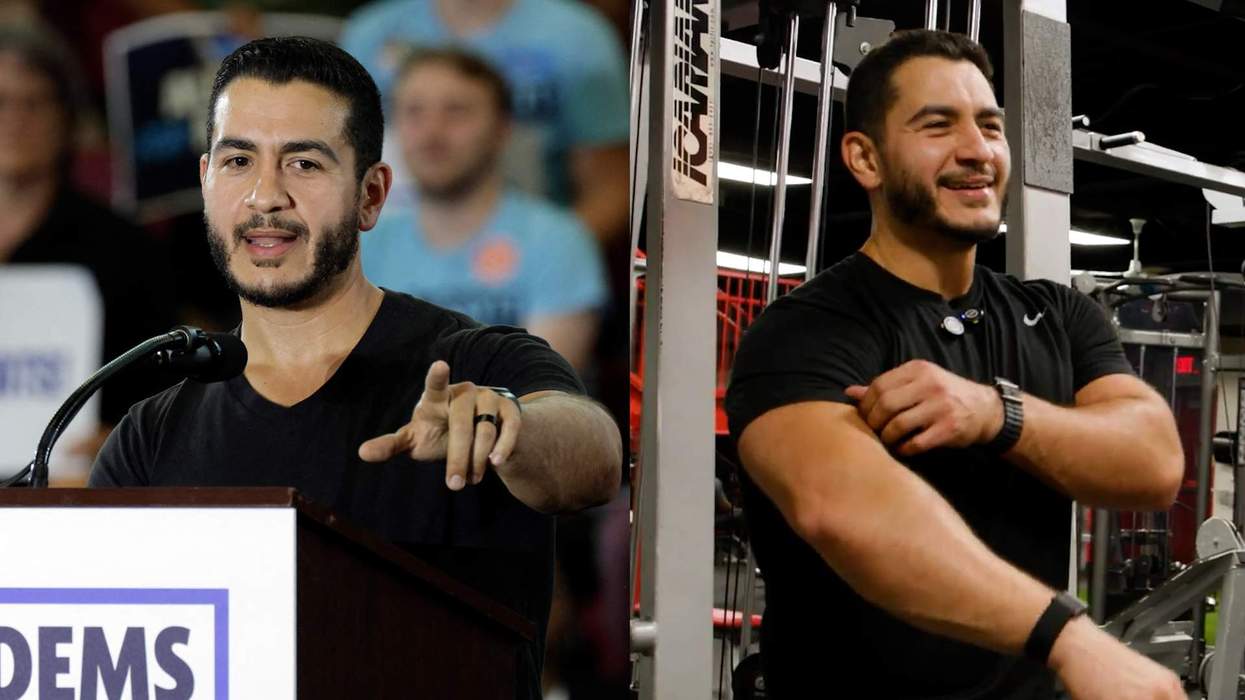
El-Sayed uses the gym as a major source of motivation for physical and mental health. In a few of his videos, the politician shows off his workout routine and even cheekily shows some skin while flexing his muscles.
In the YouTube video above, El-Sayed teams up with popular streamer Hasan Piker as the two hit the gym together and bond over their intense regimens.
It’s no easy task keeping up a perfect physique while on the campaign trail during an election year, but as a doctor, El-Sayed wants to serve a healthy example in the world of politics.
In a separate YouTube video, El-Sayed visits a popular Michigan gym called "Detroit Body Garage" and works out alongside Terra Castro. She serves as the founder, owner, and head coach of the fitness nonprofit.
Clearly, El-Sayed also has a strong team behind him as they had no problem holstering the doctor in the air as part of Zara Larsson’s popular “Midnight Sun Challenge” on TikTok.
The aspiring senator is wisely using all aspects of his platform to connect with a vast range of potential supporters as the mid-term elections quickly approach. Will he be part of a blue wave in November? Let’s see.
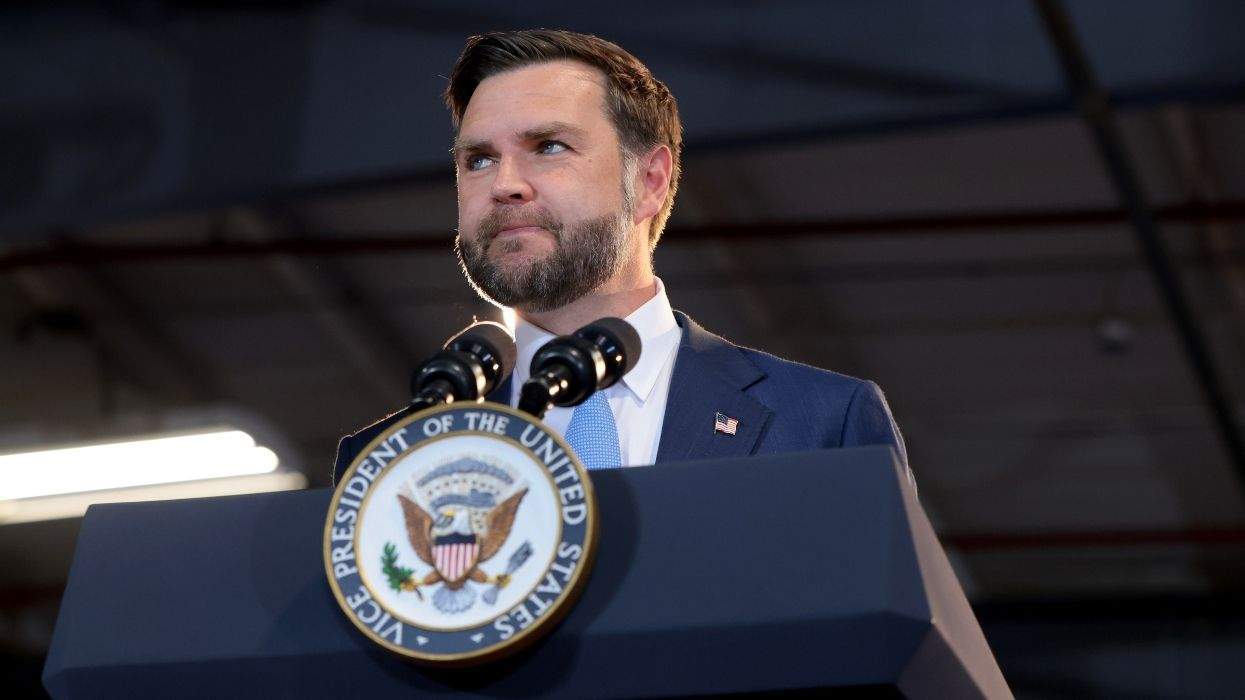
Vice President JD Vance arrived at a Maine defense contractor plant Monday to sell the Trump administration’s vision for American manufacturing. He began by commenting on another man’s face.
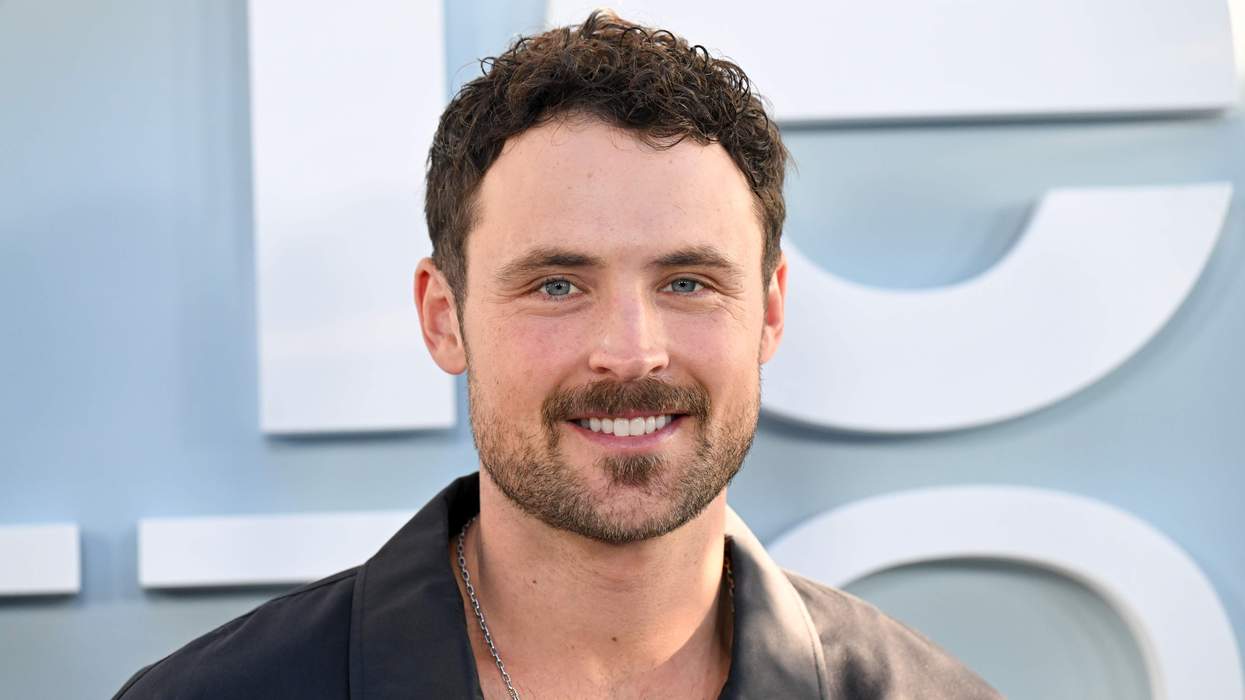
“Now, they didn’t tell me that Jamie was a good-looking guy with a beard,” Vance said while recognizing Jamie Beers, a maintenance manager at Compotech in Brewer. “Jamie, I hate good-looking guys with beards because they make me feel jealous.”
The bearded vice president quickly moved from Beers’ appearance to his life story.
“But I gotta say, Jamie is an amazing human being,” Vance continued. “He’s a maintenance manager here who worked his way through high school to learn his trade so he could take care of his three daughters.”
It was a throwaway joke. But it fit neatly within an administration that has made male bodies — their weight, hormones, hair and physical power — a recurring subject of politics and policy.
Vance’s own appearance has changed alongside his politics. He was heavier and clean-shaven when he became famous in 2016 as the author of Hillbilly Elegy and a prominent Republican critic of Donald Trump. By the time he ran for Senate in 2022, Vance had become one of Trump’s most aggressive defenders and had grown the full beard he still wears.
One of Vance’s former Yale Law School friends told the Washington Post in 2024 that the new look projected “a kind of severe masculinism.” A master barber interviewed by the newspaper called it a “maturity beard” and noted that facial hair can define and reshape a man’s face much like contouring makeup.
Vance also said in 2024 that he had lost 30 pounds in two years. He attributed the loss to running, gym workouts and eating less after he found himself winded while playing with his children.
The beard remained nonnegotiable even after Defense Secretary Pete Hegseth began imposing stricter grooming standards on the military. When Hegseth declared there would be “no more beardos” in the ranks, Vance endorsed the policy while exempting himself.
“When I was a young United States Marine, I did not have a beard,” Vance told reporters in October. “I am now the vice president, so I get to do what I want to do.”
The Advocate has reported extensively on the administration’s broader fixation with the male body. Hegseth recently launched a military-wide testosterone screening initiative promoted as part of a “High-T Department of War.” Service members age 30 and older must undergo annual testing, while those diagnosed with deficiencies may receive testosterone replacement therapy.
The administration has promoted hormones for presumed cisgender troops as an investment in strength, longevity and combat readiness while removing transgender service members and restricting their access to gender-affirming hormone care.
“This, by the way, is gender-affirming care,” Democratic Rep. Pramila Jayapal of Washington said when Hegseth announced the program.
Vermont Democratic Rep. Becca Balint offered a more political diagnosis. She told The Advocate in July that some administration officials display “weird, intense, homoerotic feelings towards men” while advancing anti-LGBTQ+ policies. Balint compared Hegseth’s cultivated “rugged macho man” persona to the exaggeratedly masculine figures drawn by gay erotic artist Tom of Finland.
Vance’s speech Monday eventually turned to manufacturing, trade and Maine’s November elections. He promoted former Maine Gov. Paul LePage’s congressional campaign, praised Republican Sen. Susan Collins and defended the administration’s trade war with Canada, which he said was a “state” before attributing the utterance to a “Freudian slip.”