



































Last night, Zosia dropped a bomb on Carol, and Carol acquired the bomb in response.
In the annals of dramatic lesbian breakups in popular media, this one will go down as the most, well, nuclear.
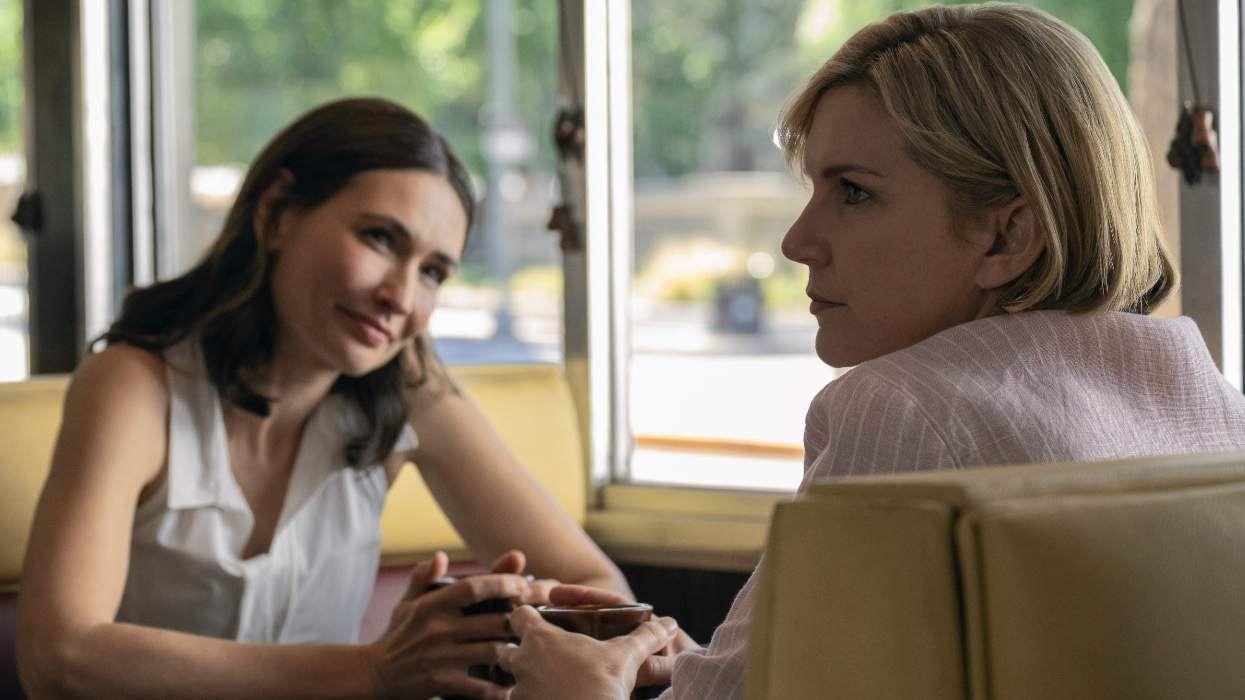
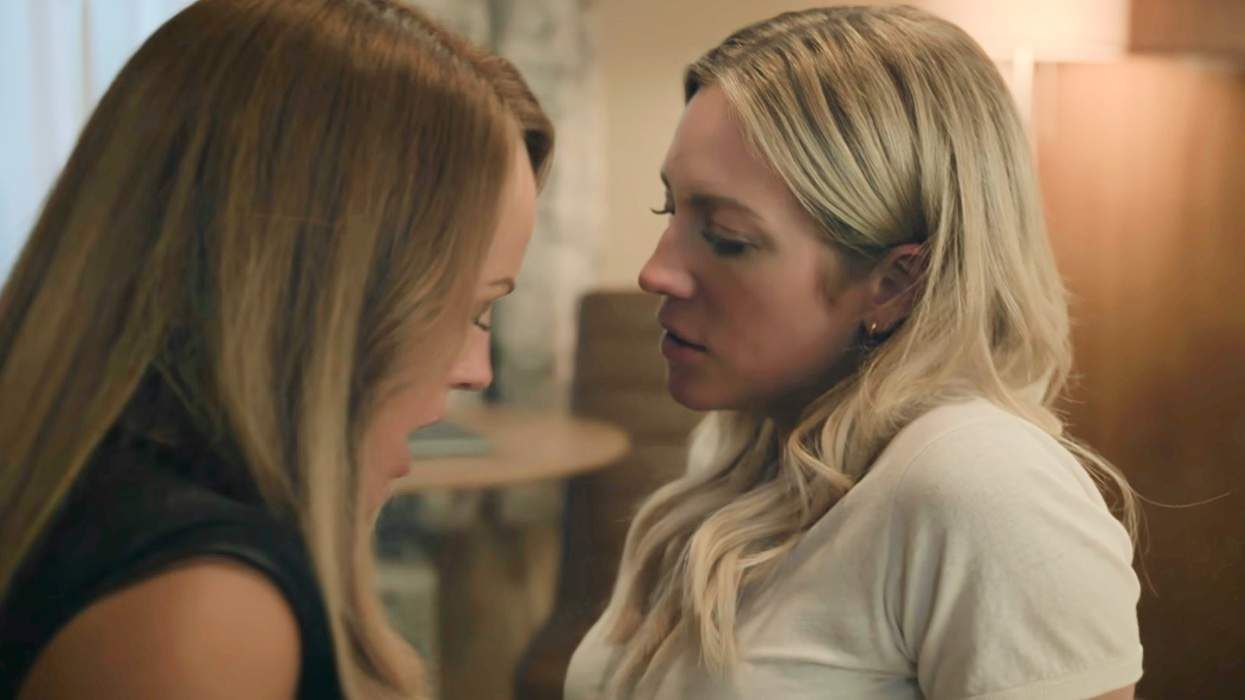
The season one finale of Pluribus both answered some questions and raised more for fans of the show who had been watching the relationship between Carol (Rhea Seehorn) and Zosia (Karolina Wydra) evolve over the last eight episodes. The first of which, “will they?”, was answered in episode seven when Zosia and Carol finally kissed and entered into a romantic relationship. Things went even further in the finale with Carol taking on the role of Zosia’s protector against Manousos, thus siding with the hive against a fellow individual. Carol rides off into the sunset with her, leaving him behind, relegated to the isolation that had nearly broken her—and presumably safely away from the woman she loves.
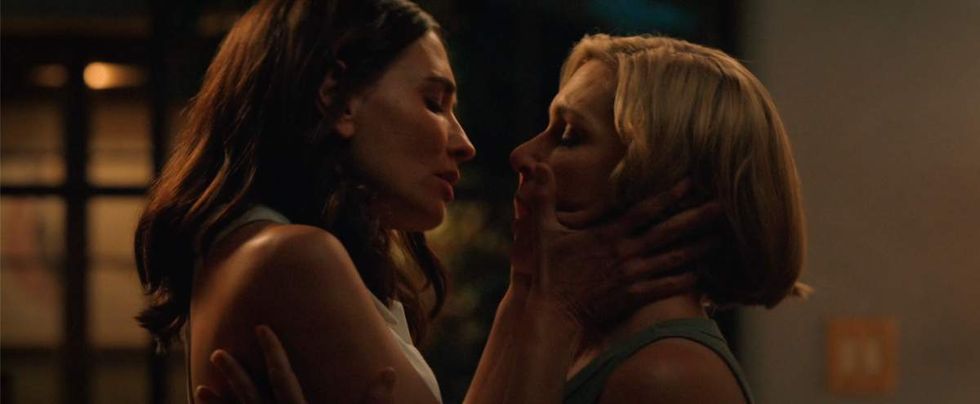
Karolina Wydra and Rhea Seehorn in 'Pluribus'
Apple TV+
But the bigger question remains: Is what Carol and Zosia are experiencing love? Is what we’ve been watching for eight weeks a love story... or something darker?
For Seehorn, the answer is “it's complicated,” in part because when Carol finally gives in to her attraction to Zosia, she is in a particularly vulnerable and broken place after having been left entirely alone for more than a month.
“In the moment that she gives into this relationship being romantic...there's this intense fear of the alternative. She's gone through this existential crisis of the isolation and the loneliness that not only went on for such a long time and took a mental toll on her, [but] she was also dealing with the fact that there was no end to that,” Seehorn tells PRIDE. “That's just how you're going to die. You're just going to die alone in your house, and good for you. You fought the fight, but now you're never speaking to anybody again.”
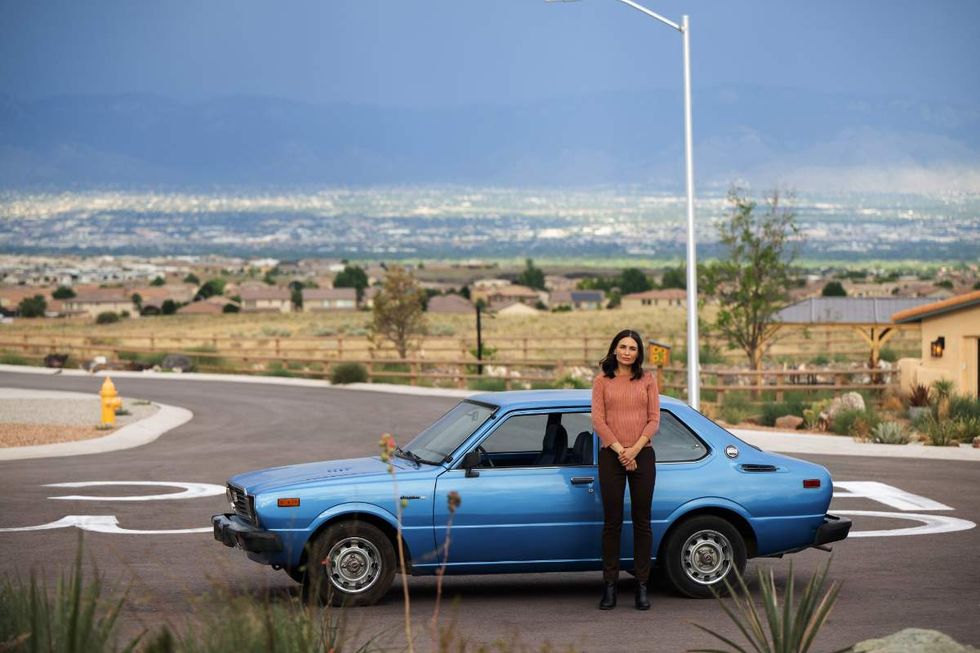
Karolina Wydra in 'Pluribus'
Apple TV+
Add to that the very real feelings Carol has for Zosia, in spite of her being a part of the hive, and this evolution becomes inevitable—but that doesn’t mean it’s not still fraught. “[Carol] has real feelings for this woman, and has an intellectual part of her that is like this is not a real person. These feelings can't be real, and Zosia's feelings can't be real for me if they love everybody the same, and she's really grappling with that.”
While Seehorn (and Carol, for that matter) are somewhat ambivalent, Wydra’s view is more straightforward. “It is a love story,” Wydra tells PRIDE. “The love that Zosia has for Carol is unconditional love, and everything that Zosia does for Carol is to make her happy, and everything she does is to make sure that Carol feels satisfied in whatever shape and form that is. So it's a love story in that way,” she continues, although Wydra still has her own questions about her character’s motives. “You wonder if she's manipulating [Carol] or is [being] genuine. I think it's genuine. She loves her absolutely. She loves her... they love her.”
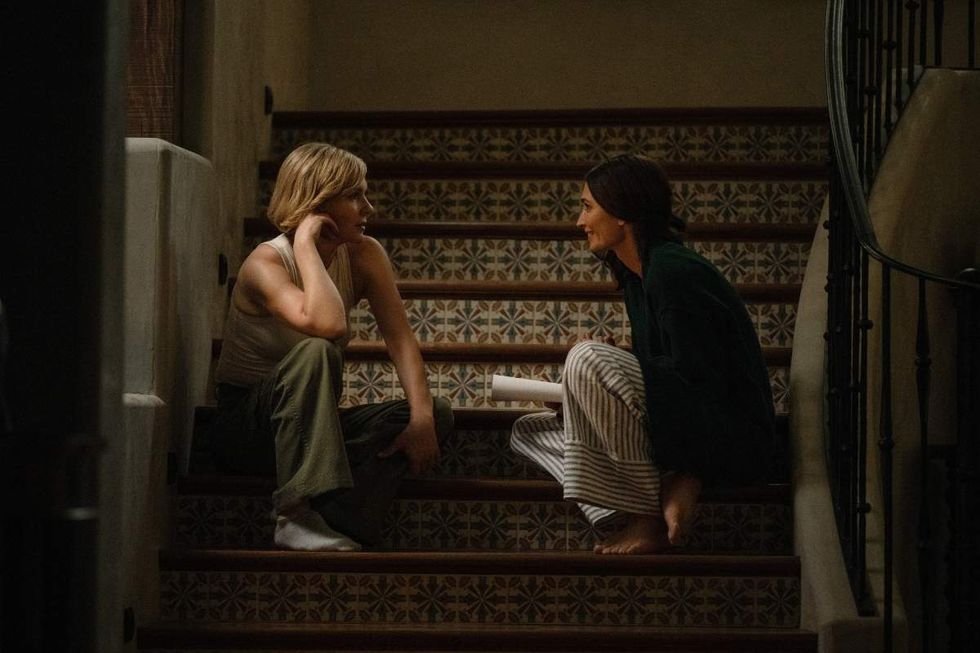
Karolina Wydra and Rhea Seehorn in 'Pluribus'
Apple TV+
Ultimately, much of the enjoyment—and perhaps the point—of the show is to ponder the philosophical questions this dynamic brings up; ones Seehorn finds herself parsing along with the rest of us, particularly following the reveal that the hive intends to change her, nonconsensually, with the stem cells from her frozen eggs. It’s a betrayal on an atomic level.
While the literal nuclear option may seem dramatic, Seehorn sees it as something the show has been building toward, and explains how it all connects to Carol has processing of her relationship with her late wife.
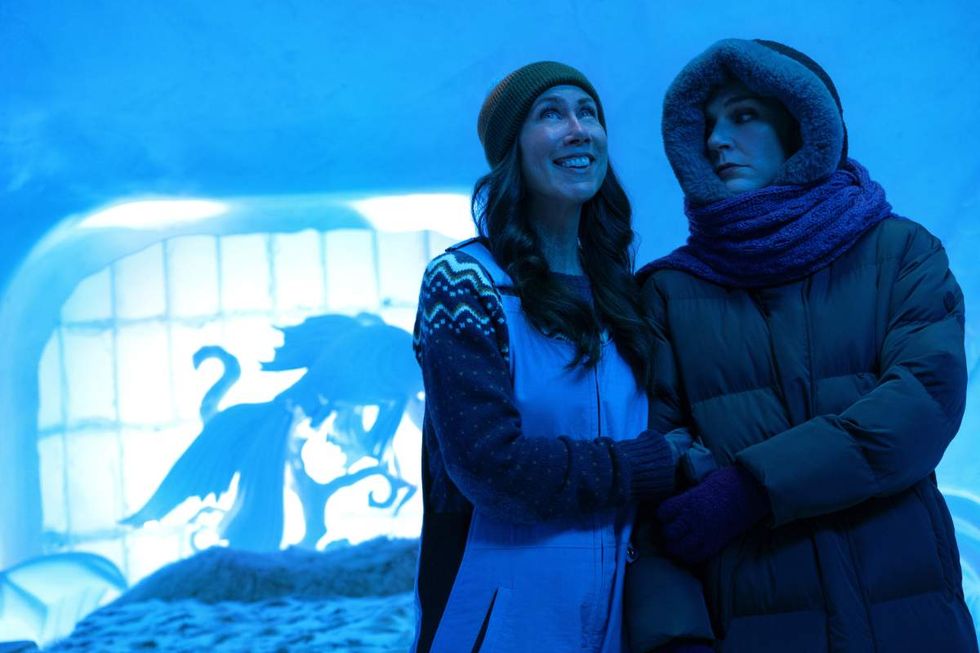
Miriam Shor and Rhea Seehorn in 'Pluribus'
Apple TV+
“Part of why she really abruptly pulls back and cuts it off with such a dramatic gesture [is that] she didn't let herself experience joy in the relationship she thought was completely sincere love, and that's the one she had with Helen, played by the brilliant Miriam Shor,” which she sees as actual, true, pure love—but still, she couldn’t stop fault-finding in that relationship. “So I do think there's a part of Carol in this evolution that's like, screw it.”
So when the betrayal comes, Carol is primed to react strongly. “We've all been there, right, where it's just like how stupid are you that you thought this person actually loves you? And she's also got this very real element of the clock just started ticking again of how much time she's got left before they're going to turn her,” Seehorn explains. “Carol's major flaw, but also her superpower sometimes, is that she is very impulsive, and she’s got a lot of built-up rage, and she's like, I'm out!”
“But we do see when she gets out of the helicopter, it is at a cost. Because I do think Carol let her heart really go there in that relationship,” says Seehorn
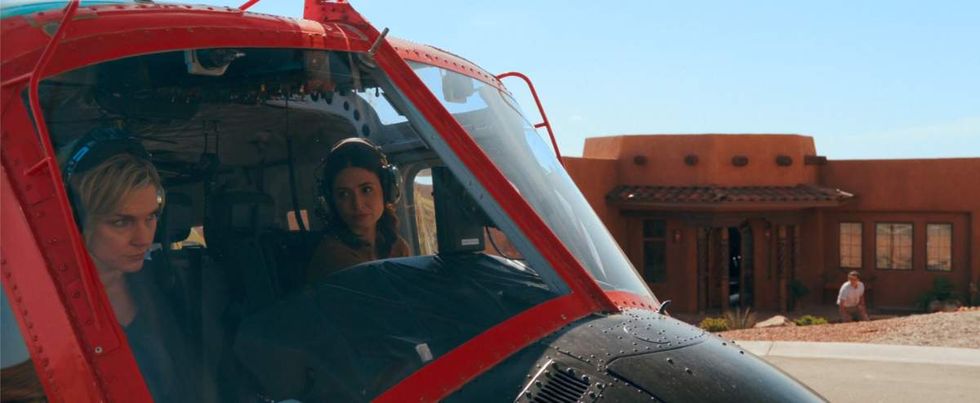
Karolina Wydra and Rhea Seehorn in 'Pluribus'
Apple TV+
But what does this mean for Carol and Zosia next season (which has already been greenlit)? The answer to that may lie in the shifting dynamic with the addition of Manousos (Carlos-Manuel Vesga) to the cul-de-sac. Carol is no longer “alone,” even when the hive was to give her another timeout. There could be resolve in that. She also has a new purpose: to prevent the hive from changing her against her will, and this show has already proposed that purpose is perhaps the most powerful thing someone can have in this world. Look no further than the difference between Carol’s state of mind as she sat alone, and yet dependent on the hive when they were ostracizing her, and yet had the world quite literally at her fingertips, vs. Manousos, who had nothing except purpose.

Carlos-Manuel Vesga in 'Pluribus'
Apple TV+
“So what does it say about happiness?” asks Vesga to PRIDE. “We have been taught that happiness is something that is outside of you, and you achieve happiness in the form of things outside of you that you can possess, but in truth, I truly believe that happiness is inside of you, and you find it inside of you.”
But can there be happiness without love? Maybe we’ll find out when Pluribus returns, but in the meantime, we’re still mentally in that ski chalet.






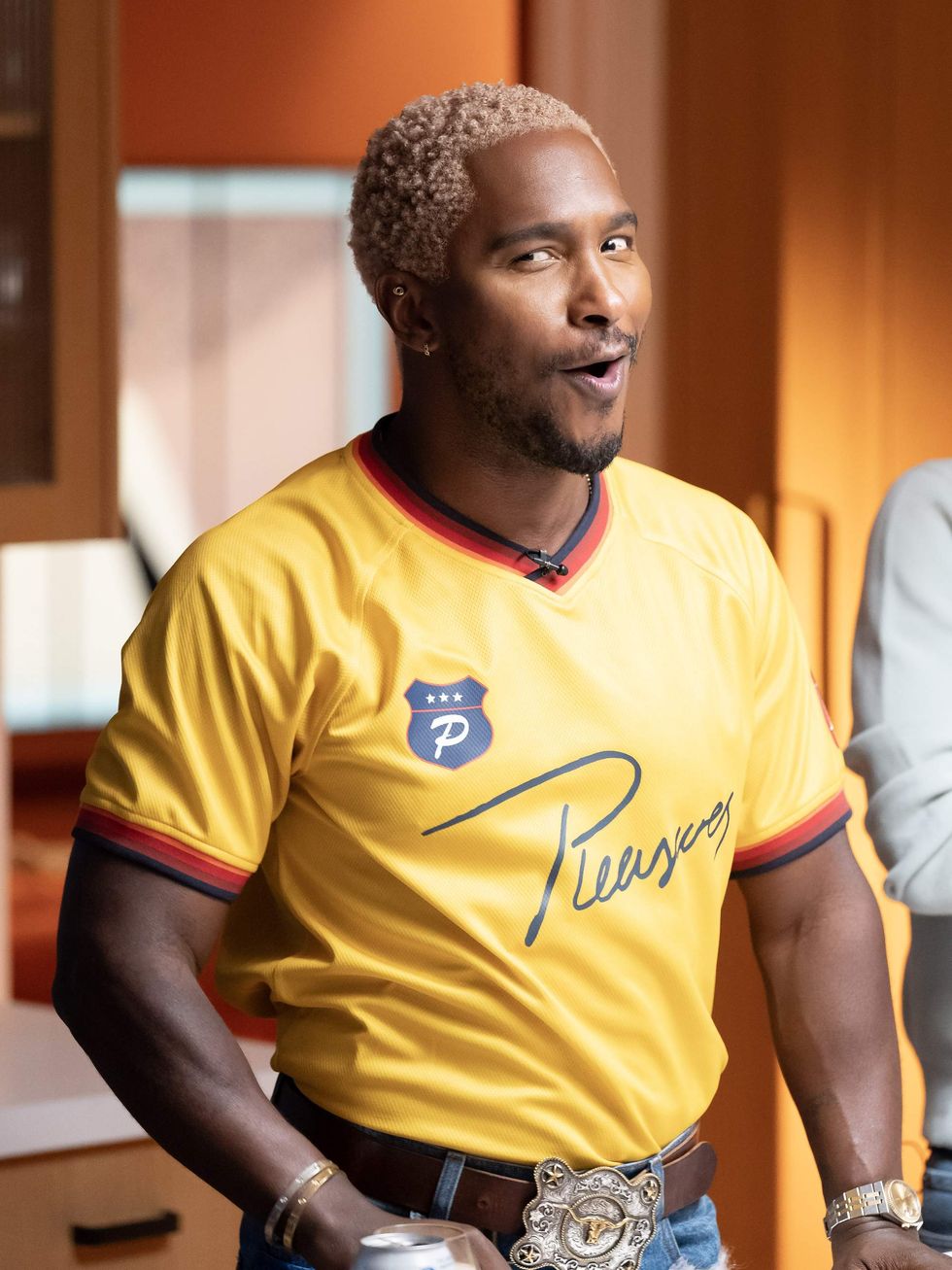 Scott Evans on the set of 'House Guest Game Night'Ryan “Scoobz” Handford
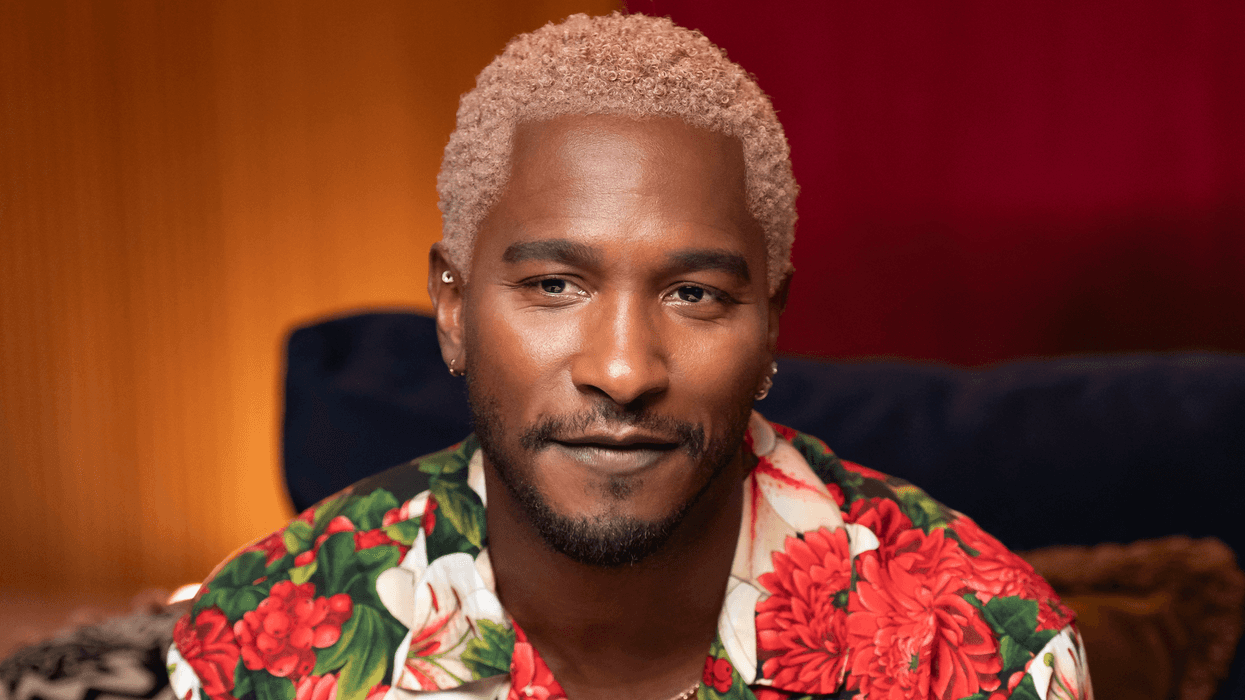
 Scott EvansRyan “Scoobz” Handford