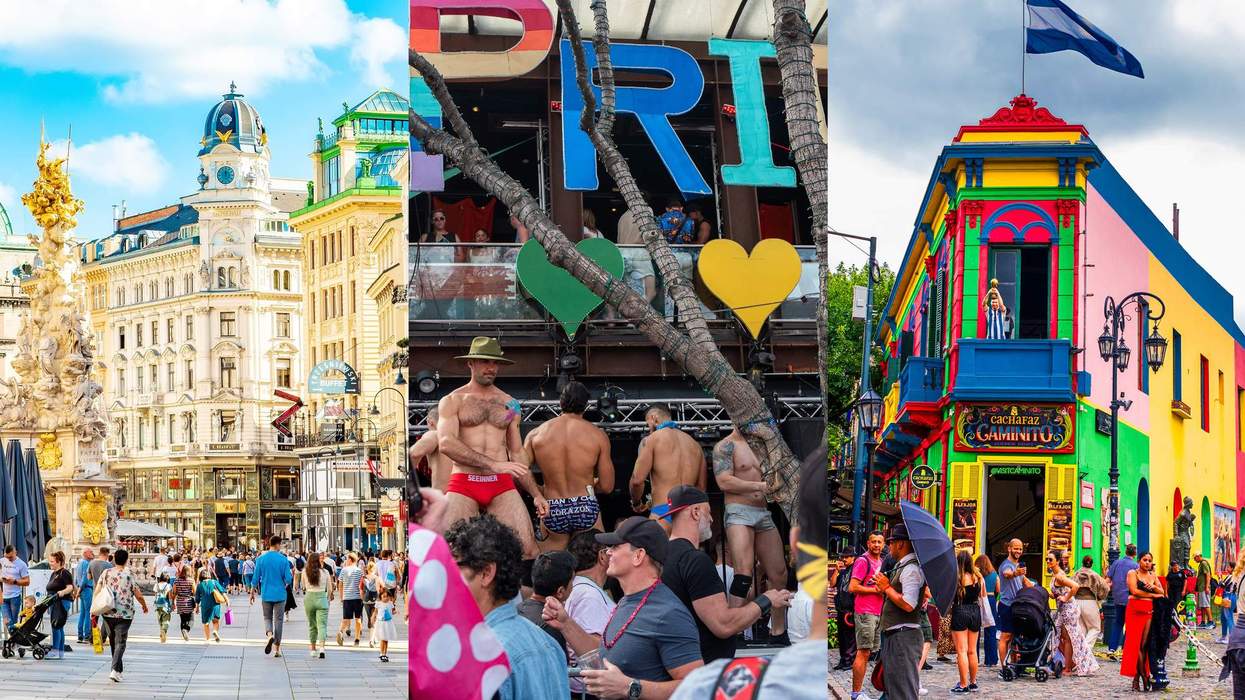
A new ranking of cities throughout the world by how sexually liberated they are has just been published.
The adult entertainment portal Erobella released its Sexually Liberal City Index for the fifth time, and the results are fascinating. The study scored 41 cities on “the freedom to live, love and express sexuality.” Cities all over the world were ranked across 10 categories, including contraception use, the number of sex shops, how the city fares on gender recognition, anti-discrimination, and abortion access, as well as queer-centric metrics like how many gay bars and LGBTQ+ events there are.
The United States and other countries the world over may be overwhelmed by conservative ideology and attacks on LGBTQ+ rights, but there are still ways cities across the globe are fighting back and making sure that they are still as sexually free and welcoming to the queer community as possible.
When it comes to the overall ranking for the Most Sexually Liberal City in the World, Amsterdam comes in first, followed by Vancouver and Manchester, but the list has some significant changes when you sort the list by which city is the most LGBTQ+ friendly.
Keep scrolling to see the top 21 LGBTQ+ “sexually liberal” cities in the world.
21. Melbourne, Australia
Melbourne, Australia
f11photo/Shutterstock
Melbourne ranked 21st on the list, with perfect scores on gender recognition, anti-discrimination, and abortion rights. It landed lower than other cities because of the low number of gay bars and LGBTQ+ events.
20. Hamburg, Germany
Hamburg, Germany
Balasko/Shutterstock
Hamburg boasts a perfect score on sex work laws, anti-discrimination, and abortion rights, but doesn’t have as many gay bars or events as other cities on this list.
19. Buenos Aires, Argentina
Buenos Aires, Argentina
Claire Salvail Photos/Shutterstock
Gay bars and LGBTQ+ events might not be plentiful in Buenos Aires, but the capital city landed in the 19th spot because of its perfect gender recognition, anti-discrimination, and abortion rights scores.
18. Prague, Czech Republic
Prague, Czech Republic
DaLiu/Shutterstock
Prague has more gay bars and events than cities lower on the list and did well on gender recognition and anti-discrimination.
17. Birmingham, England
Birmingham, England
Wirestock Creators/Shutterstock
Not only is contraception use high in the city across the pond, but it does well on gender discrimination and anti-discrimination, and despite having a low number of LGBTQ+ events, there are a decent number of gay bars.
16. New York City, New York
New York City, New York
Selcuk Oner/Shutterstock
The City That Never Sleeps has fewer gay bars than you would expect for a liberal haven, but it landed at No. 16 with perfect scores in gender recognition and anti-discrimination.
15. Chicago, Illinois
Chicago, Illinois
Marcus Finn Saunders/Shutterstock
Chicago may technically be part of the Midwest, but it ended up with an overall score of 34.6/100 and the 15th queerest city because of how it handles gender and discrimination.
14. Vienna, Austria
Vienna, Austria
Arcady/Shutterstock
Vienna boasts perfect scores in four categories, including gender recognition and anti-discrimination, and also scored 5.79 out of 10 on contraception use.
13. Los Angeles, California
Los Angeles, California
Ringo Chiu/Shutterstock
Home to gay Mecca West Hollywood, the City of Angels landed at No. 13 with higher numbers of gay bars, gay events, and sex shops than cities lower on the list.
12. Madrid, Spain
Madrid, Spain
Georgios Kritsotakis/Shutterstock
Madrid somehow manages to beat out Los Angeles in the number of gay bars in the city and also scored a perfect 10 out of 10 on gender recognition and anti-discrimination.
11. San Diego, California
San Diego, California
tokar/Shutterstock
One of three California cities to make it to the top 21 most sexually liberal LGBTQ+ cities in the U.S., San Diego has a higher number of gay bars, gay events, and sex shops than other cities on this list.
10. Vancouver, British Columbia
Vancouver, British Columbia
Vancouver, British Columbia
The only Canadian city to reach the top 21, Vancouver managed to earn perfect scores in four areas — gender recognition, anti-discrimination, sex-work organizations, and contraception use — and also has a fairly high number of gay bars, LGBTQ+ events, and sex shops.
9. Paris, France
Paris, France
Ground Picture/Shutterstock
The City of Love isn’t just for heterosexual couples. Paris ranked higher than most on gay bars, gay events, and sex shops and got perfect scores on gender recognition and anti-discrimination, scoring 49/100 overall on the list of the World’s Most Sexually Liberal Cities.
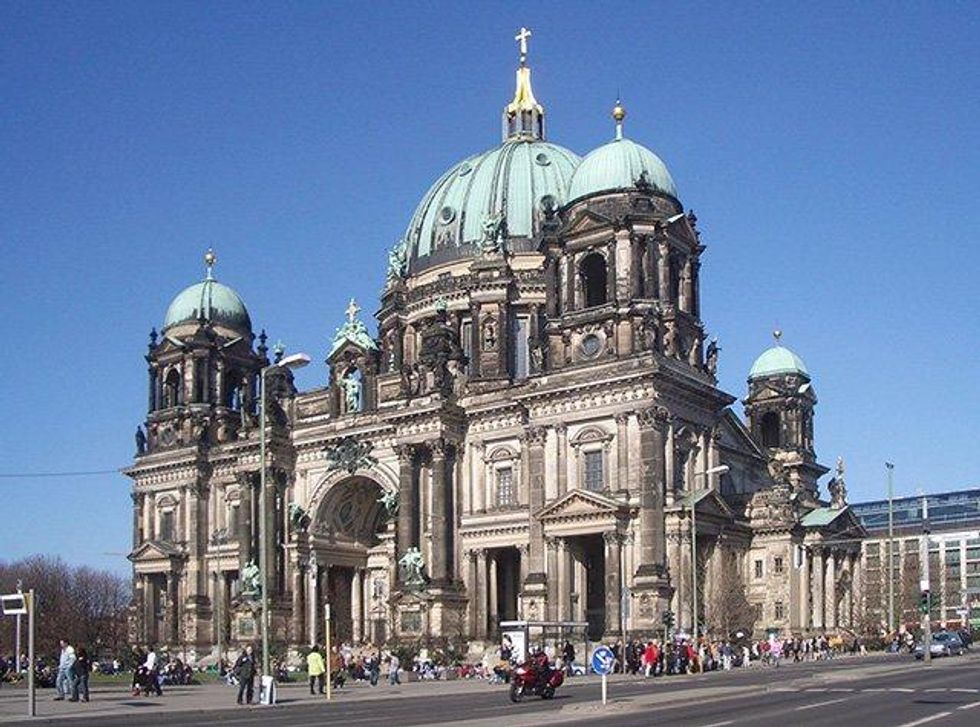
8. Berlin, Germany
Berlin, Germany
PixlBiss/Shutterstock
Known for being liberal, Berlin scores a perfect 10 out of 10 in four categories, including gender recognition and anti-discrimination, and boasts far more gay bars and LGBTQ+ events than many other cities on the list.
7. Glasgow, Scotland
Glasgow, Scotland
Jacob Boomsma/Shutterstock
Glasgow has most cities on this list beat in the number of sex shops, sex worker rights, gay bars, and gay events, so it’s no wonder it made it to No. 7.
6. Atlanta, Georgia
Atlanta, Georgia
Sean Pavone/Shuttrstock
People may think all Southern cities are conservative, but Atlanta got nearly a perfect score on the number of sex shops in the city, and scored higher than any city on this list so far in the number of LGBTQ+ events, gay events, and gay bars.
5. Miami, Florida
Miami, Florida
Markus Mainka/Shutterstock
Home to the infamous gayborhood of South Beach, Miami is the only city on this entire list that scored perfect 10s in the number of sex shops, gay bars, gay events, and LGBTQ+ events.
4. Amsterdam, Netherlands
Amsterdam, Netherlands
Noppasin Wongchum/Shutterstock
Amsterdam was the overall champion of the ranking for the most liberal city in the world, with perfect marks for sex work freedom, abortion rights, and gender recognition, but it landed in fourth place when it comes to which of the cities on the list is the queerest.
3. Cologne, Germany
Cologne, Germany
Wu Munich/Shutterstock
Cologne is another city that takes sex workers’ rights seriously and manages to not only have a decent number of gay bars and LGBTQ+ events, but also scored perfect 10s in four categories, including gender recognition and anti-discrimination.
2. Manchester, England
Manchester, England
SAKhanPhotography/Shutterstock
Boasting a 7.47 out of 10 for the number of gay bars in the city, Manchester also does well in gay events, contraception use, gender recognition, and anti-discrimination.
1. San Francisco, California
San Francisco, California
anek.soowannaphoom/Shutterstock
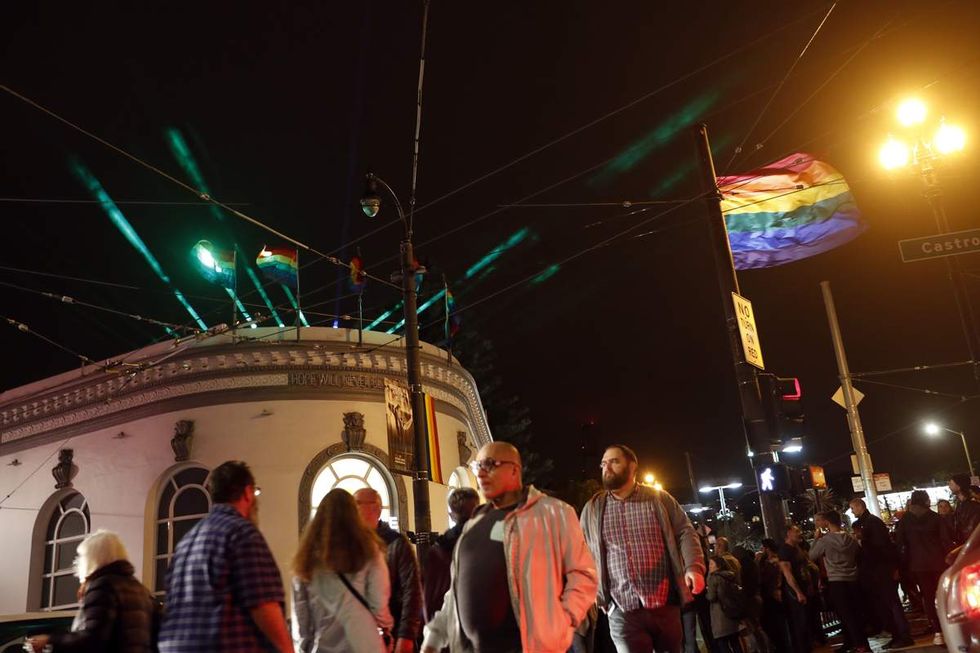
San Francisco took home the crown for the most LGBTQ+ city on the sexually liberated list. Home to the famous Castro District and the heartbeat of much of the gay rights movement, the Bay Area city scores high on LGBTQ+ events, gay events, gay bars, sex shops, gender recognition, and sex worker organizations.
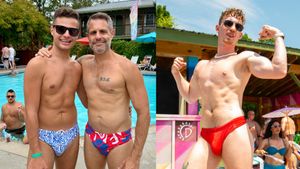
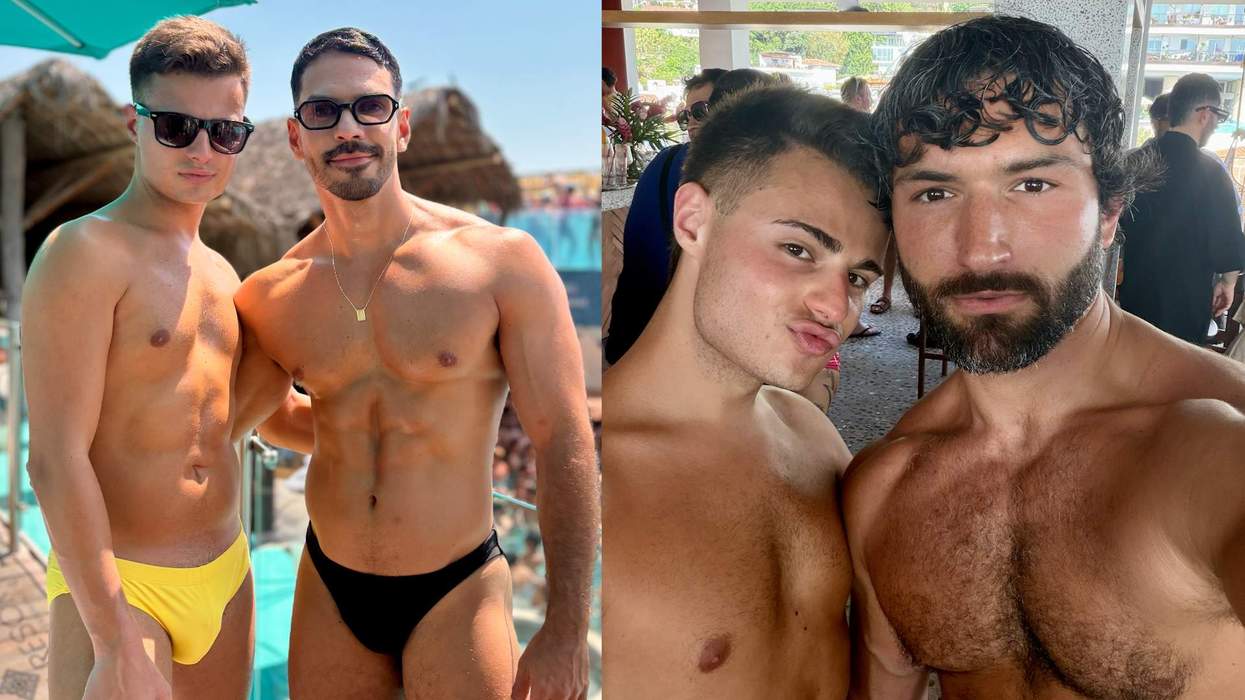
Ricky Cornish with friends at Puerto Vallarta Pride.
Ricky Cornish
Pride Month may only be half over, but it's proving to be one of the boldest and brightest yet.
June is known as the official time of the year to advocate for equality and celebrate the progress made within the LGBTQ+ community, but many festivities begin well before the summer.
With notable events like Miami Beach Pride taking place in April and DC Black Pride happening in May, there's plenty of opportunities to embrace queer joy all year round.
As a Las Vegas native, EDC serves as my personal kickoff to Pride season. The iconic Insomniac festival is one of the most inclusive parties for anyone to attend and it takes place right in the heart of May.
Anti-LGBTQ+ legislation continues to gain momentum across the globe, but that's not stopping gay people such as myself from showcasing their Pride in their neighborhoods and communities. Life is undeniably too short, so check out some of the top places I've had the pleasure of visiting.
Puerto Vallarta is known as one of the top queer destinations in the world, so there's really no better place to start all of the Pride shenanigans.
Typically happening Memorial Day weekend in the United States, Zona Romántica shuts down the streets for their annual parade and block party. Plus, famous hotspots such as Mantamar Beach Club, Industry, Mr. Flamingo, and more are filled with gay people rocking their Speedos and loving the skin they're in.
If Puerto Vallarta Pride is too tough of a getaway, Pensacola Pride serves as the largest LGBTQ+ Pride celebration to take place over Memorial Day Weekend in the United States. The idea of kicking off Pride season in Florida may sound a bit surprising, but it's a can't-miss occasion... trust me!
San Antonio has proven to be the most surprising stop on my Pride circuit this year. Yes, even southern Texans know how to get down for Pride Month.
When you first think of this city, you'll likely think of the iconic River Walk and The Alamo, but the sense of community is what really makes this Texas destination so special.
Pride is already a very celebratory bash, but when you add the love for their NBA team, the San Antonio Spurs, there's nothing that really matches the level of energy amongst the locals. I've never in my life attended a Pride parade that would switch between sickening drag performances and a basketball game screening.
In fact, San Antonio's annual Pride River Parade expedited their scheduled shows to allow thousands of fans to watch the Spurs defeat the Oklahoma City Thunder in Game 7 of the Western Conference Finals. I've never seen a city come so alive following a sports win. My ears are still ringing from all of the car honking, screaming, and partying that took over the streets!
Beyond the Pride River Parade, the entire city of San Antonio fully embraces Pride. The amount of rainbow flags I saw at numerous establishments including Best Quality Daughter, Elsewhere Garden & Bar, San Antonio Museum of Art, and the renowned Gay Strip truly had me in shock. Plus, the city even offers a 'Sip Around the Rainbow' excursion where locals and tourists can have Pride-themed cocktails at various places that proudly stand with the LGBTQ+ community.
San Antonio is so filled with Pride that earlier this year, the citizens painted the sidewalks on the Gay Strip rainbow as a workaround after state officials forced the city to remove rainbow crosswalks. Now that's how you enforce Pride!
This may not necessarily come as a surprise, but West Hollywood Pride is considered one of the best for many reasons.
Located in the heart of Los Angeles county, WeHo is home to thousands of queer people who frequent the well-known gay bars such as The Abbey Food & Bar, Micky's, Rocco's, and many more on Santa Monica Boulevard.
The beloved gayborhood serves as the perfect backdrop for Pride as the streets literally shut down every first weekend of June to throw an epic parade and host the Outloud Music Festival.
This was my second year attending WeHo Pride and I can certainly see why people say it's their favorite Pride celebration all year. With headliners that included The Pussycat Dolls, JADE, Ava Max, Cain Culto, and more, the city came alive even after the festival was over.
Yes, the bars had their doors open to everyone to keep the good vibes going, but locals also threw their own parties at various houses, condos, and pools. There's no shortage of fun in WeHo thanks to the constant circuit events, drag brunches, concerts, and get-togethers.
It's hard to believe Pride Month will be over in just a couple of weeks, but the mission is stronger more than ever. Gay rights remain on the line, so now is the time to be visible and proud.
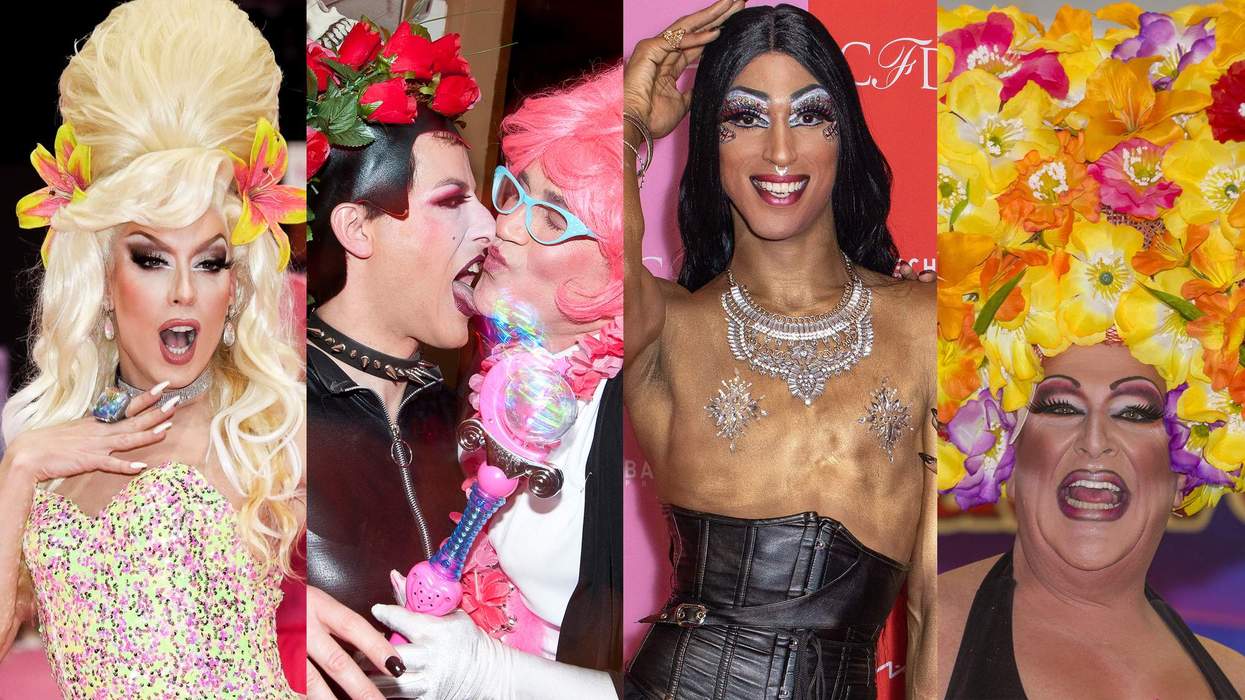
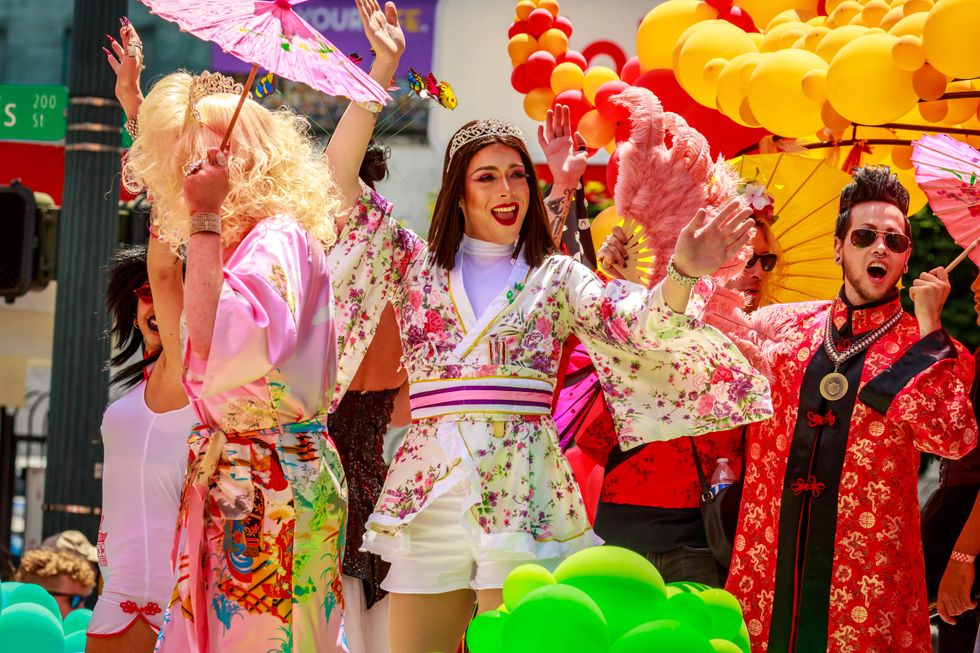
DVSROSS/Shutterstock; Rick Friedman/Corbis via Getty Images; Arturo Holmes/Shutterstock; Kobby Dagan/Shutterstock
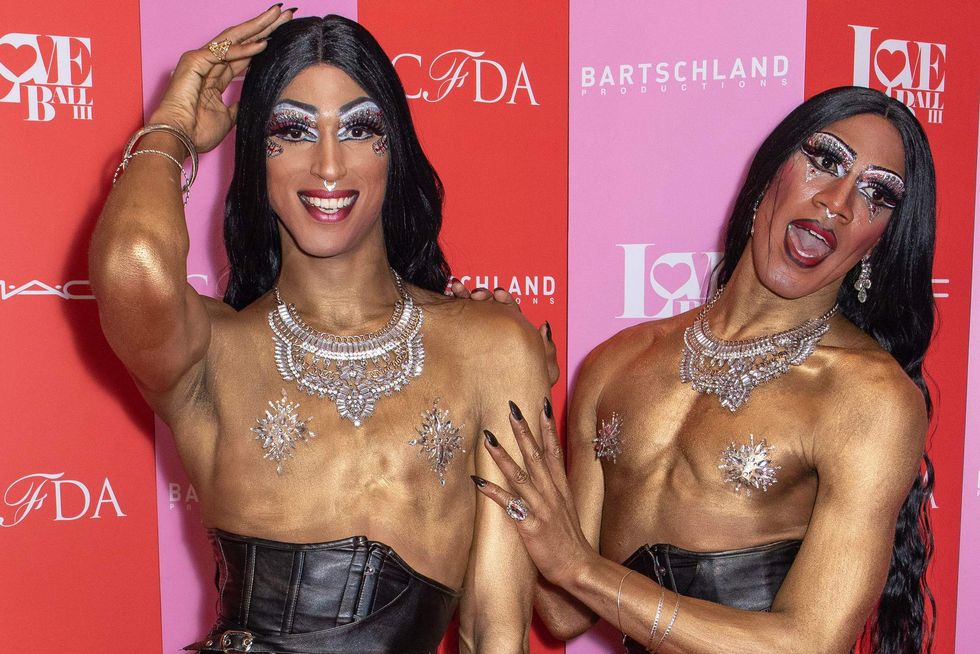
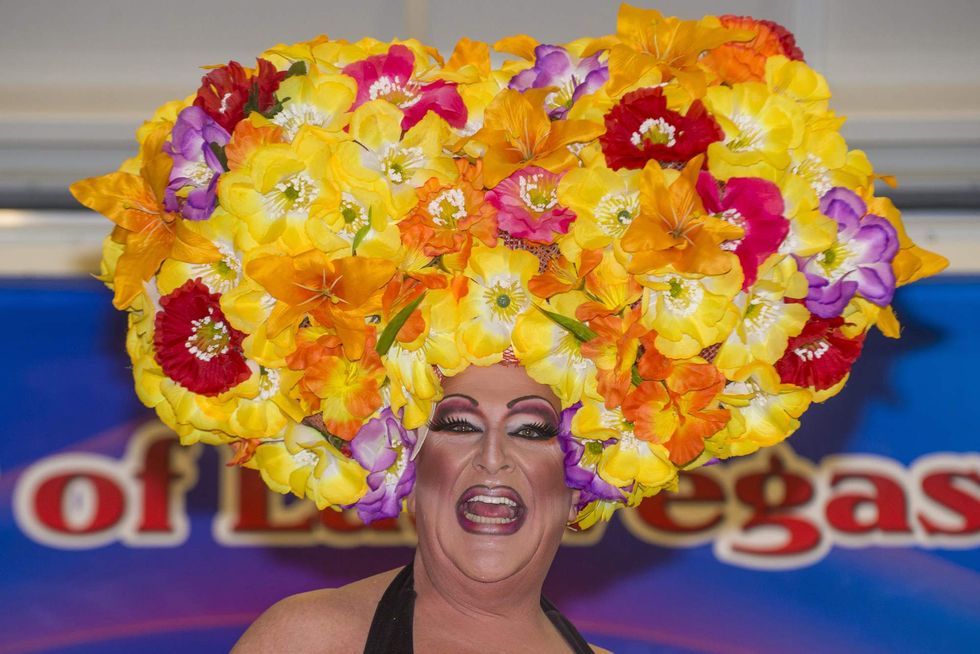
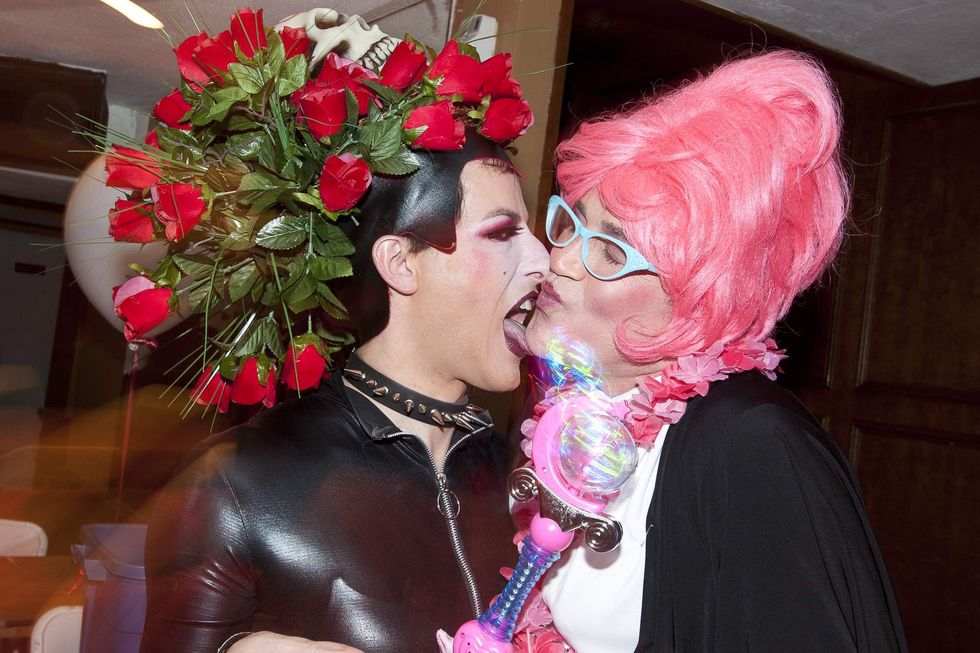
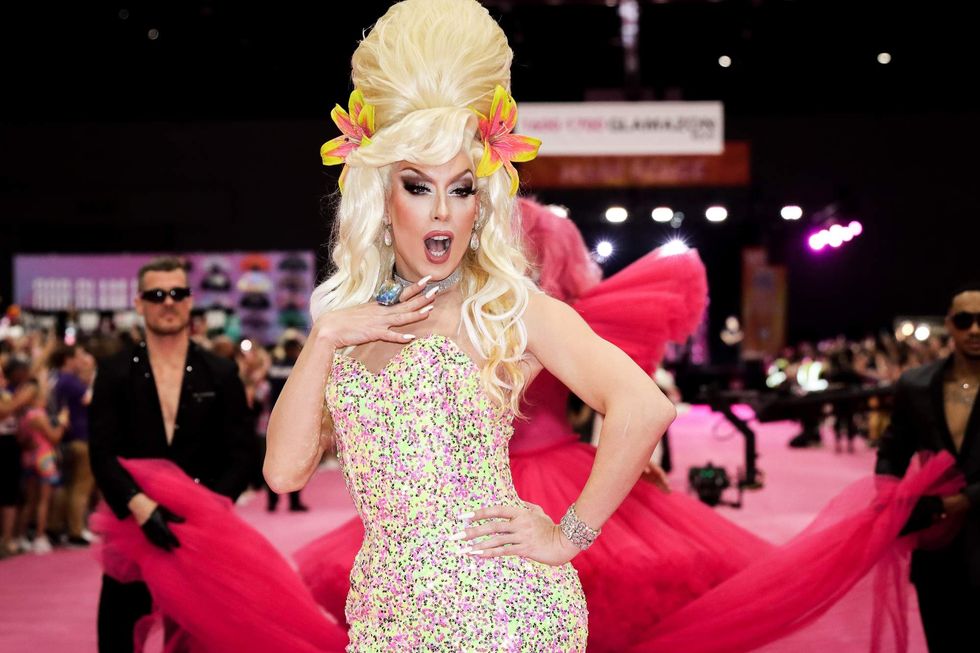
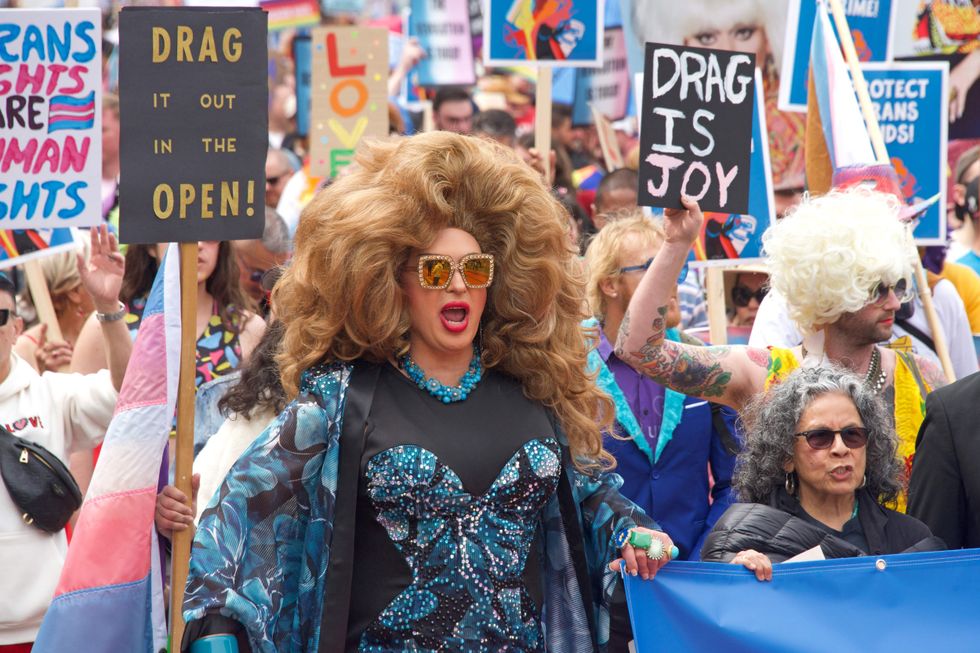
Drag culture is intrinsically linked to the queer community, with drag queens and kings not only serving fierce looks and entertainment but also being among the most visible members of LGBTQ+ culture.
At a time when Drag Queen Story Hour is under attack and gender expression that doesn’t meet societal standards of heteronormativity is being policed around the clock, it is more important than ever that everyone supports their local drag scene.
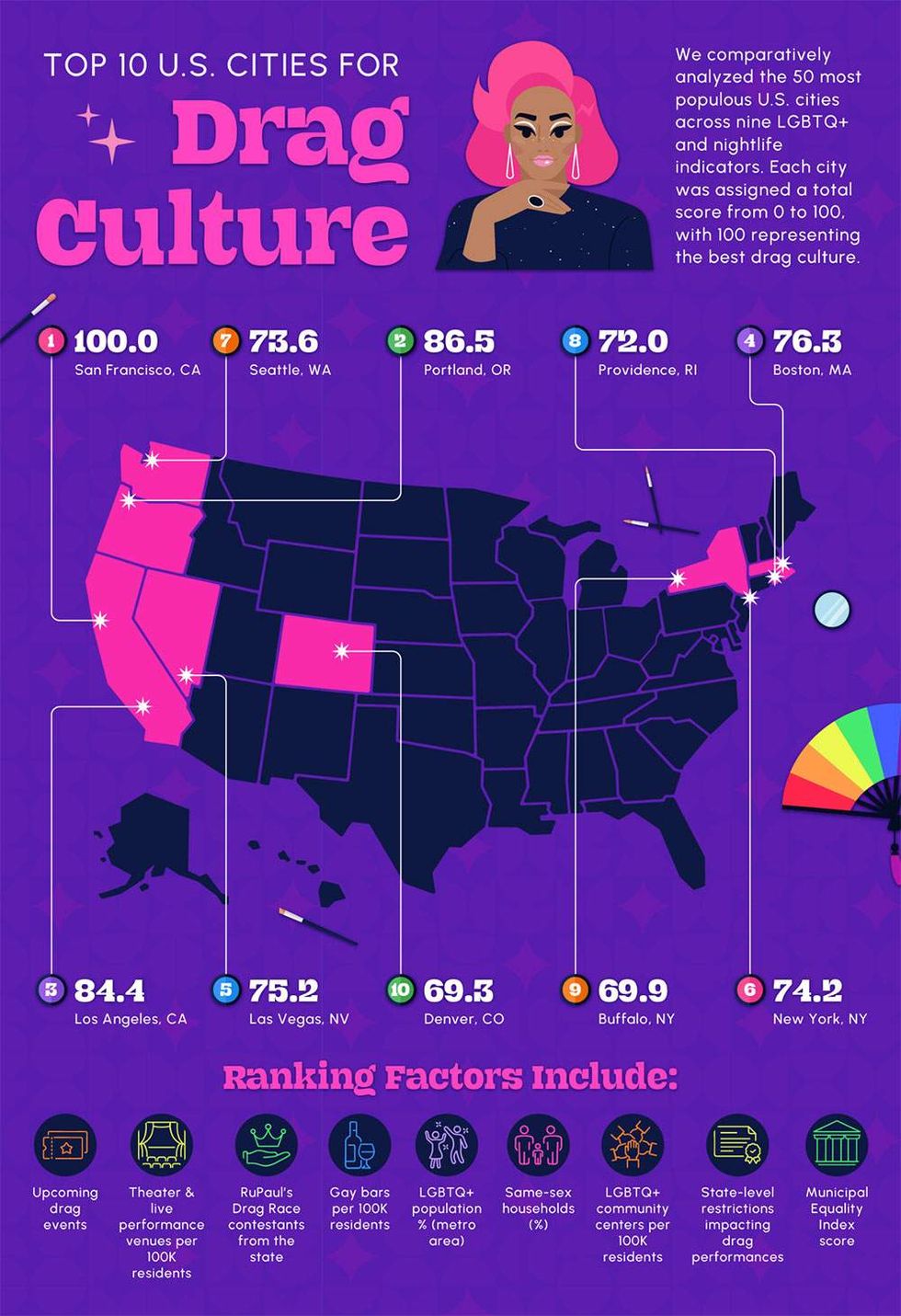
To make their list, Lovehoney looked at the 50 most populous cities in the country, and scored each one “across nine indicators tied to visibility, LGBTQ+ nightlife, community infrastructure, entertainment access, and the local policy environment” to determine the 10 cities with the best drag culture. And, of course, they turned out to be some of the most liberal cities in America.
“Drag is equal parts art, community, glamour, comedy, and pure self-expression,” Lovehoney said in a statement. “It’s a pretty perfect excuse for a trip. One great show can turn into a whole weekend of late nights, drag brunches, and venue-hopping.”
Keep scrolling to find out more about the best U.S. cities for drag culture.
10. Denver
Drag queens at Denver Pride.
Helen H. Richardson/MediaNews Group/The Denver Post via Getty Images
Denver may not have quite as many upcoming drag events as Los Angeles, but it has almost as many same-sex households as San Francisco. The City by the Bay has 2.96 percent, while Denver boasts 2.26 percent.
Lovehoney score: 69.3 out of 100
9. Buffalo
Drag queen high-fiving a man at Buffalo Pride.
Val Dunne Photography/Shutterstock
Buffalo might not be a big urban center like it’s neighbor NYC, but it still has a thriving drag scene that is worth seeking out on your next East Coast trip.
Lovehoney score: 69.9
8. Providence
Drag queens in Providence, R.I.
Anthony Ricci/Shutterstock
Lovehoney called Providence, Rhode Island, their “small city, big density” pick, since the city has the highest gay-bar density of any place in the study.
Lovehoney score: 72.0
7. Seattle
Drag queens in Seattle, Wash.
Oscar C. Williams/Shutterstock
Seattle may be best known for its coffee and rain, but you should start thinking of it as a drag destination since it hosts a mix of drag events and a thriving queer community.
Lovehoney score: 73.6
6. New York City
The Dragon Sisters in New York City.
Arturo Holmes/Shutterstock
New York City manages to have a huge number of live performances, with the highest number of theater companies and dinner theaters hosting drag events. The City That Never Sleeps also boasts the most Drag Race contestants of any state in the study.
Lovehoney score: 74.2
5. Las Vegas
Drag queen in Las Vegas, Nevada.
Kobby Dagan/Shutterstock
Of course, Las Vegas made it high on this list since it’s known for its amazing and vibrant nightlife. So get out of the casino because the Neon City has a bunch of drag performances for you to enjoy and more gay bars than places like Los Angeles and Portland.
Lovehoney score: 75.2
4. Boston
Drag queen bingo in Boston, Mass.
Rick Friedman/Corbis via Getty Images
Boston not only has a huge number of drag events going on year round, but also has so many same-sex households it comes close to rivaling San Francisco.
Lovehoney score: 76.3
3. Los Angeles
Alaska Thunderfuck at DragCon LA.
DVSROSS/Shutterstock
Los Angeles has the highest number of drag events of any city the study looked at, which makes sense considering it’s the home of DragCon LA and the primary filming location for Drag Race.
Lovehoney score: 84.4
2. Portland
Drag queens in Portland, Oregon.
Png Studio Photography/Shutterstock
Portland, Oregon, was the runner-up because there are so many upcoming drag events that you’ll have a ton to choose from when you go out on the town.
Lovehoney score: 86.5
1. San Francisco
Drag queens in San Francisco, Calif.
Sheila Fitzgerald/Shutterstock
San Francisco got a perfect score from Lovehoney because it has “LGBTQ+ visibility, nightlife density, and a busy Eventbrite drag calendar.” The city has a high number of upcoming drag events, gay bars, and same-sex households.
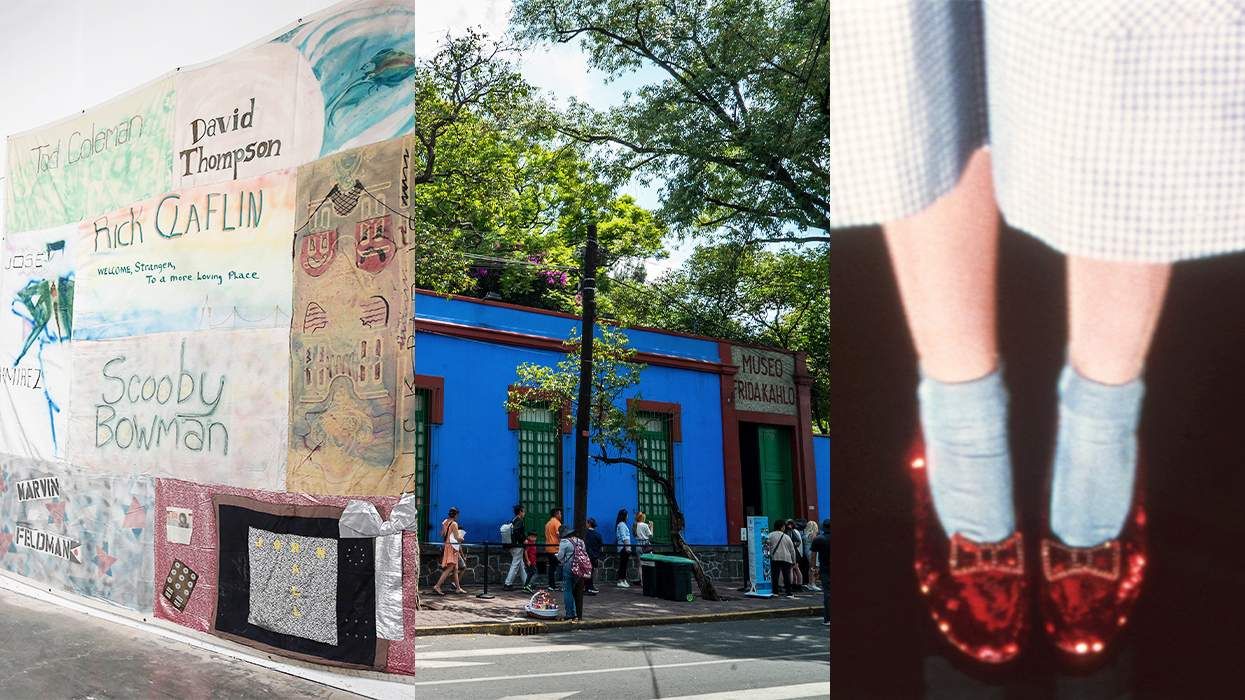
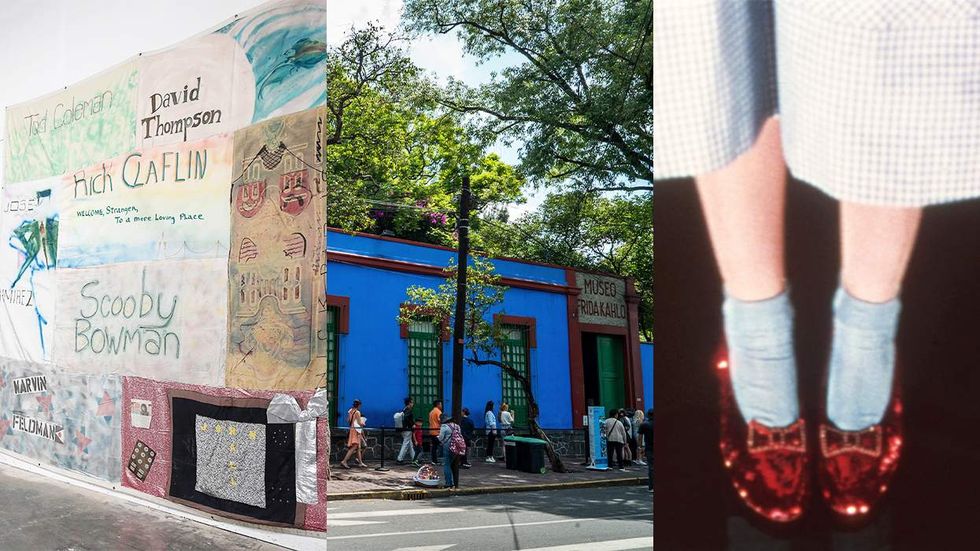
AIDS Memorial Quilt and Grove; Museo Frida Kahlo; Dorothy's ruby slippers
Lea Suzuki/The San Francisco Chronicle via Getty Images; Jair Cabrera Torres/picture alliance via Getty Images; Screen Archives/Getty Images
LGBTQ+ sites and artifacts for your bucket list
AIDS Memorial Quilt and Grove; Museo Frida Kahlo; Dorothy's ruby slippers
Lea Suzuki/The San Francisco Chronicle via Getty Images; Jair Cabrera Torres/picture alliance via Getty Images; Screen Archives/Getty Images
If you want to take in some LGBTQ+ history and culture, we’ve assembled a list of things to put on your bucket list. From Sappho to Stonewall, Harvey Milk to Judy Garland, here are the queer things we recommend you see in your time on this planet.
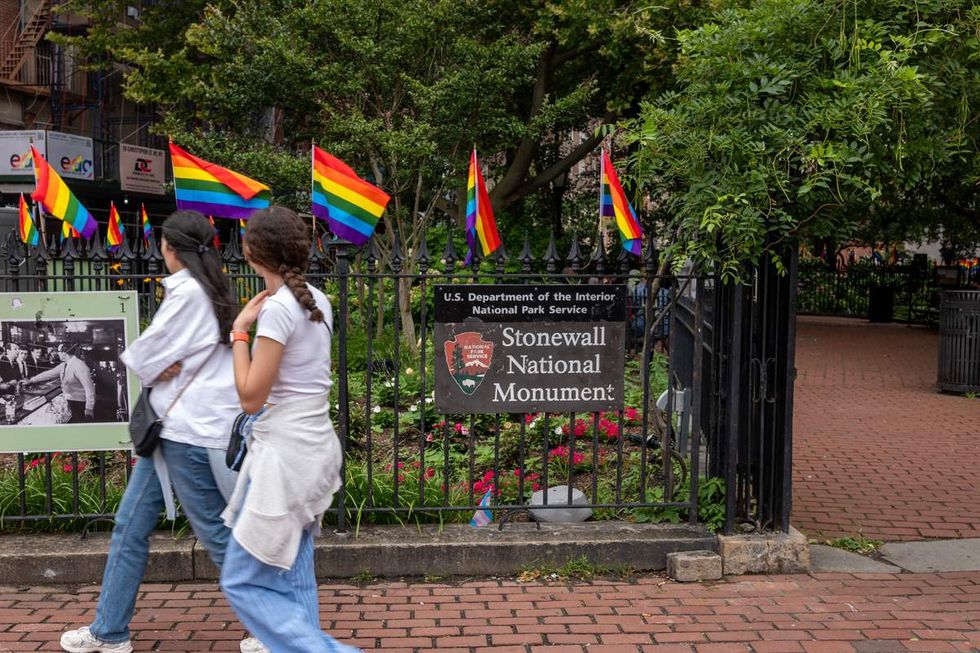
Stonewall National Monument and Stonewall Inn, New York City
Stonewall National Monument and Stonewall Inn, New York City
Spencer Platt/Getty Images
Where it all began — sort of. There were LGBTQ+ rights organizations (often then called “homosexual” or “homophile” groups) and protests, including the one that gave rise to The Advocate, before the 1969 riots against police harassment at New York City's Stonewall Inn, but Stonewall really lit the fire under the movement. In 2016, President Barack Obama made Stonewall the first national LGBTQ+ monument. Donald Trump’s administration shamefully erased references to queer and transgender people from the monument’s website this year (bisexual references were erased for a time, then restored), but you can still show your solidarity at the monument and enjoy a drink at the historic bar.
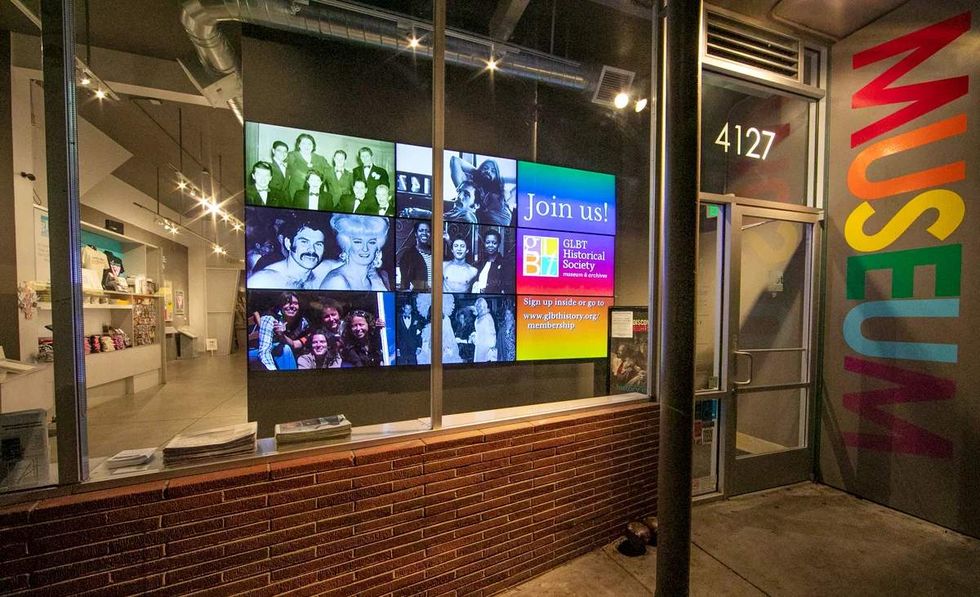
A must-see in the Castro is the GLBT Historical Society Museum, full of permanent and rotating exhibits highlighting the diversity of LGBTQ+ people throughout history. Permanent exhibitions include “Queer Past Becomes Present,” in the museum’s main gallery, and a fragment of the first Pride flag, created in 1978. Temporary exhibitions have focused on transgender women of color, Asian-Pacific Islanders, Curve magazine, Irish LGBTQ+ people, and more. The historical society also maintains the Dr. John P. De Cecco Archives and Special Collections in San Francisco's mid-Market District; these collections can be viewed by appointment. Both the museum and archives have online resources as well.
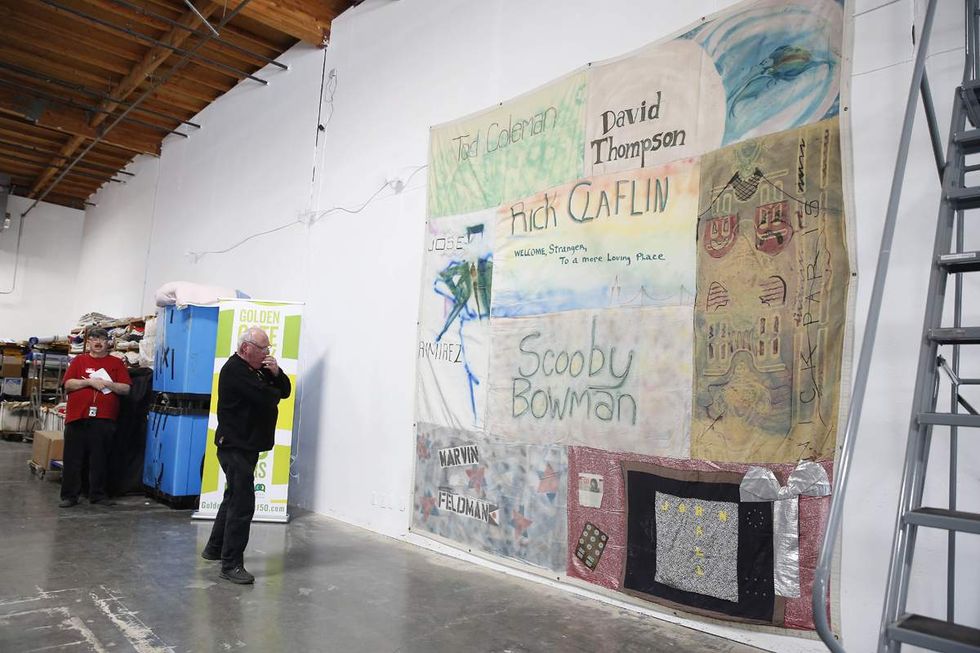
AIDS Memorial Quilt and Grove
AIDS Memorial Quilt and Grove
Lea Suzuki/The San Francisco Chronicle via Getty Images
Longtime activist Cleve Jones came up with the idea of the Names Project AIDS Memorial Quilt in 1985. Now the quilt has 50,000 panels dedicated to more than 110,000 people lost to the disease. The full quilt was last displayed in 1996, but portions are displayed all over the nation, and you can request a display in your community. Those lost are also honored in the National AIDS Memorial Grove, which covers 10 acres of Golden Gate Park in San Francisco. “Thousands of people have died in San Francisco, millions in the world. The point of the National AIDS Memorial Grove is to remember them, one at a time,” Congresswoman Nancy Pelosi once said.
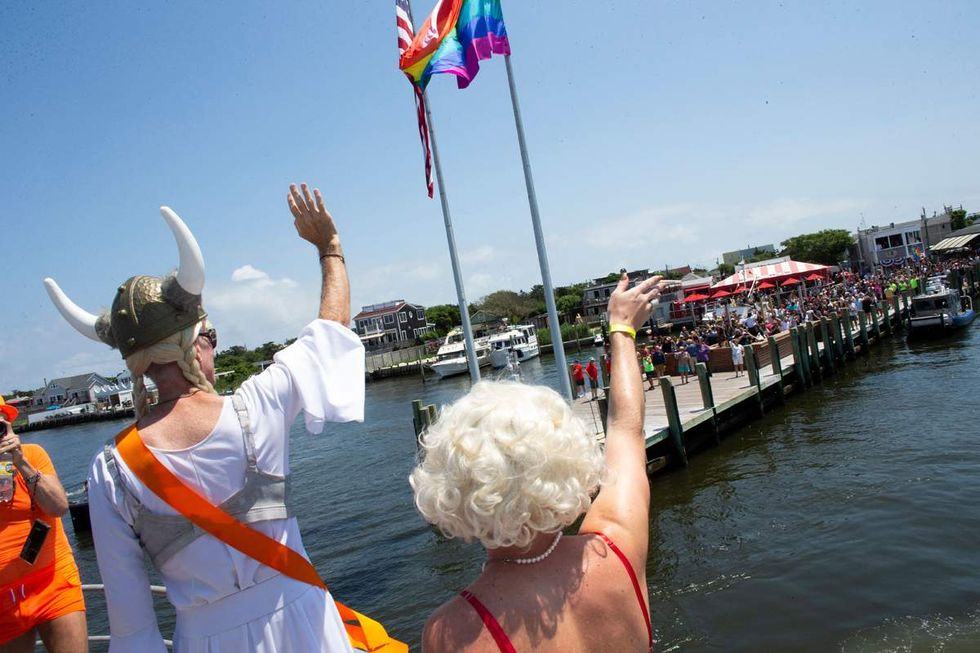
Fire Island Pines and Cherry Grove, Long Island, New York
Fire Island Pines and Cherry Grove, Long Island, New York
KENA BETANCUR_AFP via Getty Images
Fire Island, located on New York's Long Island, has been a vacation destination for LGBTQ+ people for decades. The Pines has typically been a gay men's haven, while lesbians have gravitated to Cherry Grove, but there are plenty of members of our community everywhere on Fire Island.
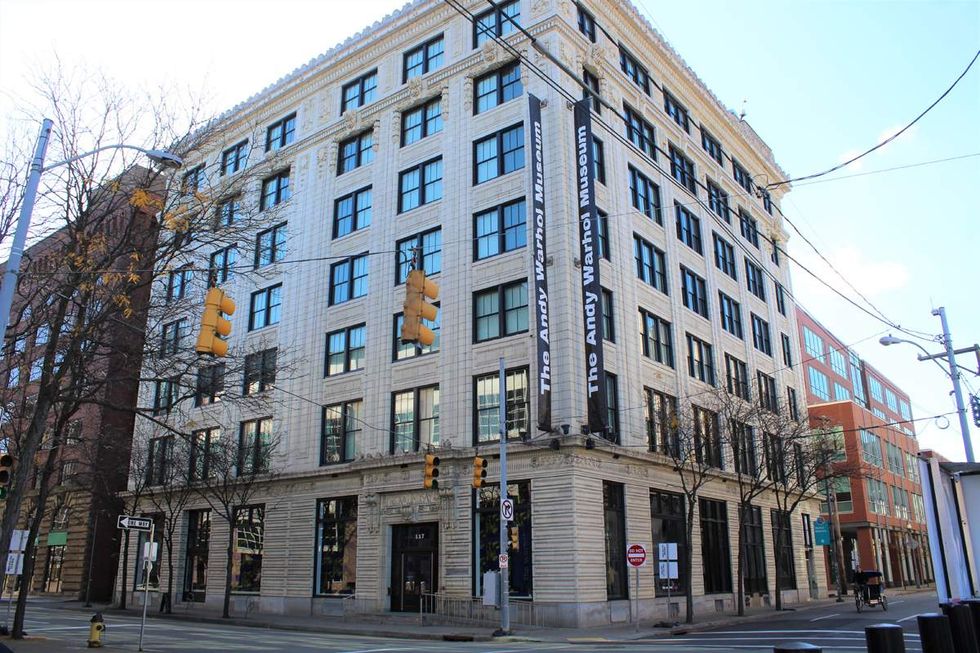
Andy Warhol became famous in New York City, but his hometown of Pittsburgh hasn't forgotten him. The city's Andy Warhol Museum has the largest collection of Warhol art and archives in the world. It includes 900 paintings; approximately 100 sculptures; nearly 2,000 works on paper; more than 1,000 published and unique prints; and 4,000 photographs. The museum's website promises you'll see something different every time you visit. So put on comfortable shoes to see Marilyn, Mao, soup cans, Coca-Cola bottles, and more. The museum also features works by Warhol's mother, Julia Warhola, and hosts concerts and other events.
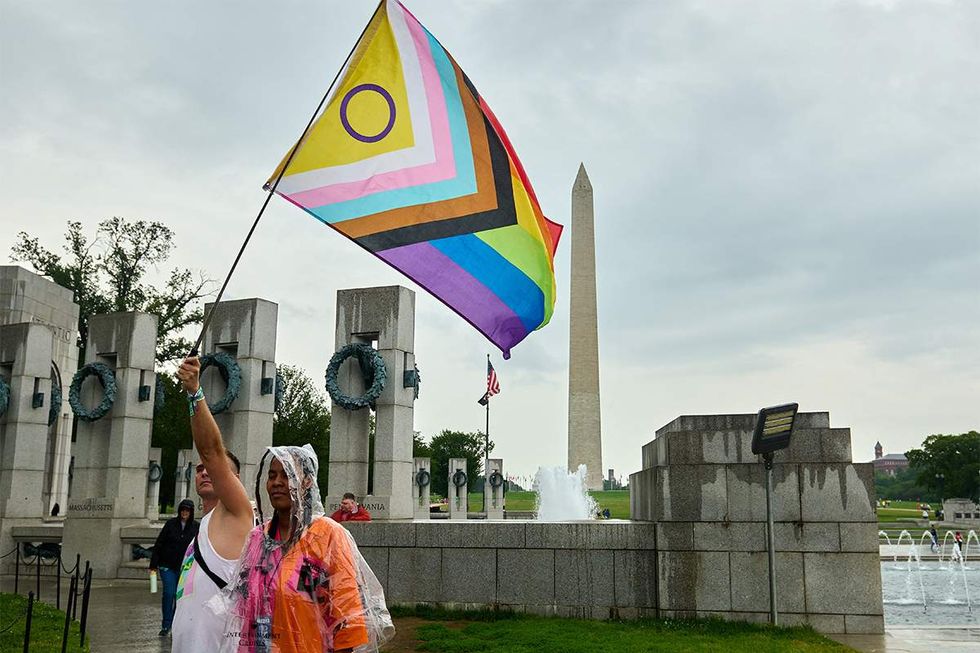
People rally and march in the 2025 WorldPride DC celebration of LGBTQ rights in Washington D.C., USA, on Sunday, June 8, 2025
DOMINIC GWINN/Middle East Images/AFP via Getty Images
Plenty of LGBTQ+ history has been made in the nation's capital. The DC Preservation League has compiled a list of important LGBTQ+ historic sites, including the homes of activists Lucy Diggs Slowe and Mary Powell Burrill, a prominent Black couple, and Frank Kameny, who sued the federal government after being fired for being gay. There are also sites of historic gay bars and other businesses, the home of the Furies Collective (a lesbian feminist group of the 1970s), and gayborhoods. Go here and plan your trip!
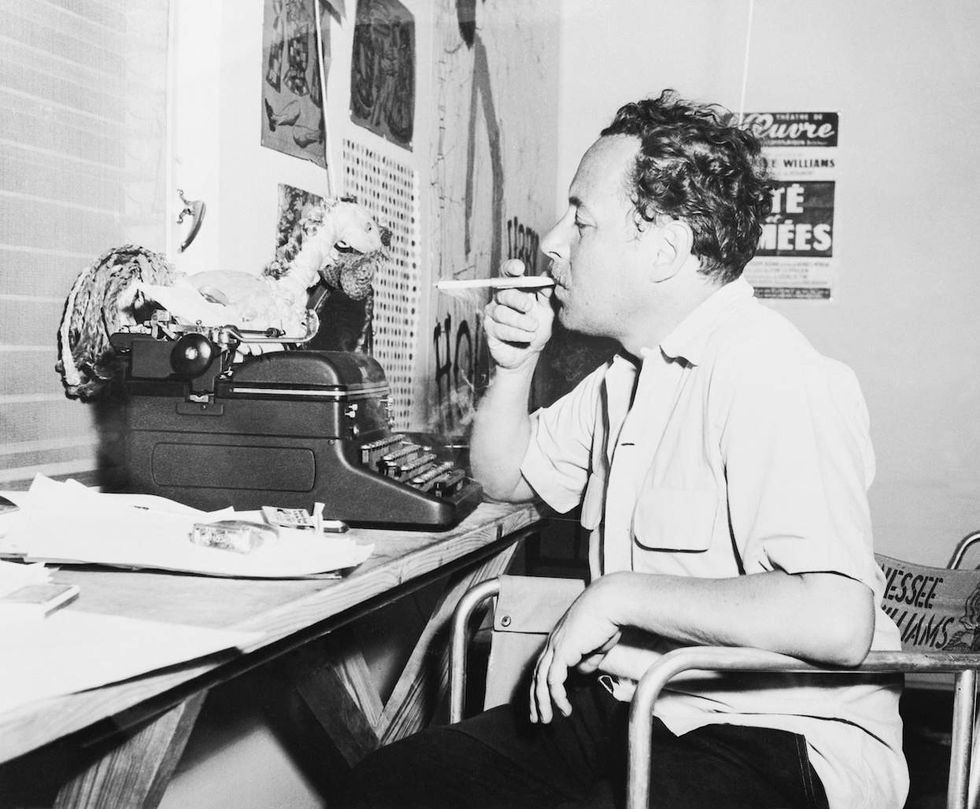
Tennessee Williams at his typewriter in his Key West home, 1957
Bettmann via Getty Images
Key West, Florida, has long been an LGBTQ+ mecca, and one of its most famous gay residents was one of 20th-century America's greatest playwrights, Tennessee Williams, author of The Glass Menagerie, Cat on a Hot Tin Roof, A Streetcar Named Desire, and more. It's believed he finished writing the latter while staying in a Key West hotel in 1947, and he bought a house there in 1950, which he occupied until his death in 1983. The Tennessee Williams Museum in Key West includes photographs, first edition plays and books, rare newspaper and magazine articles, videos, a typewriter used by Williams in Key West, a scale model of his home, and other artifacts.
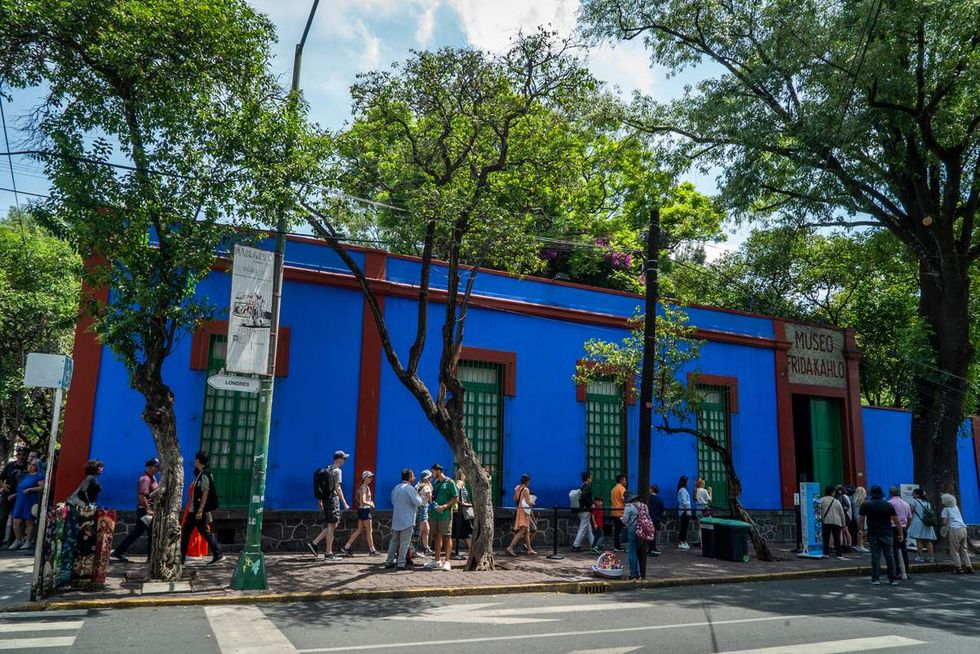
Museo Frida Kahlo, Mexico City
Museo Frida Kahlo, Mexico City
Jair Cabrera Torres/picture alliance via Getty Images
Bisexual artist Frida Kahlo wanted her home in Mexico City, the Casa Azul (Blue House), where she spent most of her life, to become a museum for all Mexicans and visitors to enjoy. After her death in 1954, friends and others carried out her wish, and since 1958, Museo Frida Kahlo has welcomed all. It includes paintings by Kahlo and her husband, Diego Rivera; some of their belongings; folk art; pre-Columbian sculpture; and much more.
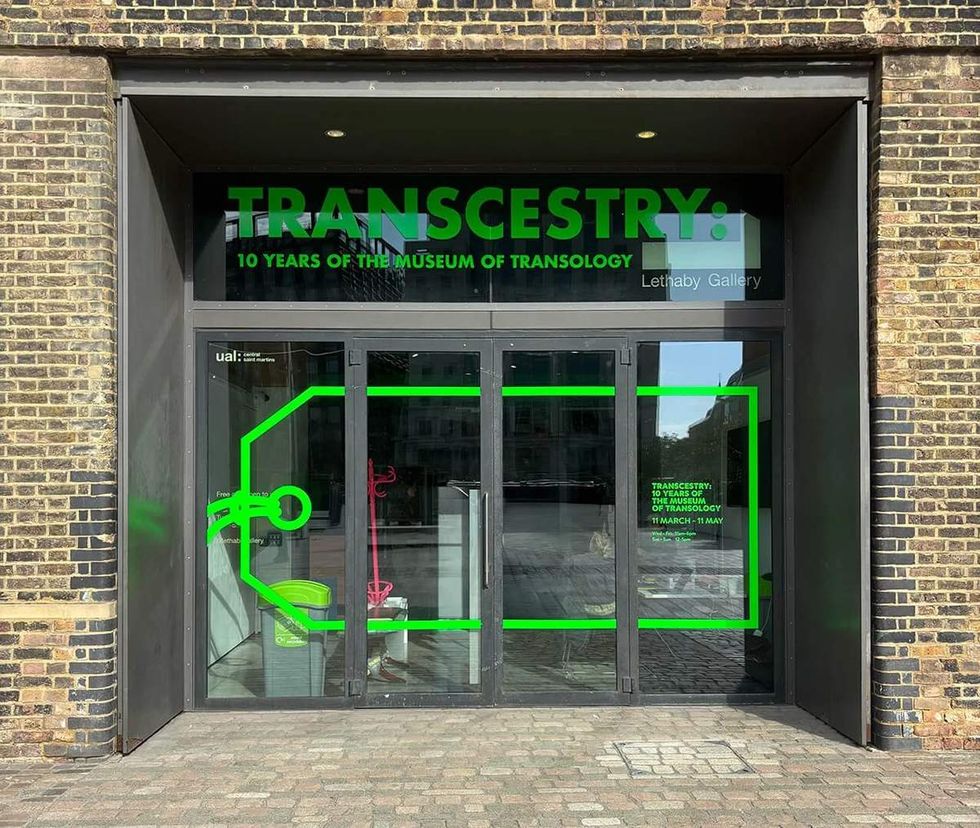
The Museum of Transology in London has more than 1,000 artifacts relating to transgender, nonbinary, and intersex people's lives. The collection is housed at the Bishopsgate Institute's Special Collections and Archives, where you can request to see, study, and photograph any artifact for free, and parts of the collection are exhibited throughout the U.K. To find out about current exhibitions, visit the museum's Instagram page.
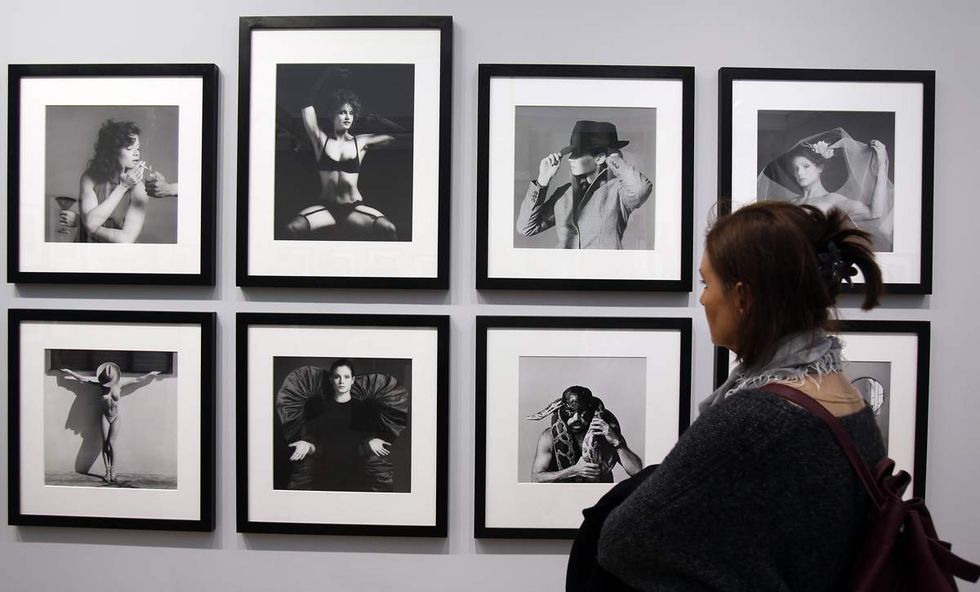
The photographs of Robert Mapplethorpe
The photographs of Robert Mapplethorpe
Chesnot/Getty Images
Robert Mapplethorpe created beautiful, provocative, and controversial photos over the course of his career. He set up the Robert Mapplethorpe Foundation in 1988, the year before his death, to promote photography as an art form and support medical research on HIV. In 1993, the foundation donated more than 200 of his photos to the Guggenheim Museum in New York City. His work can be viewed at many other museums as well, including NYC's Museum of Modern Art, the Tate Modern in London, and the Kinsey Institute at Indiana University.
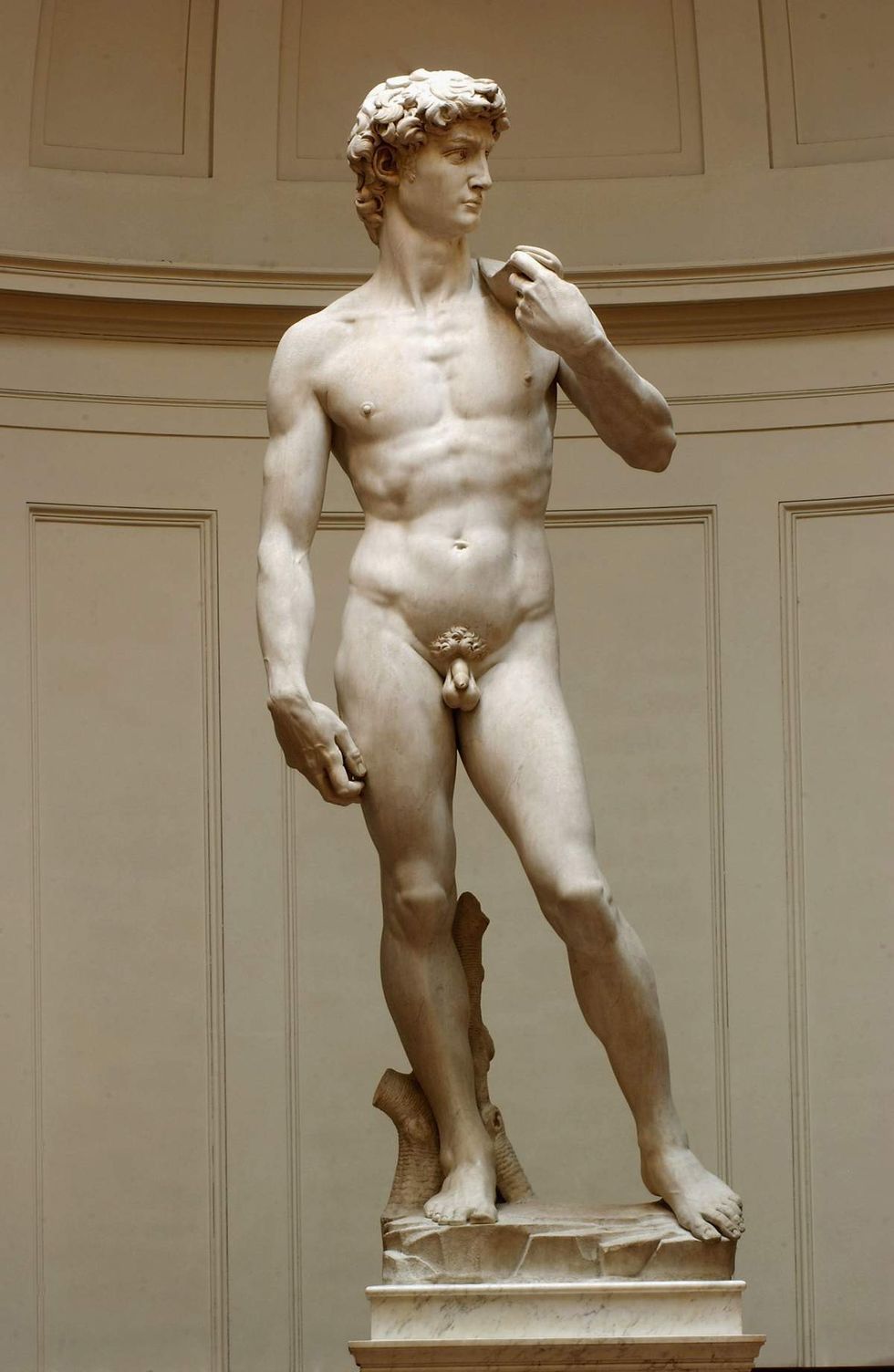
Michelangelo’s David, Florence, Italy
Michelangelo’s David, Florence, Italy
Franco Origlia/Getty Images
Yes, we will claim Michelangelo's David as a gay artifact. How many David magnets have you seen on the refrigerators of gay men? Plus Michelangelo was gay, and many scholars believe David and his friend Jonathan were, well, more than friends. The monumental sculpture can be viewed at the Galleria dell’Accademia in Florence, Italy. If you are traveling around the country, you can also see much of Michelangelo's work at the Vatican's Sistine Chapel.
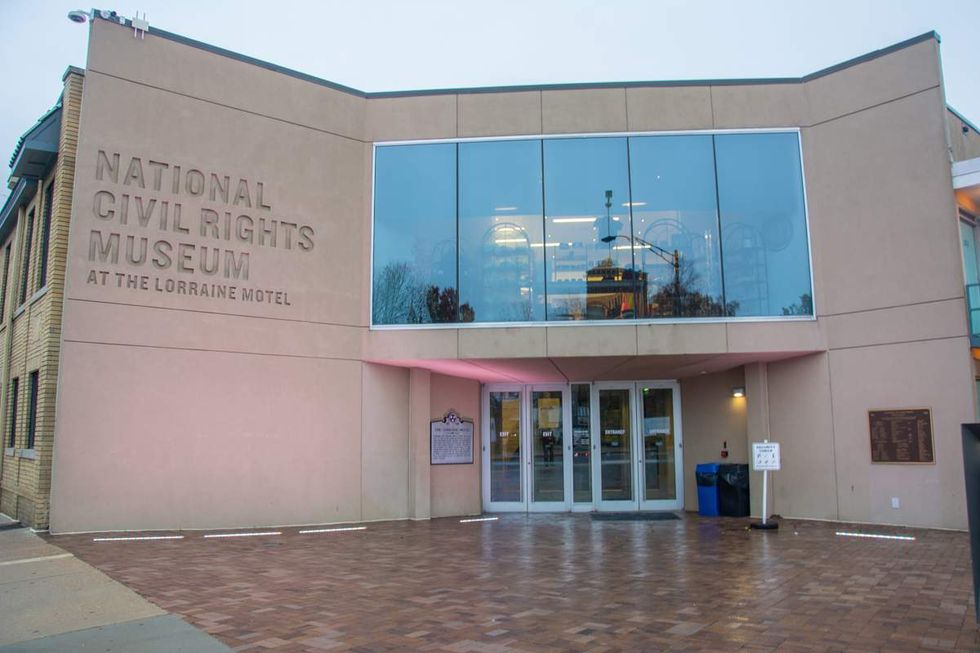
National Civil Rights Museum, Memphis, Tennessee
National Civil Rights Museum, Memphis, Tennessee
Nina Alizada/Shutterstock.com
The National Civil Rights Museum was established in 1991 at the Lorraine Motel in Memphis, Tennessee. Martin Luther King Jr. was assassinated on the balcony of his room at the Lorraine in 1968, but the motel's significance to African Americans goes beyond that tragedy. It catered to Black travelers during the era of segregation, and it hosted celebrities including Louis Armstrong, Cab Calloway, Nat King Cole, Sarah Vaughan, Sam Cooke, Aretha Franklin, Otis Redding, Satchel Paige, Josh Gibson, and Jackie Robinson. The museum has artifacts, films, oral histories, and more, along with a variety of events and exhibitions. An exhibition running through the end of the year honors one of King's chief aides, Bayard Rustin, a gay man. "Speaking Truth to Power: The Life of Bayard Rustin" includes letters, artworks, and other memorabilia. It "marks the first phase of preserving Rustin’s legacy at the museum," according to the institution's website.
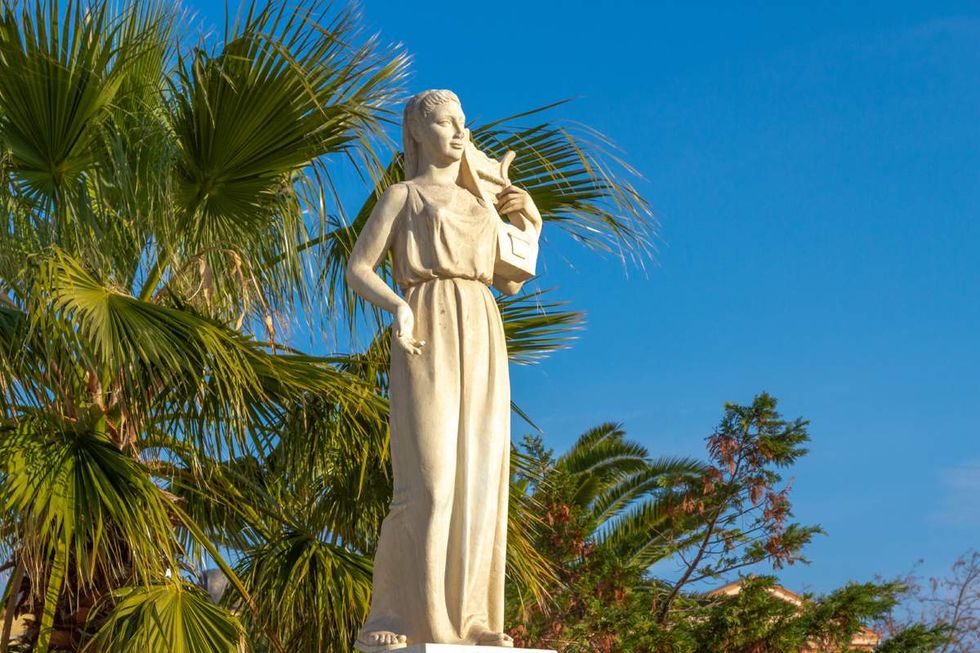
We wouldn't have the terms "sapphic" and "lesbian" without the poet Sappho and her home on the Greek island of Lesbos. Sappho is significant not only for her love of women but for creating love poetry as we know it. She spent most of her life in Mytilini, the capital city of Lesbos. Her statue graces Sappho Square, a hub for nightlife and political protests. If you can't get to Greece, there is Sappho art in the U.S. as well. A sculpture of the poet by 19th-century American artist Vinnie Ream is held by the Smithsonian Institution, and a replica of it is on Ream's grave in Arlington National Cemetery. It's Ream's only statue of a woman. She also created the statue of Abraham Lincoln in the U.S. Capitol Rotunda. At 18, she was "the youngest ever artist and the first woman to be officially commissioned by the U.S. government," according to Artnet. Some scholars say Ream was probably not aware of Sappho's importance to same-sex love, which existed but dared not speak its name in Ream's time, but the sculptor wished to honor her as a strong, independent woman.
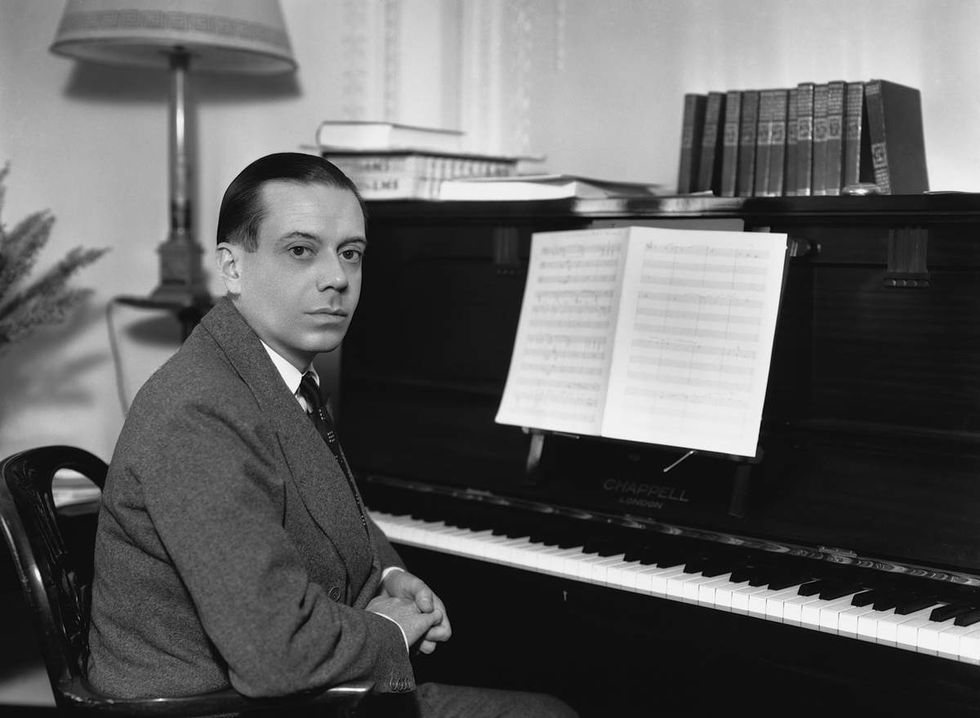
Cole Porter's piano, Waldorf Astoria Hotel, New York City
Cole Porter's piano, Waldorf Astoria Hotel, New York City
Cole Porter was one of the most brilliant Broadway composer-lyricists of the 20th century, well known for his witty way with words: "Old sloths who hang down from twigs do it / Though the effort is great /Sweet guinea-pigs do it /Buy a couple and wait." That's from "Let's Do It (Let's Fall In Love)." The piano on which he made the melodies to go with those lyrics is on display at the Waldorf Astoria New York; Porter lived in a suite at the hotel for 30 years.
Noël Coward Archive Trust, London
Noël Coward Archive Trust, London
Trust-4kclips/Shutterstock.com
Another great gay composer-lyricist — as well as a playwright and performer — of the 20th century was England's Noël Coward. The Noël Coward Archive Trust maintains the Noël Coward Room in London, housing photographs, letters, home movie footage, and other artifacts of his career. "The Coward Room is a rich repository of theatre history, and also an informative and illuminating place to explore the range of Coward's artistry and influence outside the theatre, including his work as a songwriter, painter, cabaret artist and social campaigner," according to its website. Visits are by appointment.
Gerber/Hart LGBTQ+ Library and Archives, Chicago
Gerber/Hart LGBTQ+ Library and Archives, Chicago
gerberhart.org
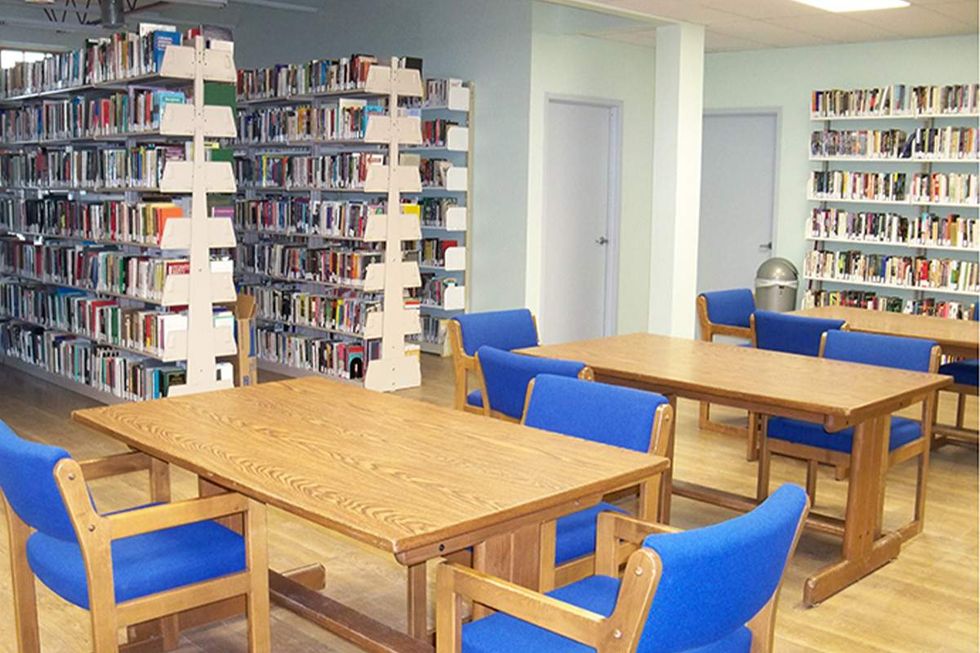
The Gerber/Hart LGBTQ+ Library and Archives in Chicago has a huge collection of historic books, audiovisual materials, and other LGBTQ+ artifacts, with an emphasis on Chicago and the Midwest. It's named for early gay activist Henry Gerber, who founded the Society for Human Rights, the first gay rights group in the U.S., in the 1920s, and pioneering lawyer Pearl Hart. Books and some other materials can be checked out, others viewed at the site. Gerber/Hart also hosts numerous events.
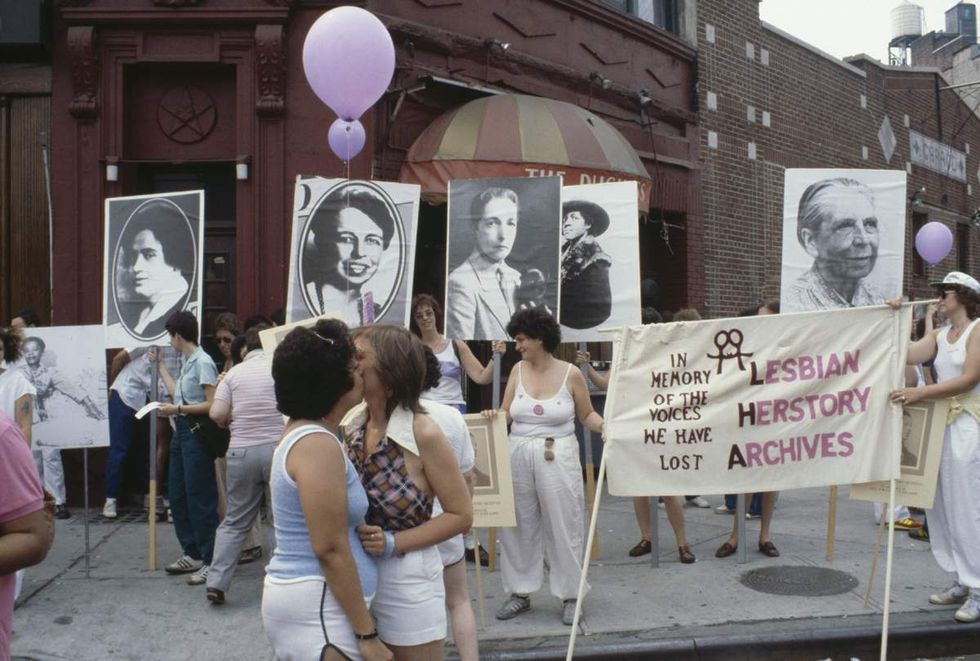
The Lesbian Herstory Archives in Brooklyn, New York, has a massive collection of books, magazines, videos, posters, photographs, newspapers, ephemera, and more, open to researchers by appointment. It also has book sales and story hours, and has traveling exhibitions that can be requested for off-site use.
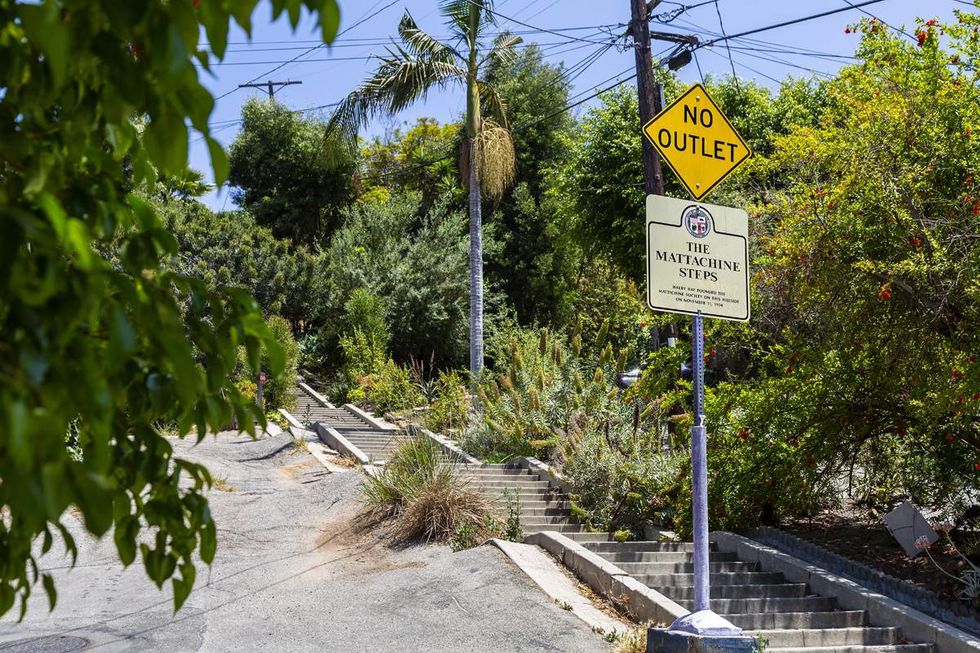
Los Angeles and its environs have a rich LGBTQ+ history. The Black Cat Tavern in L.A.'s Silver Lake neighborhood was a gay bar raided by police on New Year's Eve as 1966 gave way to 1967. Outrage led to protests and the founding of an organization called Personal Rights in Defense and Education, or PRIDE; its name lives on in one of our sister sites. The PRIDE newsletter evolved into The Advocate. The Black Cat is now recognized as a historic site by the city of L.A. and the state of California, and it's open as a restaurant and bar. Also in Silver Lake are the Mattachine Steps, leading to the home of activist Harry Hay, who founded the gay rights group called the Mattachine Society in 1950. The home is apparently still in private hands, but the steps offer a good workout! The ONE Institute, named for an early gay magazine, maintains the ONE Archives of LGBTQ+ historical materials at the University of Southern California and an exhibition space, ONE Gallery, in West Hollywood. At the gallery, "Herb Ritts: Allies & Icons" showcases the photographer's work through December 21. The gallery also hosts Circa: Queer Histories Festival every October for LGBTQ+ History Month. Curbed Los Angeles magazine has a helpful article on L.A. LGBTQ+ sites. Also, take a look at these articles from The Advocate.
Walt Whitman Birthplace, Huntington Station, New York, and Walt Whitman House, Camden, New Jersey
Walt Whitman Birthplace, Huntington Station, New York, and Walt Whitman House, Camden, New Jersey
Paul Pecora/Shutterstock.com
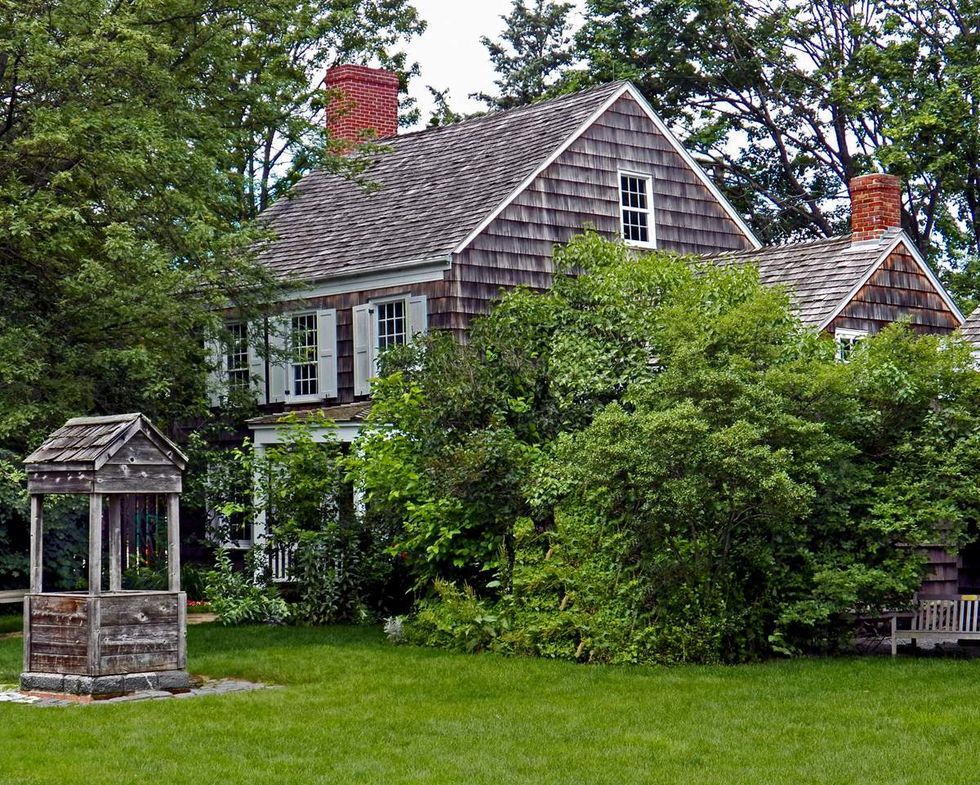
On the East Coast, you can learn much about the great gay bard Walt Whitman. These sites take you from his birth to his death. The Walt Whitman Birthplace and Museum in Huntington Station, New York (on Long Island), includes the house where Whitman was born in 1819. The family lived there until 1823, when they moved to Brooklyn. The nearby Interpretive Center holds many portraits of Whitman, original letters and manuscripts, his writing desk, and even a recording of his voice, made by Thomas Edison in 1890. In Camden, New Jersey, the Walt Whitman House is the home he bought in 1884, the only house he ever owned. He lived there until his death in 1892.
Stonewall National Museum, Archives, and Library, Fort Lauderdale, Florida
Stonewall National Museum, Archives, and Library, Fort Lauderdale, Florida
Chris Allan/Shutterstock.com
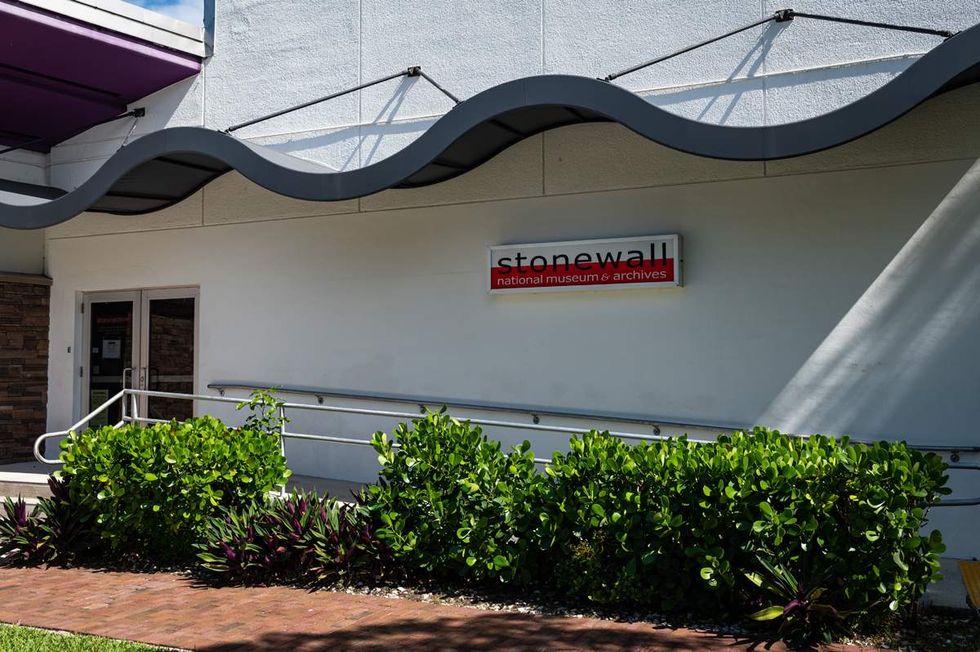
The Stonewall National Museum, Archives, and Library, in Fort Lauderdale, Florida, has one of the largest collections of LGBTQ+ artifacts anywhere; its library's holdings are the biggest in the world, according to the institution's website. It has permanent and rotating exhibitions, movie nights, and other programs. An exhibit that just opened is "Bayard Rustin at the Crossroads," co-presented with the Bayard Rustin Center for Social Justice. It runs through February 10. Another one on view through February showcases the Imperial Sun Court of All Florida, an LGBTQ+ charitable organization.
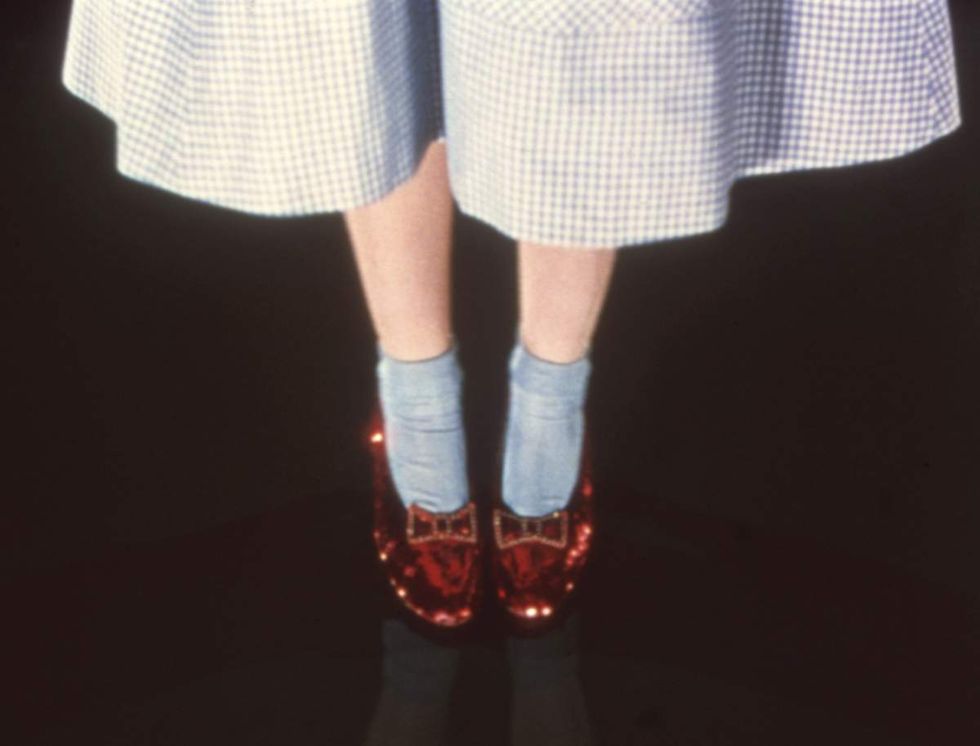
If you're a friend of Dorothy, what could be more iconic than Dorothy's ruby slippers? Multiple pairs were made for Judy Garland to wear in The Wizard of Oz, a common practice with important costumes and props. Only a few pairs are known to survive. One is at the Smithsonian Institution's National Museum of American History in Washington, D.C. Another is at the Academy Museum of Motion Pictures in Los Angeles, but is not always displayed. Some others are in private collections, and a replica pair, made for a Disney theme park attraction, is at the Wizard of Oz Museum in Cape Canaveral, Florida (the museum is moving to nearby Cocoa Beach next May).
Go to any major metropolitan area in the United States and you're likely to find a "gayborhood" — an enclave of LGBTQ+ residents and businesses that group together for both safety and support. Most of these neighborhoods have been around as long as the cities they reside in, and play a pivotal role in their history and culture.
Like all communities, many gayborhoods took a hit in 2020 due to the COVID-19 pandemic, and now face an increasing cost of living crisis that keeps residents and small businesses away. But they're not letting anyone drive them out — instead, they're waiting with open arms for their next visitor or their new neighbor.
Queer people have always found each other, so if you're looking to connect with your community on your next vacation, here are some thriving, historic gayborhoods you should consider visiting.
Greenwich Village, New York
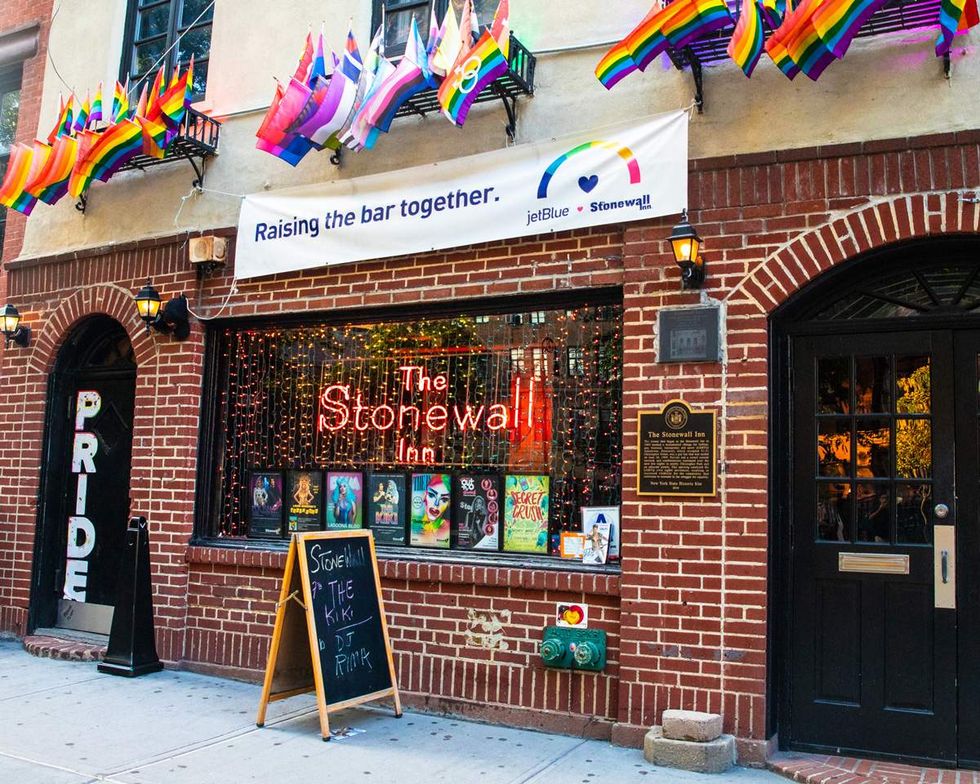
The Stonewall Inn in Greenwich Village, NYC
Little Vignettes Photo/Shutterstock
Greenwich Village, also known as the West Village or by its popular Christopher Street, is home to historic queer bars such as the Duplex and the Stonewall Inn, as well as the first National Park monument to acknowledge the fight for LGBTQ+ rights in the U.S.
The neighborhood was the site of the 1969 Stonewall Riots — protests in response to police raids of gay bars — which are widely credited as sparking the modern-day LGBTQ+ rights movement. The National Park Service under Donald Trump has since removed the "T" from the "LGBTQ+" acronym, as well as any references to trans people from the official Stonewall National Monument website.
Greenwich Village is still a community that refuses to go quietly, from protesting the Trump administration to hosting New York City's annual Pride celebration in June, and its annual Halloween parade in October.
Northalsted (formerly Boystown), Chicago
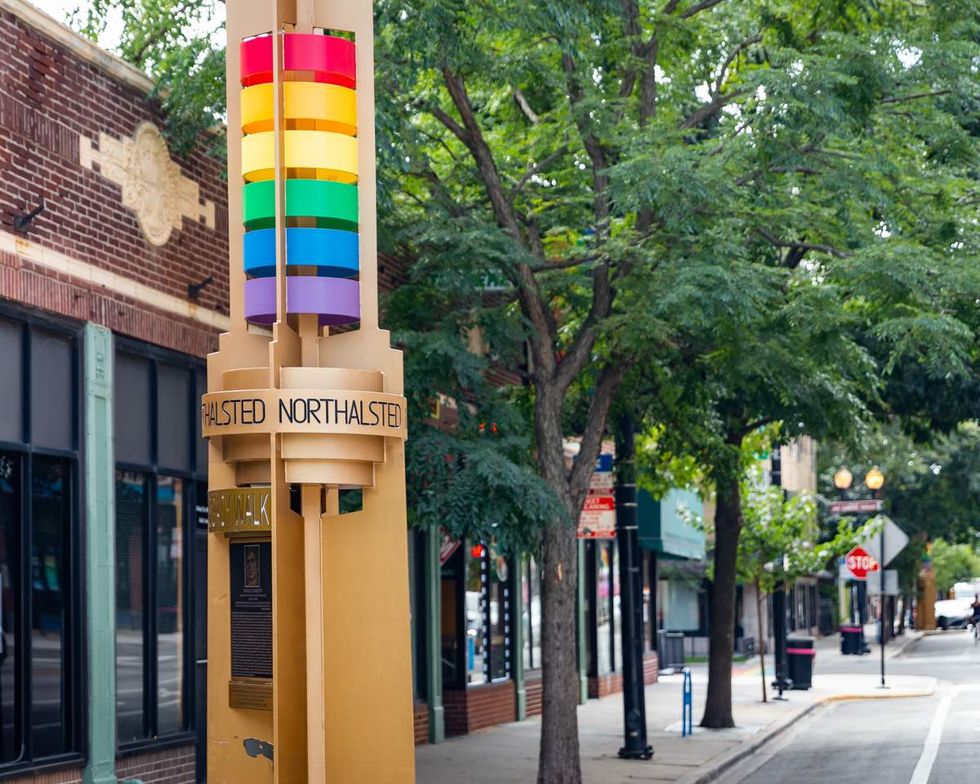
Chicago's Northalsted neighborhood, aka Boystown
Joseph Hendrickson/Shutterstock
Northalsted, formerly know as Boystown, is not only the most popular gayborhood in Chicago, but is also one of the most famous in the U.S. The North Halsted area is home to many bars and other businesses serving the LGBTQ+ community, as well as nonprofits including the Center on Halsted, Chicago's LGBTQ+ community center. The center hosts a popular street festival, Northalsted Market Days, and is on the city's annual Pride parade route.
The area had been informally known as Boystown since the 1970s, but was officially named as such in 1997 when Richard M. Daley, then Chicago's mayor, issued a proclamation. The Northalsted Business Alliance, the chamber of commerce for the neighborhood, announced the new name in 2020 after conducting a survey that found many felt the old gendered name was exclusionary.
Hillcrest, San Diego
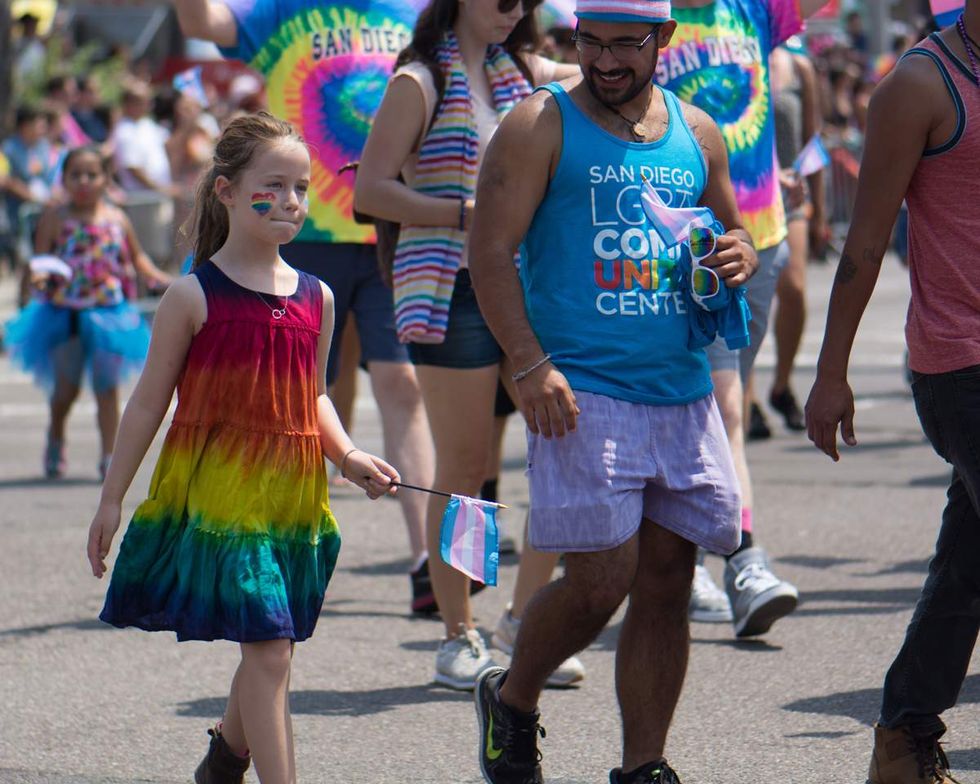
San Diego Pride Parade
Jilll Richardson/Shutterstock
Hillcrest in San Diego, California is home to numerous LGBTQ+ bars and is the site of the city's annual Pride parade. University Avenue is known for its diverse selection of restaurants and cafes, and Fifth Avenue for its second-hand and vintage clothing stores.
Hillcrest solidified its gayborhood status in the early 1990s when LGBTQ+ advocates fought to make sure the heavily queer neighborhood didn't get split into different municipal districts during a city redistricting effort. That resulted in the 1993 City Council election of lesbian Christine Kehoe, the first out official in the city, and the district exclusively electing LGBTQ+ politicians for the next 20+ years.
Fruit Loop, Las Vegas
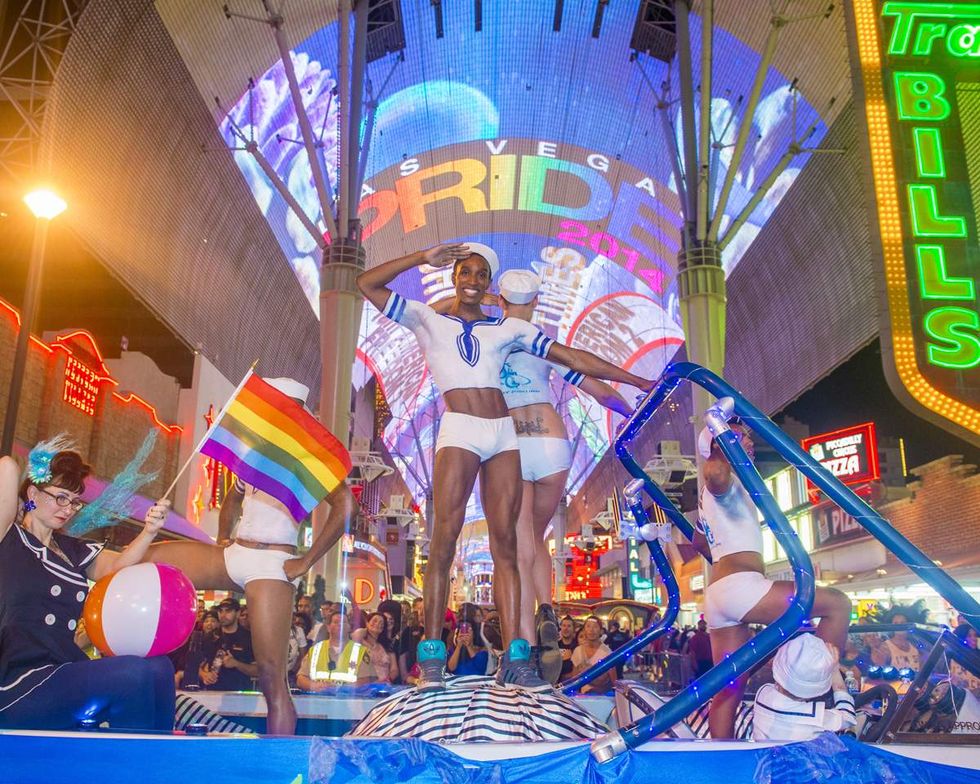
Las Vegas Pride Parade
Kobby Dagan/Shutterstock
The "Fruit Loop" in Las Vegas, Nevada earned its nickname from its string of LGBTQ+ clubs and restaurants in the Paradise neighborhood, which happen to form a loop shape. These spots include Piranha Nightclub QUADZ for those looking for a high-energy club atmosphere, and the Phoenix Bar & Louge for those seeking a more laid-back setting with pool and karaoke.
State Sen. Fabian Doñate introduced legislation earlier this year to declare the Fruit Loop a historic landmark, with the legislature approving the measure in June. Doñate celebrated in a post on Instagram, writing, "Since the 1950s, this vibrant corner of Las Vegas has been a home, a refuge, and a celebration of life and resilience. Today, we honor its legacy with the recognition it’s always deserved."
Asbury Park, New Jersey
Asbury Park Annual Pride Parade
Madison Swart/Shutterstock
This seaside city isn't just known for its boardwalks and beaches — it's also home to various LGBTQ+ bars, gay-friendly beach resorts such as the Empress and Fagabond, and New Jersey's largest LGBTQ+ advocacy group, Garden State Equality. (It also happens to be the home of musicians Bruce Springsteen, Jon Bon Jovi, and Southside Johnny and the Asbury Jukes.)
The city's LGBTQ+ roots date all the way back to the 1930s, when poets Margaret Widdemer and Timothy Felter opened a gay-friendly tearoom. Despite police raids on LGBTQ+ establishments, the neighborhood continued to grow throughout the 1970s thanks to queer people from Greenwich Village moving to the area in escape of New York City's high costs. It was the site of the state's first LGBTQ+ Pride parade in 1992 after organizers were rejected by several other cities.
Provincetown, Massachusetts
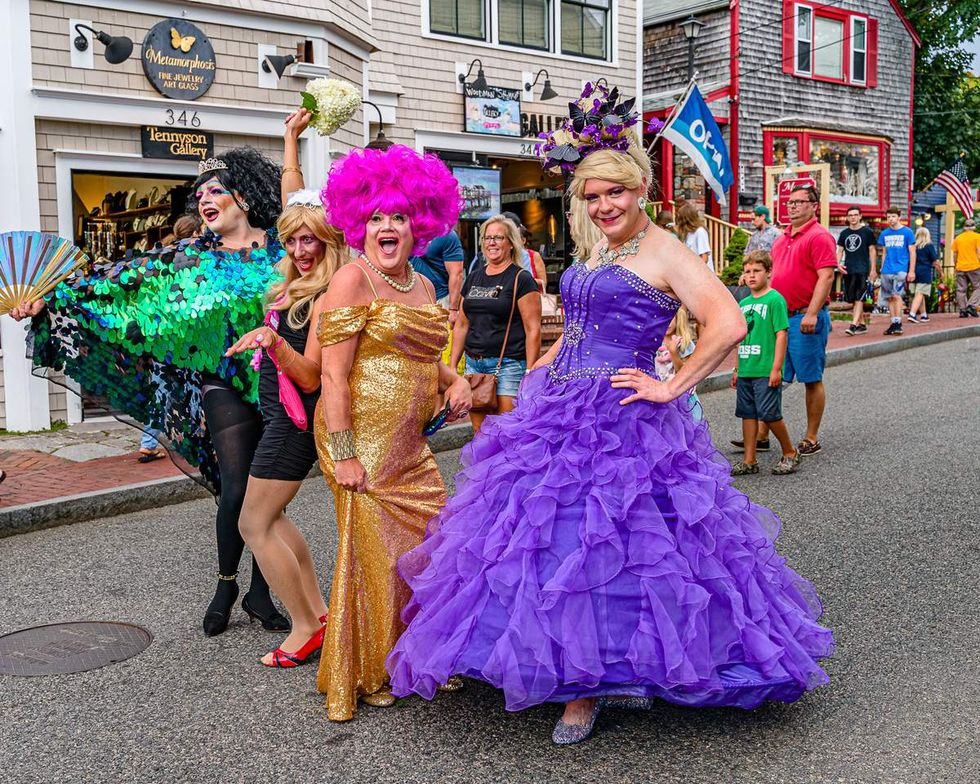
Provincetown's Carnival celebration
Vadim 777/Shutterstock
Provincetown, also known as "P-Town," is an ideal vacation spot from the warmer days of summer to the crisp nights of autumn, when its bright foliage is one of its main attractions. The Massachusetts haven is rife with historical attractions as well as natural beauty to behold, whether sailing on the water or hiking through the forest.
As artists' colonies developed in the area throughout the 1900s, experimental theater thrived. This led to drag performances in Provincetown as early as the 1940s, and a large gay population by the 1970s. The city began promoting LGBTQ+ tourism as early as 1978, which still plays a pivotal role in its economy today.