

































When I was living in Portland, Maine, studying for my master's degree, I had the privilege of making acquaintances with a Professor of Sociology at one of the local colleges. During my numerous discussions with the professor, I was struck by the novel conceptual distinction between place and space.
A conceptual lens that he encouraged me to use for viewing environments. A view that recognizes a clear distinction between a place and a space. Distilled down, space is an environment, neutral and unembued with any designation to the human spirit. Place is the cultural or emotional meanings imposed onto an environment by the human spirit. As this delineation between space and place was being made to me, the example given was the quintessential gay bar in a small town.
Due to the scarcity of safe spaces for the expression of queer individuals and the diversity within the LGBTQ+ community, the gay bar becomes a space granted place-hood in multiple different ways/expressions. "Leather daddy" bar in the early afternoon, moderately domesticated 'usual spot' for those in close alignment with heteronormative life-structures (the "happy-hour" place), and a wasteland of liberated sexuo-spiritual exploration from the time the sun goes down till it comes up again.
This perspective on an environment, with curiosity about how space becomes a place —unique in its spirit to each community, yet hollow and soulless when uninhabited —became incredibly engaging as a way to view the myriad spaces we inhabit and the interactions between people.
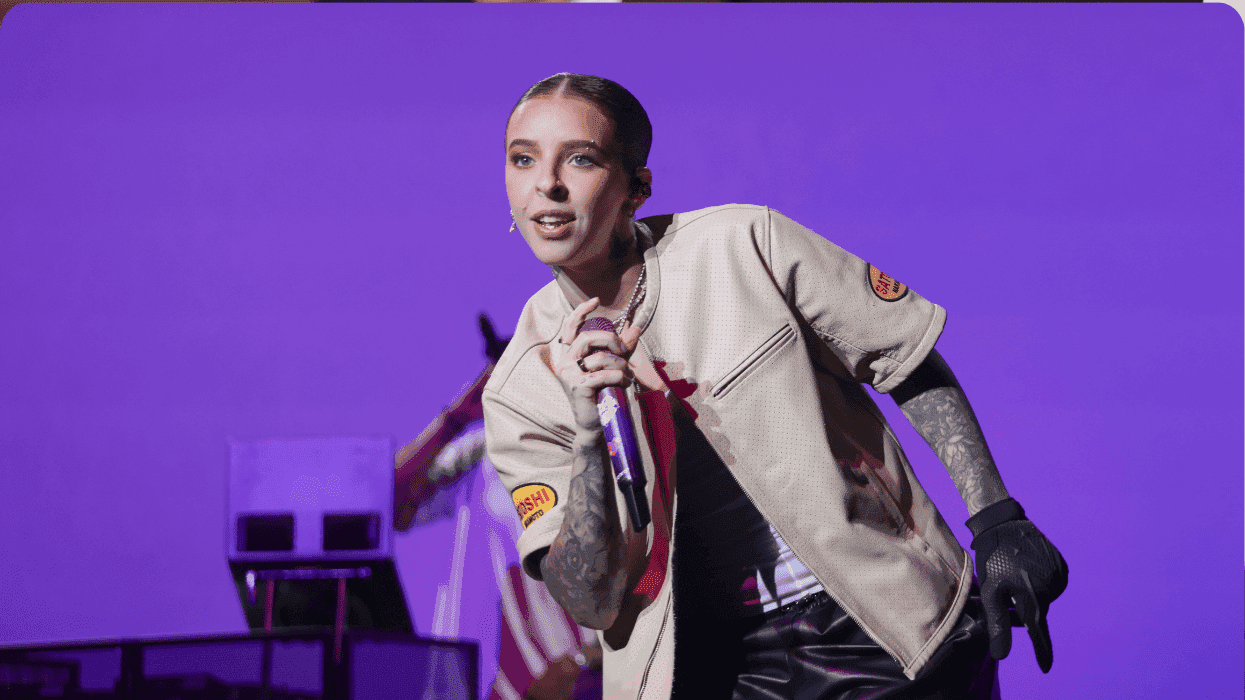
In the years since leaving Maine and ending my discussions with the Professor, I have become a huge Charli XCX fan. An artist, whom I would have written off as not being a "serious artist" a decade ago, now evokes immense emotions in me both cognitively and kinesthetically.
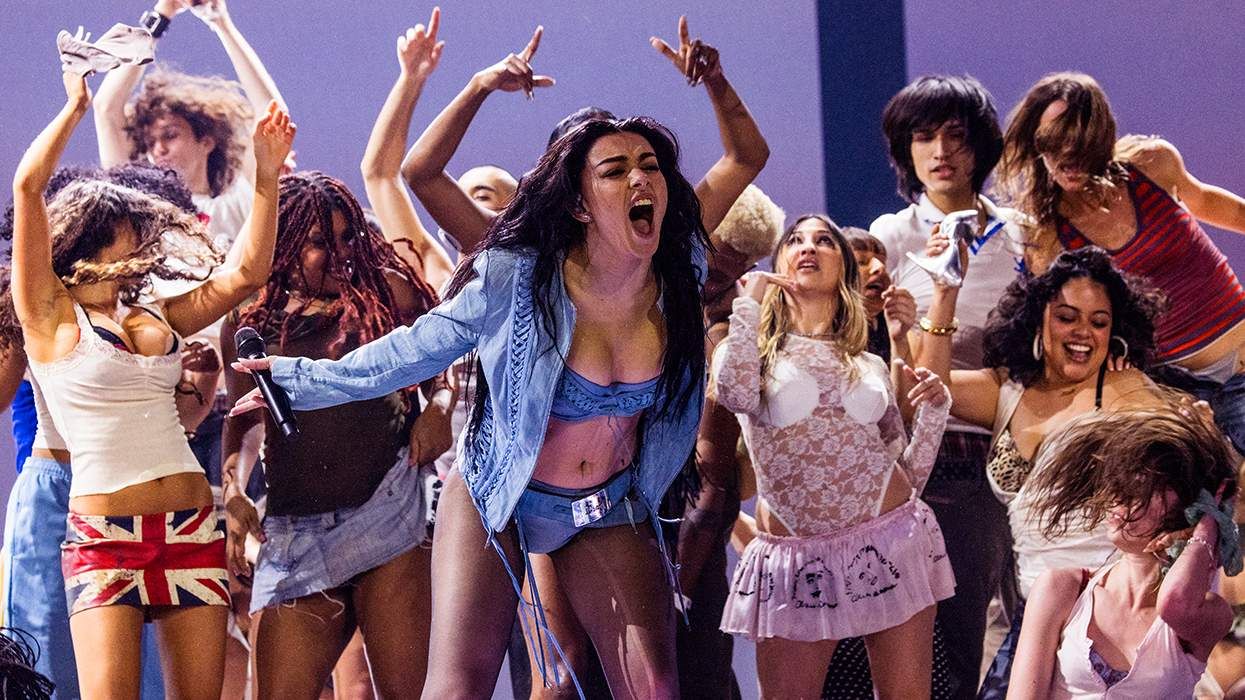
In all of Charli's work, a recurring theme is the party. A phenomenological experience that, to Charli, has become a medium for vulnerability, in the same way the hidden diary of the proverbial American teenager is a place for theirs. Among queer communities, especially historically throughout times of strife, queer individuals used "partying" as a sort of communion around the self, sexuality, and mourning the lost. A party in queer space is: rebellion, funeral, rebirth.
During the Stonewall riots and the AIDS epidemic, queer activists would rally during the day, bury their lost community members in the afternoon, and revitalize their souls through the shared spiritual experience of "crying in the club" by dancing at night. At a party, the queer community creates a space. This is the interpretation and expression that Charli intends to employ in her creative works regarding the use of party.
Reflecting on the shift in my interest in Charli's music, I realize it is closely tied to the cultural norms in which I was raised, which helped me understand the phenomenon of a party. In many of Charli's works, the interpretation and expression of party is expansive. Charli's applications of party echoes those of queer culture. Take, for example, her dance-pop ballad, "Party 4 U." The focus is on creating a curated and intentionally designed self with the intention of being engaged with in a meaningful way. Ultimately, however, the song culminates in a sense of rejection and self-doubt when they fail to attend her party.
Growing up at the tail-end of the millennial generation, I was in my formative developmental years when "recession pop" was sweeping the United States. This interpretation of the party emphasized escapism and avoidance. The party at this time became synonymous, to me, with excess and existential anxiety.
Partying instilled in me at this time was YOLO ("You only live once," to the uninitiated). We drank fast, took risks, and never wanted this moment to end. Themes of this nature permeated my interpretation of what party meant to society, community, and the human spirit. As I have aged, I've curbed many of the behaviors I adopted in adolescence out of a desire to adhere to the recession-pop era image of a partier culturally.
Yet there is still a longing for the communion of sweat, sound, sexuality, and spirit.
I have shifted away from party as a prescriptive experience. In my youth, parties and places were tied to the space and consumable objects. The transition into respecting the spiritual and cathartic potential that the party can offer, beyond capitalism and consumer-based messaging, has brought profound value to my life.
I think for Charli, the party has always been a place. For me, the party was always a space where cultural norms would fill in, with no need for integration of self or emotional ranges that fell outside the marketed image of the party. But I am learning that party lives in the soul and is an expression, and there's no one way to have a good party.
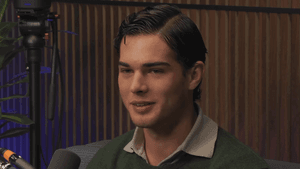
 Connor McSweeneyCourtesy Pictured
Connor McSweeney is a clinical social worker in the state of Montana. Connor is currently working on a collection of essays under the working title of "The Rat Tail Manifesto."
Perspectives is dedicated to featuring a wide range of inspiring personal stories and impactful opinions from the LGBTQ+ community and its allies. Visit Pride.com/submit to learn more about submission guidelines. We welcome your thoughts and feedback on any of our stories. Email us at voices@equalpride.com. Views expressed in Perspectives stories are those of the guest writers, columnists, and editors, and do not directly represent the views of Pride or our parent company, equalpride.