









































Twenty-seven years ago, one of the most publicized and tragic anti-LBGTQ hate crimes in our nation's history broke the hearts of the LGBTQ+ community and allies alike.
On October 7, 1998, Matthew Shepard, a 21-year-old gay college student, was horrifically attacked because of his sexual orientation. His body was tied to a fence in the countryside of Wyoming, as if it were a sign of homophobic triumph to be put on display. Five days later, Matthew died.
Cause of death: Homophobia. Hate. Violence. Bigotry.
Matthew's death became a stark and gruesome reminder of the queerphobia and hate that exists within our nation, a nation that prides itself on its promises of equality and the unalienable right to life for all. In the years to come, legislation and foundations would be established in Matthew's name, promising an equal, safe, and free future for LGBTQ+ Americans.
Seventeen years after we lost Matthew, forty-nine LGBTQ+ and allied lives were taken in Orlando at Pulse nightclub during Pride month. At the time, this was the worst mass shooting in American history, and it remains the most deadly recorded LGBTQ+ hate crime to ever occur in the United States. Community members painted a crosswalk outside of Pulse in rainbow colors as a reminder of the lives lost the following year, as a sign of queer resilience.
Jump forward to August of this year. Governor Ron DeSantis of Florida, with support from the Trump administration, ordered the rainbow-painted memorial removed and had the crosswalk repainted to its original, lifeless asphalt color. DeSantis cites a rainbow-painted crosswalk as creating safety concerns for drivers. But critics say this is a political move motivated by conservative and Trump-era attacks on LGBTQ+ rights.
Elected officials in Florida, the federal government, and elsewhere across the board are making it abundantly clear that they will not be mourning for the victims of homophobia and transphobia. They are making it clear they do not want us to remember.
What does this say about the trajectory of our nation in the years to come? What happens when the following Matthew Shepard-like case pops up on the news? What happens when the next LGBTQ+ nightlife venue is shot up? How will our government respond? How will we respond as Americans?
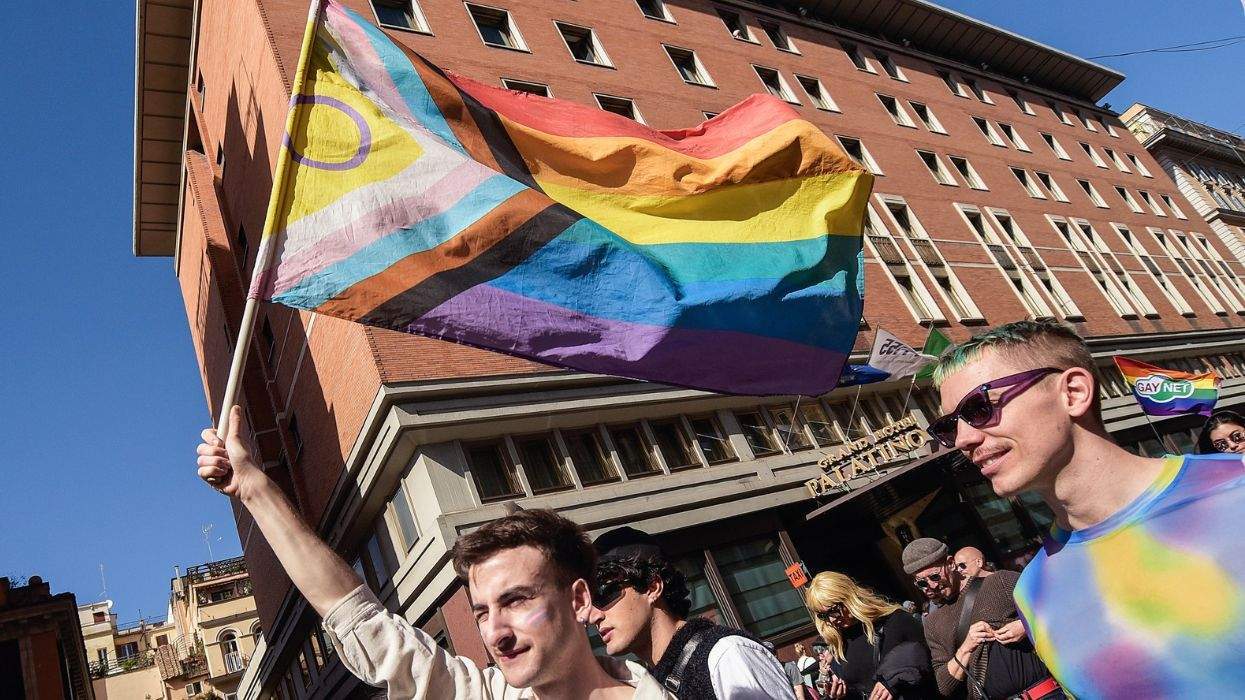
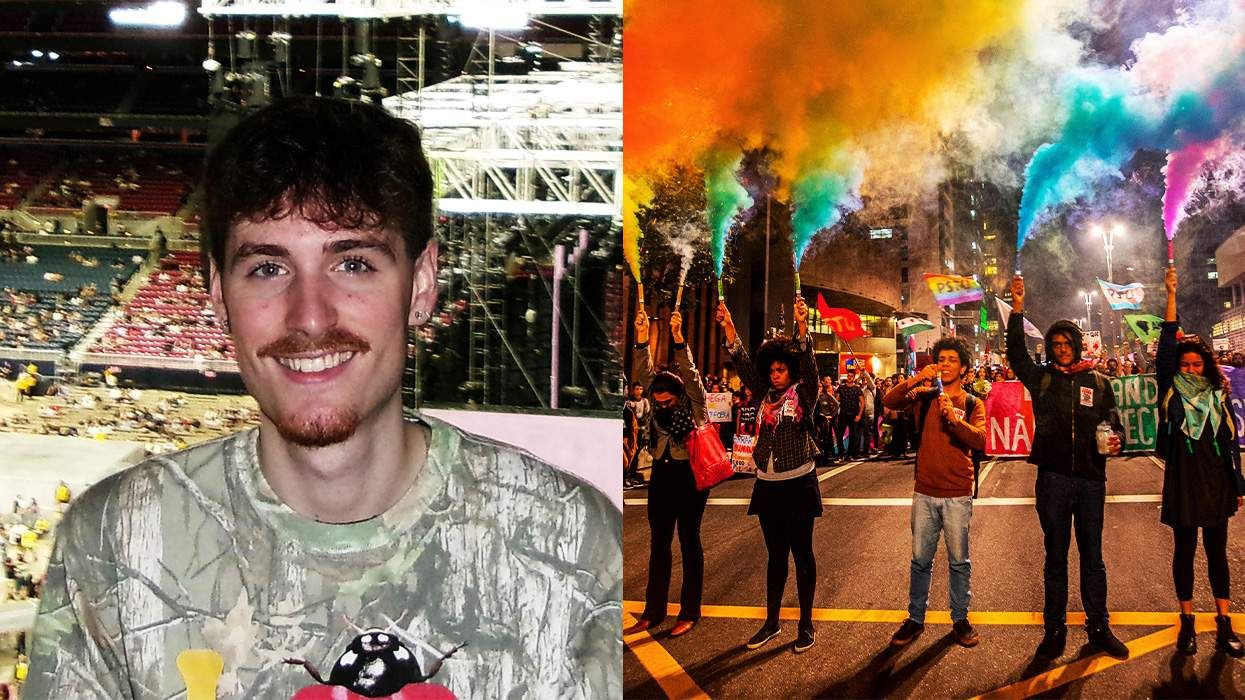
These questions are more essential than ever. Before the next major LGBTQ+ hate crime unfolds, we have a responsibility to put pressure on our elected officials to support our LGBTQ+ community, condemn anti-LGBTQ+ violence, and those lost to queerphobia. We also have a responsibility in our communities to remember their lives and to make sure that nobody forgets. Say their names, paint your rainbows, wave your Pride flags, kiss your lover in public, all of that.
To Ron DeSantis and the Trump administration: You can wipe away our crosswalk, but you cannot wipe away our history, pain, love, or existence.
To Matthew Shepard, the Pulse nightclub victims, and all others we have lost to bigotry and anti-LGBTQ+ violence, rest in power. We miss you. And we will not forget you.
Sam Clark is a graduate student of sociology at the University of Nebraska-Omaha, with research interests in social justice and LGBTQ+ studies.
Perspectives is dedicated to featuring a wide range of inspiring personal stories and impactful opinions from the LGBTQ+ community and its allies. Visit Pride.com/submit to learn more about submission guidelines. We welcome your thoughts and feedback on any of our stories. Email us at voices@equalpride.com. Views expressed in Perspectives stories are those of the guest writers, columnists, and editors, and do not directly represent the views of Pride or our parent company, equalpride.