




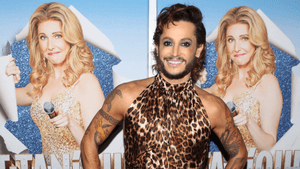





















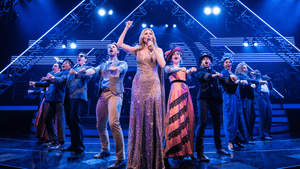


Evocative. Spooky. A standalone in the rock opera canon. It's Rocky Horror Picture Show, a cult classic film celebrating 50 years of cultural impact. But as we celebrate its legacy with screenings and shadow casts, it would be dishonest to dance around an obvious truth: Rocky Horror Picture Show is a subversive film we wouldn't dare to make today.
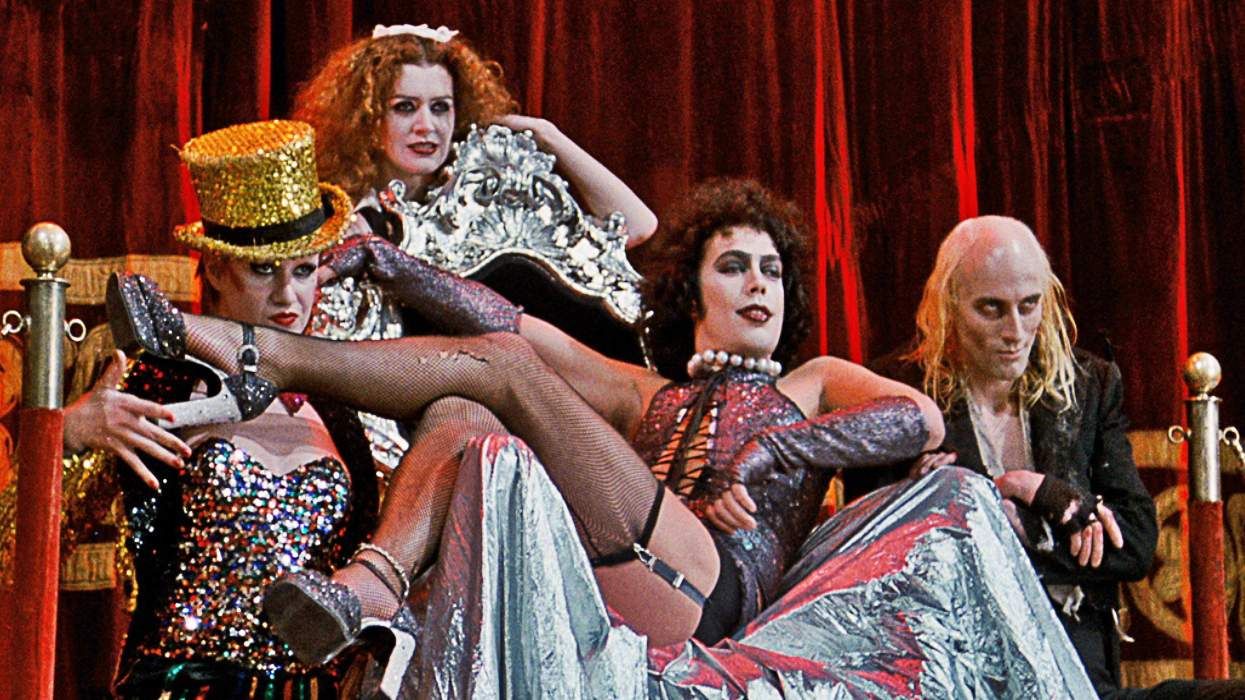
The Rocky Horror Picture Show flopped at the box office, but slowly gained a cult following through raucous midnight showings. The story follows buttoned-up couple Brad and Janet, who have embarked on a celebratory road trip. They meet Frank-N-Furter, a parody of Mary Shelley's Dr. Frankenstein, introduced by the epic song "Sweet Transvestite," a drag anthem illustrating his alien planet home: Transexual, Transylvania. Our antihero is a gender-bending alien donning fishnets and leather, a stark contrast to the conventional couple. Brad and Janet experience a transformation as their journey unfolds in Frank's orbit. Janet embraces newfound sexuality as she seduces Rocky with the solo "Touch-A, Touch-A, Touch ME" and Brad trades his Oxford shirt for a feather boa.
Rocky Horror may seem like underground cinema, but 20th Century Fox was the major studio behind it. The studio was later absorbed by Disney in 2019, meaning the "House of Mouse" now owns the rights to the irreverent cult classic.
Why does Disney's ownership matter?
In recent years, there have been accusations that Disney nixed "woke" content to pacify conservative backlash over queer themes in programming. Notably, the media giant scrapped a trans storyline from the animated Pixar project Win or Lose and also canceled several Disney+ shows featuring queer leads or themes. While Disney has continued to distribute queer films under subsidiary brands like Hulu, CEO Bob Iger has publicly stated his desire to step back from entertainment perceived as political.
So where does a gender-bending, rebellious rock opera fit beneath the Disney umbrella?
The truth is, Rocky Horror's politics haven't changed. The film has always been about blurring norms. America's cultural conservatism, particularly around its treatment of queer topics in mainstream media, has become more organized and outraged.
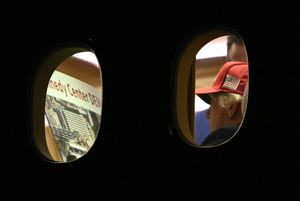
In a February 2025 Truth Social post about the Kennedy Center, President Trump declares, "NO MORE DRAG SHOWS, OR OTHER ANTI-AMERICAN PROPAGANDA." This presidential proclamation isn't a one-off; it's part of a larger campaign against the same themes once tolerated as camp in the 1970s. From a modern culture war lens, some may view Brad and Janet not as liberated, but corrupted by Frank-N-Furter. The film's commentary on liberation and identity, if Disney were to greenlight the same project now, might be overshadowed by moral panic and boycott labeling its subversive themes as "woke" propaganda promoted by Disney.
Systematic book bans, anti-drag legislation, and other attempts to censor marginalized Americans in media back this notion.
The shifting cultural landscape is why Rocky Horror's fiftieth anniversary is so monumental. In a world that stifles subversive art with moral outrage, the cult classic still feels risky and fresh. Half a century later, Rocky Horror dares us to ask: what films are allowed in a polarized America? Can major studios like Disney challenge the status quo while operating in fear of backlash?
Rocky Horror isn't just popular because it's fun; it's popular because the story's reflection on the universal desire to have a home where we feel seen resonates with many. Even if that home is a haunted castle. Frank-N-Furter is an empowered outcast, and his existence matters to people whose identities have been politicized in modern-day America.
When we celebrate the film, we celebrate belonging.
What kind of art will we commemorate 50 years from today? If we have the courage, it can be as rose-colored, operatic, challenging, outlandish, and essential as Rocky Horror Picture Show.
Jack MacDonald is a Boston-based writer, overdose prevention advocate, and graduate student at Harvard. He has been published in Out and the Wall Street Journal.
Perspectives is dedicated to featuring a wide range of inspiring personal stories and impactful opinions from the LGBTQ+ community and its allies. Visit Pride.com/submit to learn more about submission guidelines. We welcome your thoughts and feedback on any of our stories. Email us at voices@equalpride.com. Views expressed in Perspectives stories are those of the guest writers, columnists, and editors, and do not directly represent the views of Pride or our parent company, equalpride.