













If you or someone you know is experiencing domestic violence, help is available. Call the National Domestic Violence Hotline at 1-800-799-7233 (SAFE), text “START” to 88788, or visit thehotline.org for confidential, 24/7 support.
For six years, I lived in the shadows of an abusive relationship with a man the world celebrated as a scholar, musician, and elder in the Church of God in Christ, one of the largest Black denominations in the world.
Now I'm breaking my silence: for myself, and for others like me.
In 2018, I didn't fall for him; he hooked me with lies about who he was and even his age. He was a church musician, a prolific scholar, and a respected elder. To the outside world, he was admirable. To me, he became my abuser. In 2023, we eloped in Las Vegas. The marriage was hidden from his family, the church, and even many of our friends. That secrecy spoke volumes about insecurity, masculinity, and the double life he lived.
The following year, I was divorced and holding a domestic violence restraining order against him.
My abuse wasn't physical, at least not at first. It was the kind that leaves no visible scars: relentless gaslighting, manipulation, and emotional control so suffocating it drove me into a mental hospital. Later, the abuse escalated. After I fled Houston, Texas, for safety in Merced, California, he flew across the country to stalk me. I feared for my life when he grabbed me in public. I didn't know if I was about to be stabbed, strangled, or dragged away.
I filed for divorce within weeks of arriving in California. Then came the police report and, finally, the restraining order. It looked like closure on paper. But trauma doesn't vanish when the ink dries. I would see his image celebrated online after we cut ties. People called him a "king," but they didn't see the shadows. And, for months, he stalked me on social media, watching, taunting, leaving a digital footprint that kept me trapped in fear.
This is what people often don't understand about abuse: it isn't always broken bones. Sometimes it's broken minds. And sometimes the people who cause the deepest wounds are the ones society admires most.
My ex wasn't just a church elder and musician. He had once been accused of unethical misconduct as a professor, including inappropriate conduct toward a former doctoral student and financial mismanagement, leaving him blacklisted from one university. He later resurfaced as a higher education administrator at an HBCU, only to be fired and move to another. Community service, generous gifts, praise, and worship covered his pattern of exploiting others.
But beneath the masks, I realized the chilling truth: I was living with a criminal.
Still, society doesn't want to hear that men can be victims. We're told to "man up." We're mocked, doubted, or dismissed: "You're bigger than him. You should've fought back." My abuser even tried that argument in court. Thankfully, the judge saw through it. But too often, survivors like me aren't believed.
As a Black man, I carried the added weight of toxic masculinity in my community; the unwritten rule that vulnerability makes you weak. Admitting I was abused felt like betraying my manhood. But the truth is simple: men are human, too. And humans can be broken.
And like Whitney Houston once sang, "You can't take away my dignity." I had to relearn how to love myself. That has been my most significant act of resistance.
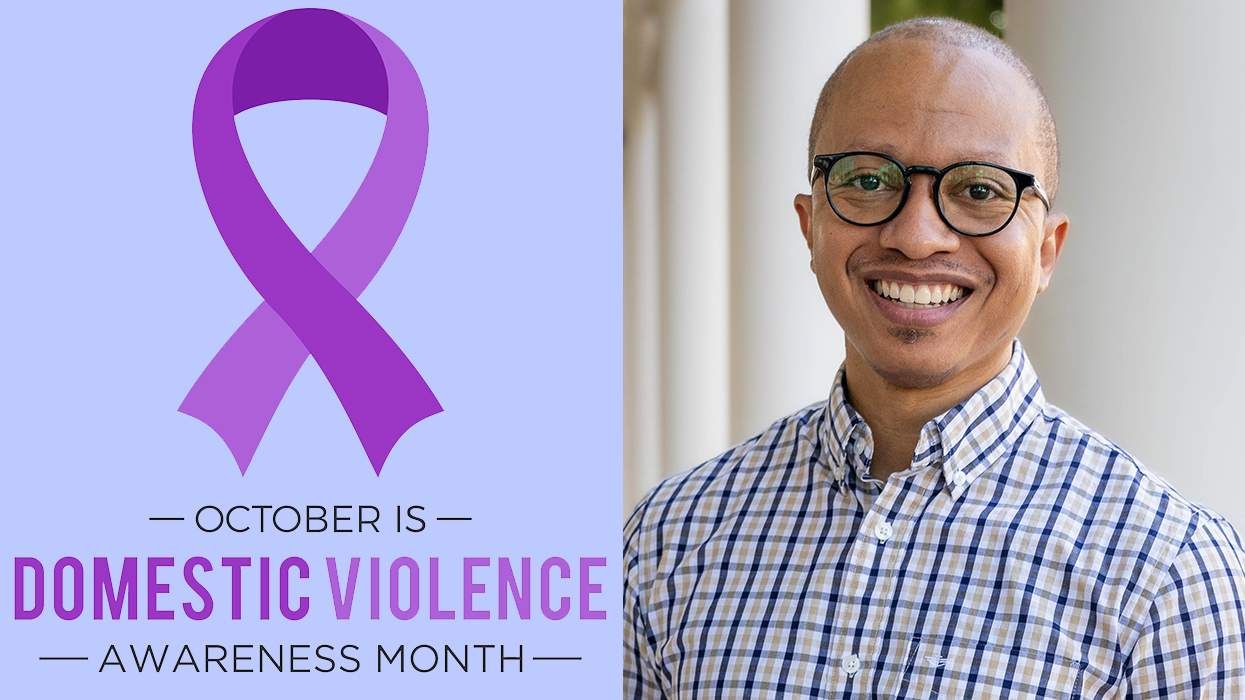
Domestic Violence Awareness Month reminds us of the lives lost and the survivors who endure. It's time to recognize that survivors don't all look the same. Some look like me. I am not a victim. I am a victor.
And my story will no longer live in the shadows.
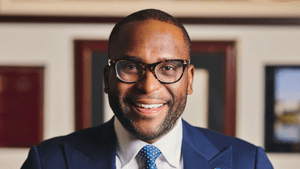
Dr. Clarence McFerren II is an assistant professor of performing arts education and a domestic-violence survivor whose work explores belonging, mental health, retention, and liberation through the arts.
Perspectives is dedicated to featuring a wide range of inspiring personal stories and impactful opinions from the LGBTQ+ community and its allies. Visit Pride.com/submit to learn more about submission guidelines. We welcome your thoughts and feedback on any of our stories. Email us at voices@equalpride.com. Views expressed in Perspectives stories are those of the guest writers, columnists, and editors, and do not directly represent the views of Pride or our parent company, equalpride.