


































If there is one truth that unites queer people across the globe and throughout time, it’s that we are here, there, and everywhere. In some places, that existence is out, proud, and in full view; in others, we exist in more discreet and hidden ways. It’s one of these latter examples that Jaripeo, a new documentary from directors Efraín Mojica and Rebecca Zweig, which screened at the 2026 Sundance Film Festival, seeks to reveal.
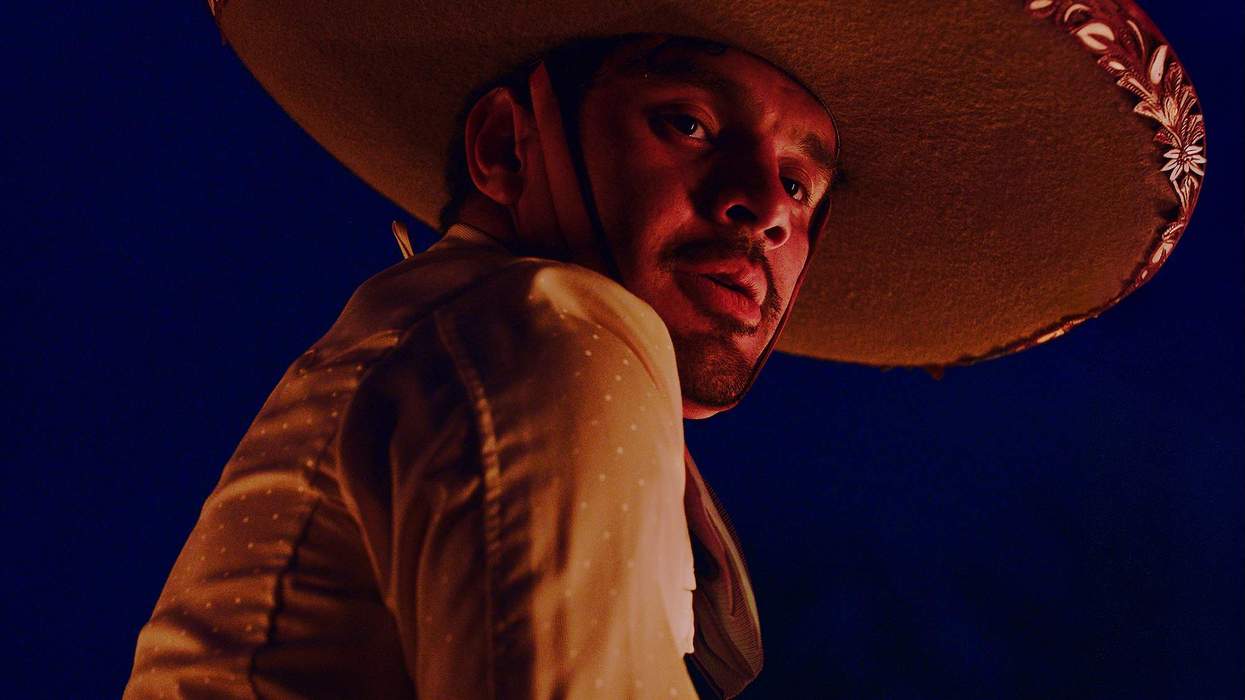
The film takes place in the Mexican state of Michoacán and takes its namesake from the rural rodeos that serve as annual gatherings and celebrations for people in the region.
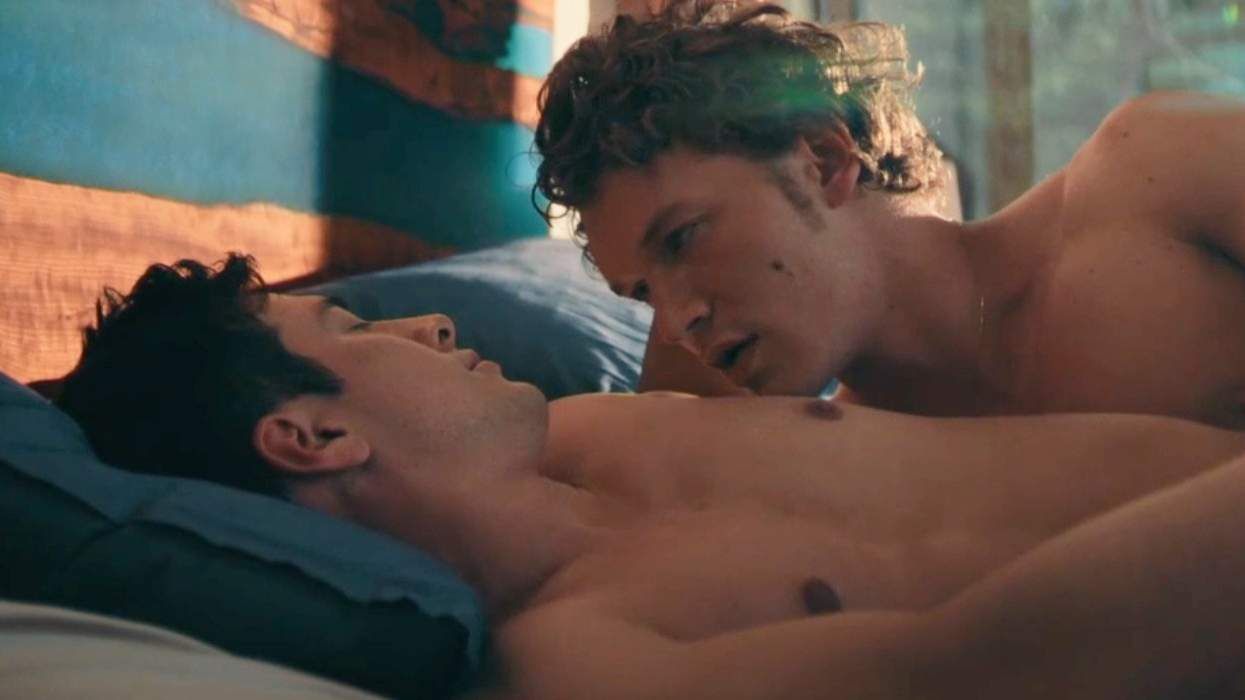
These events are displays of hypermasculinity, with men riding bucking bulls through the ring—or where failing to do so, will earn them a litany of homophobic slurs. But they are also opportunities for revelers to come together and party. To bask in a bacchanalia. And among those partygoers are gay men who slip off quietly into the surrounding areas for clandestine rendezvous and sexual exploration.
It’s a world few see, but Jaripeo attempts to reveal in both depiction and mood.
Our view into this world comes through introductions to some of the men who inhabit this liminal space, the standout being Noé, a soft-spoken rancher who eschews deeper relationships in favor of solitude and brief sexual encounters in nearby cornfields.
The approach is experimental, often dreamlike, and reflective. It’s immersive and atmospheric, if at times frustratingly opaque. Visually, the film is lush and seductive, though always tinged with a pervasive sense of melancholy.
Ultimately, the result is a film that is quite beautiful and intriguing, teasing a largely unseen world—but rather than delving deep, it remains on the surface, just out of reach, offering a kaleidoscopic peek into lives rarely shown on screen.

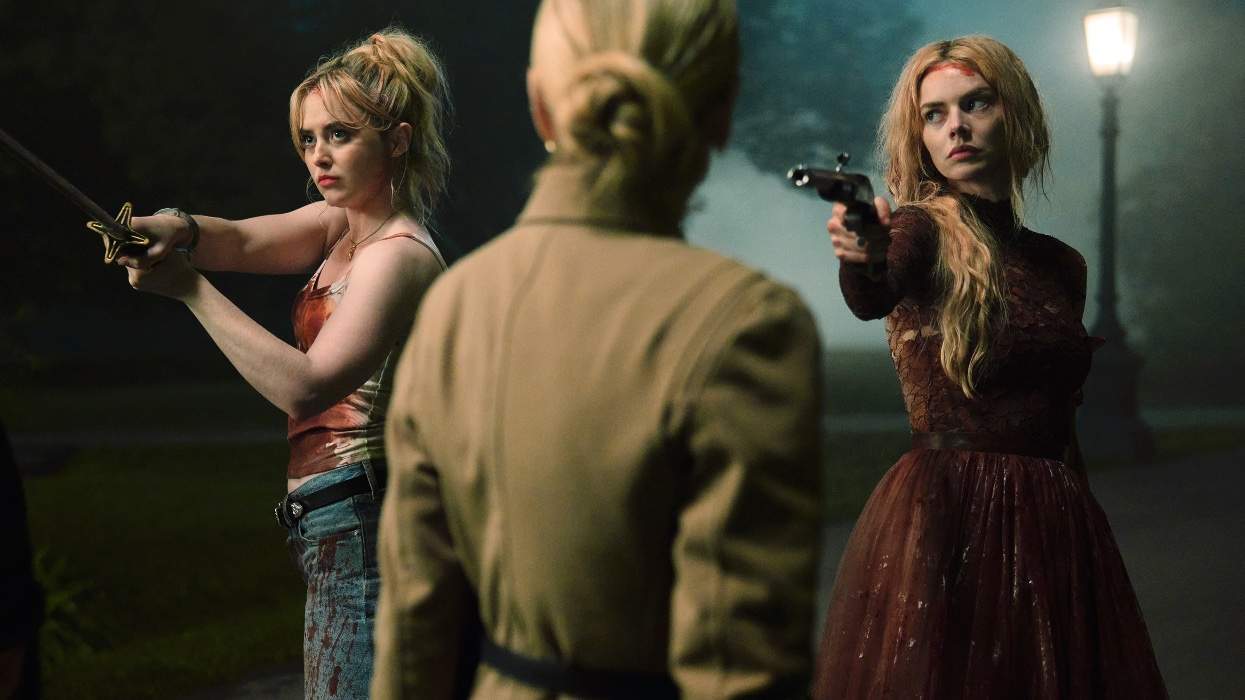
 Samara Weaving and Kathryn Newton.Searchlight Pictures/Pief Weyman
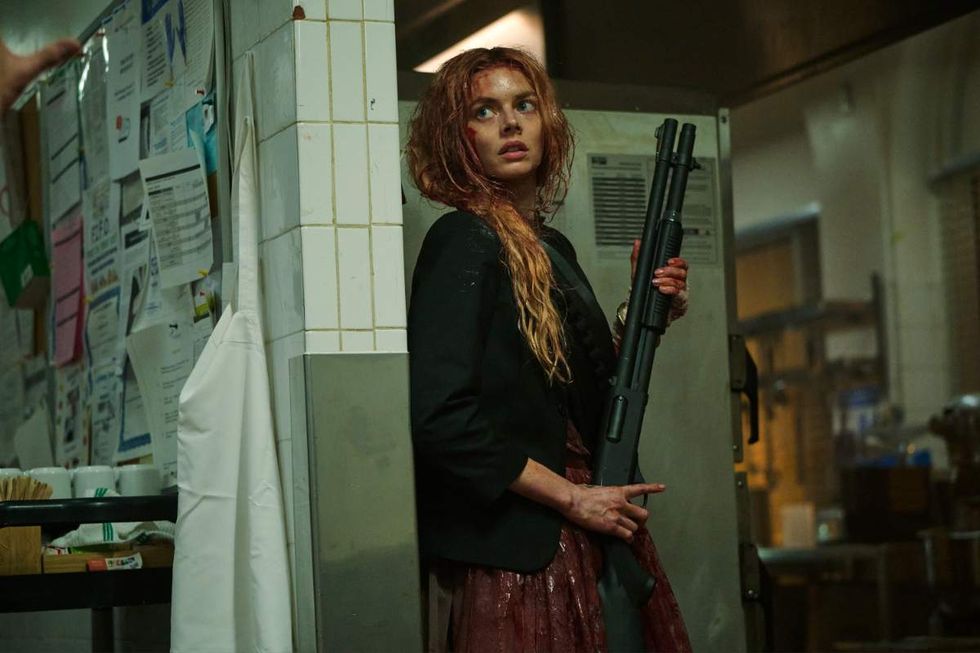 Samara Weaving.Searchlight Pictures/Pief Weyman
 Nestor Carbonell, Sarah Michelle Gellar, Shawn Hatosy, Elijah Wood, and Nadeem Umar-Khitab.Searchlight Pictures/Pief Weyman
 Daniel Beirne, David Cronenberg (portrait) Shawn Hatosy, and Sarah Michelle Gellar.Searchlight Pictures/Pief Weyman
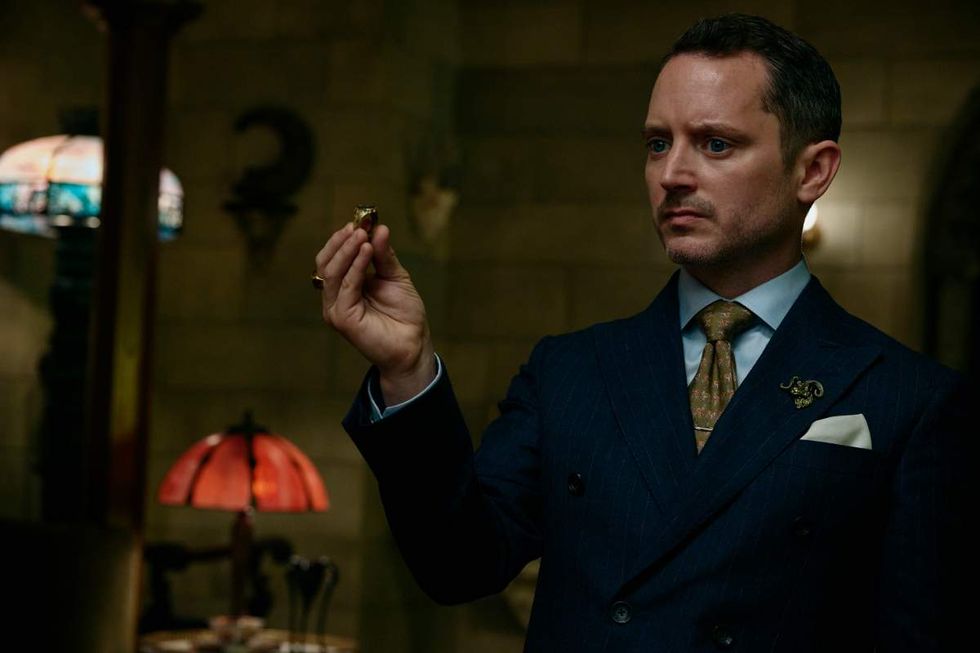 Elijah Wood.Searchlight Pictures/Pief Weyman
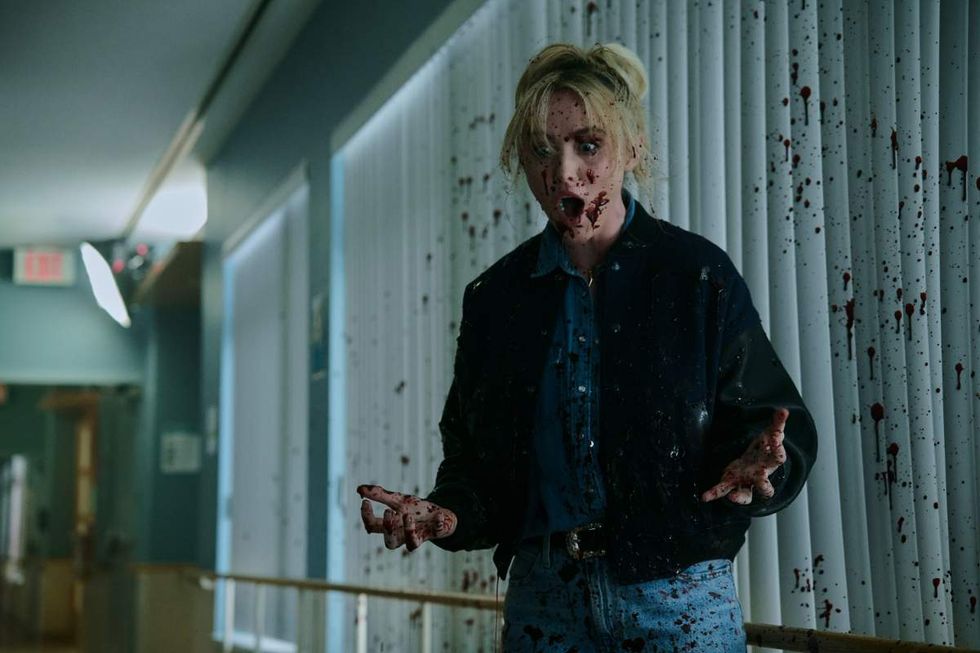 Kathryn Newton.Searchlight Pictures/Pief Weyman