









































It’s Bisexual Awareness Week, and one of the most popular shows featuring a bisexual character came to its much-hyped end (for now). And I have thoughts.
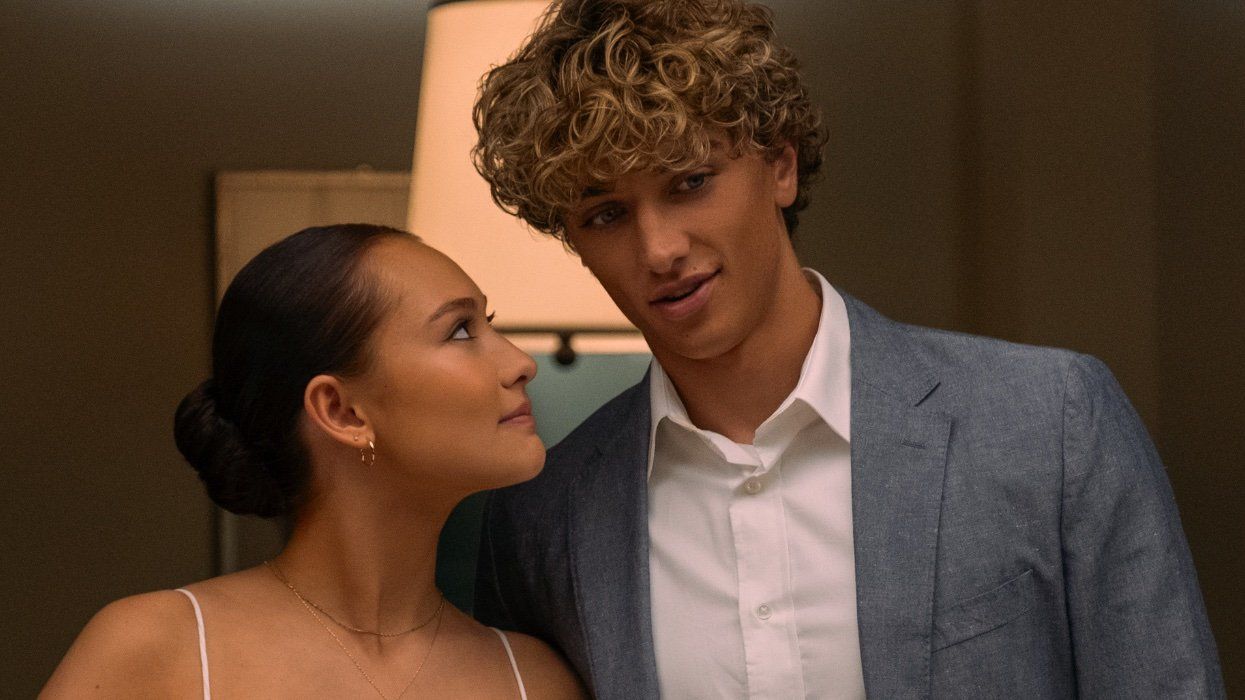
It was impossible to open social media this week and not see The Summer I Turned Pretty discourse all over your timeline — and it’s understandable why. For years, audiences have been invested in the story of teenage Belly (Lola Tung) trying to determine which one of a pair of brothers, Conrad and Jeremiah Fisher (played by Christopher Briney and Gavin Casalegno, respectively), she’d spend the rest of her life with.
Despite this seemingly straight premise, the show has garnered a huge LGBTQ+ fanbase — not only for the drama at its center but also because multiple characters identify as queer. Well, most of the time. The series technically features a bisexual character in its main cast. Jeremiah is bisexual, a change from the Jenny Han book that inspired the series. However, the show refused to ever acknowledge this core aspect of him outside of the occasional joke.

Jeremiah (Gavin Casalegno) in The Summer I Turned Pretty
Prime Video
It did make strides, though, with the introduction of a nonbinary character, Skye (played by nonbinary actor Elsie Fisher), in the second season. Skye, the cousin of the Fisher brothers, sadly did not return for the third season.
It’s always amazing to see LGBTQ+ representation on television. But when it comes to The Summer I Turned Pretty, this series commits the cardinal sin of portraying queer characters in a healthy and informative way: it’s performative.
LGBTQ+ fans were excited in season 1 when it was revealed that, in a major departure from the source material, romantic lead Jeremiah was bisexual. They applauded this approach to inclusion. Rather than some embittered coming-out journey, Jeremiah is already out when the series begins, and his identity is accepted by everyone around him. Belly even discovers his bisexuality at the same time as viewers when she stumbles upon him kissing another boy at a party. It was a refreshingly modern portrayal, and queer viewers were eager to see how this change would impact the story — and then they were confused. Because not only is Jeremiah’s sexuality rarely brought up again, the program seemed determined to treat it as a funny gimmick rather than an actual part of his identity.
Aside from a few throwaway comments, after that kiss, TSITP tries its hardest to treat Jeremiah’s bisexuality as a goofy part of his past rather than a core aspect of who he is. In some ways, it’s understandable; this story is focused on Belly’s romance with him and his brother, Conrad, so it wouldn’t make sense to devote ample time to his interest in others. Yet while the show didn’t have to focus solely on Jeremiah’s identity, its refusal to engage with this part of him made fans wonder why they introduced such a big change at all.

Luke (Macoy Stewart), Jeremiah (Gavin Casalegno) in The Summer I Turned Pretty
Prime Video
Even more disappointing, the show saddles him with bisexual stereotypes. Not only does it portray him as selfish and unfaithful — harmful tropes this community has been fighting against for years — but his attraction to men disappears the moment he falls for a girl. TSITP treats bisexuality as an unserious quirk rather than an identity, using it for the occasional joke but ignoring it the moment it could impact the narrative. This issue comes into sharper focus with the season 2 character, Skye.
In many ways, Skye is actually a positive example of LGBTQ+ representation. Introduced in the show’s second installment, their nonbinary identity was presented as casually accepted as Jeremiah’s bisexuality. There was real potential here, which is why it was hard to see them disappear in season three.
Skye’s quiet removal from The Summer I Turned Pretty’s final season encapsulates the program’s major issue with queerness: it sees it as a tool, not as an identity. The show’s disposal of Skye and the erasure of Jeremiah’s bisexuality highlight its tendency to use LGBTQ+ identity as set dressing rather than meaningful parts of its story. These characters are used as plot hooks to draw audiences in, but the instant the series would actually have to explore how these identities impact the story, they’re forgotten in favor of more typical, heteronormative themes.
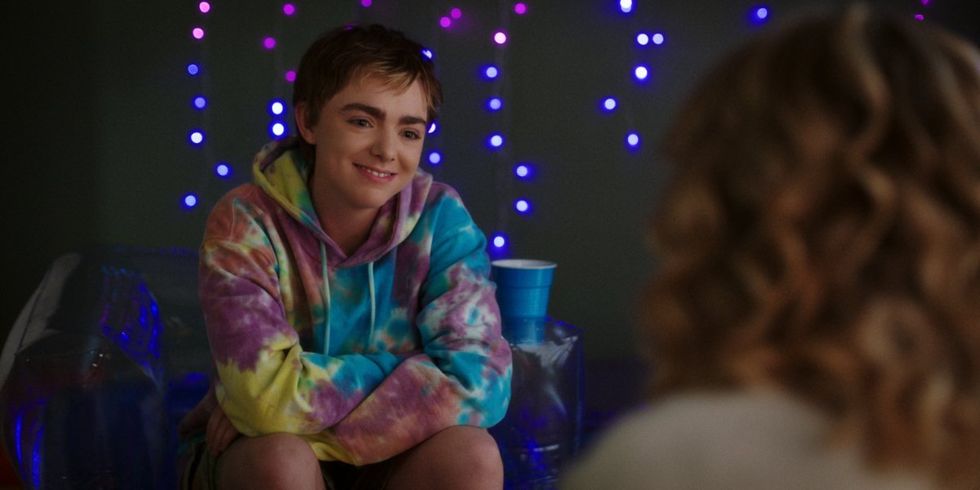
Skye (Elsie Fisher) in The Summer I Turned Pretty
Prime Video
While The Summer I Turned Pretty mishandles its queerness, it does have its bright spots. The casual approach to LGBTQ+ identity emphasizes that members of this community are not some strange “other,” and Skye’s experiences with independence and romance offered a nuanced depiction of the nonbinary experience. All of which make its missteps even more bittersweet.
In removing Skye and acting as though Jeremiah’s bisexuality never really existed, TSITP calls itself out, revealing these choices as gimmicks rather than legitimate attempts at representation. Since the finale, Amazon Studios has announced that while the series has concluded, a movie directed by Han is on the way to wrap up the story. Which means they have one more chance to get it right — and give the series’ queer and nonbinary characters the representation they deserve.