






















In the United States, the last few decades have seen a rise in division along partisan lines. The main casualty of this polarization has been rational discussion of social and "culture war" issues, as many typical economic and political concerns have been cast aside.
Instead of discussions about fiscal policy, economics, and taxes, modern discourse stokes fears about already marginalized groups and urges conformity through the erosion of personal rights at the federal, state, and local levels. Critical race theory, the ostracization of immigrants, and LGBTQ+ rights have become increasingly popular in recent memory.
Aside from the toxicity levied at marginalized groups, the problem with the rhetoric spewed from extreme right-wing pundits regarding many social issues is that they are successful in treating and labeling people as different. Once you label a group – whether it be a political party, race, gender identity, or sexuality – as other, it is incredibly easy to view them as lesser. This superiority complex suggests that people overestimate their own abilities and see themselves as better than the average person. If one is then exposed to a group that is different and already being criticized, then they are more likely to see themselves as superior to the criticized group.
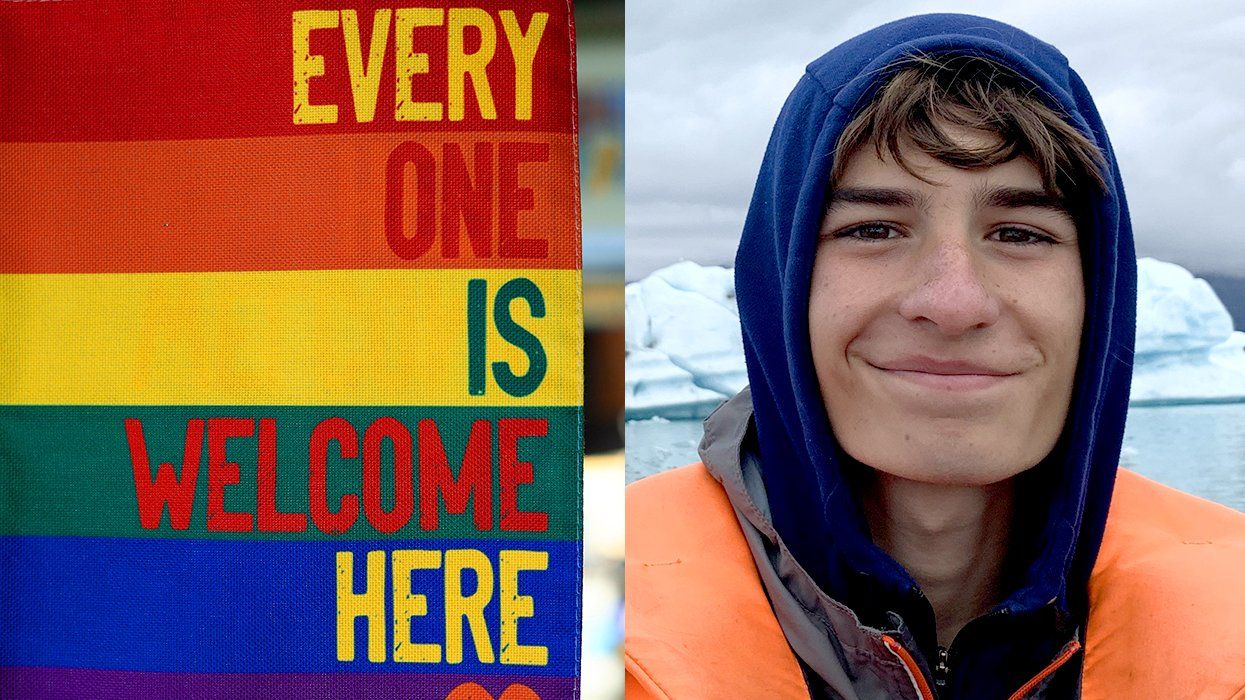
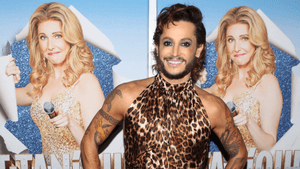
This othering has negatively impacted my life as an asexual man who enjoys injecting fluidity into my gender expression. I have received dirty looks from strangers for wearing a crop top and nail polish on walks through my town. I have been subjected to name-calling and harassment, one example of which lingers in my head. A few months ago, I was walking through my neighborhood, proudly featuring my gender non-conforming appearance. A voice screamed, "Hey!" from a large SUV a few dozen feet behind me. I thought nothing of this exclamation at first; I was in a residential neighborhood and assumed the driver had seen a friend outside one of the houses. A few seconds later, the SUV, transporting at least four young men, pulled up close to me on the left side of the road, honking its horn. I swiftly moved toward the edge of the road whilst getting yelled at by the young men in the car. Under duress and afraid of my safety, I only understood one of the young men's shouts as they pulled away: "dumbass f****t." I know that these actions could be a result of the often immature nature of young men. However, other people on the road were not subjected to the same treatment. As such, I internally considered the young men's actions as critical of my gender expression as I heard them cackle and holler when pulling away.
My experiences have stolen my sense of belonging in my hometown. It is infuriating to have to walk in fear when it was once one of my activities to destress, and it is enraging to think that younger individuals are still exhibiting bigoted and harmful behavior. These anecdotes are not atypical. Stories across the United States make headlines about mass shootings at gay bars, denial of services to queer individuals, and other random acts of aggression and violence toward LGBTQ+ people.
Contemporary efforts against LGBTQ+ people are not a result of individual ignorance or biases but targeted attacks aimed at further suppressing a marginalized group. The othering of marginalized individuals represents a heinous war over what the right considers acceptable in American culture. Victories are achievable, but they must be fought for. Collaboration must be the norm, as many fundamental rights, such as financial well-being, freedom from stigma, and legal equity, are shared demands across marginalized identities.
Too often are movements exclusionary in their scope. In combating Trump's administration in such a piecemeal way, we are starving ourselves of the perspective of other marginalized groups. Political progress requires unity. The diversity of people and thought should not be feared, but appreciated and utilized as tools to enable all to prosper.
Jack Normandin is an asexual man with interests in geosciences, as well as environmental, political, and social justice.
Perspectives is dedicated to featuring a wide range of inspiring personal stories and impactful opinions from the LGBTQ+ community and its allies. Visit Pride.com/submit to learn more about submission guidelines. Views expressed in Perspectives stories are those of the guest writers, columnists, and editors, and do not directly represent the views of PRIDE or our parent company, equalpride.