











































Metal Gear Solid Δ: Snake Eater feels like a game both frozen in amber and freshly thawed, carefully preserved yet remixed for a modern audience. Konami has been very clear from the start that this isn’t a radical reimagining of Snake’s first chronological mission. Instead, it’s a lavish remake that stays faithful to the original 2004 Snake Eater down to the story beats, dialogue delivery, and eccentric tonal whiplash that only Hideo Kojima and his collaborators could pull off. If you’re looking for surprises, you won’t find them here, but you will find one of the most meticulously rebuilt slices of stealth gaming, one that’s constantly aware of the shadow it’s standing in.
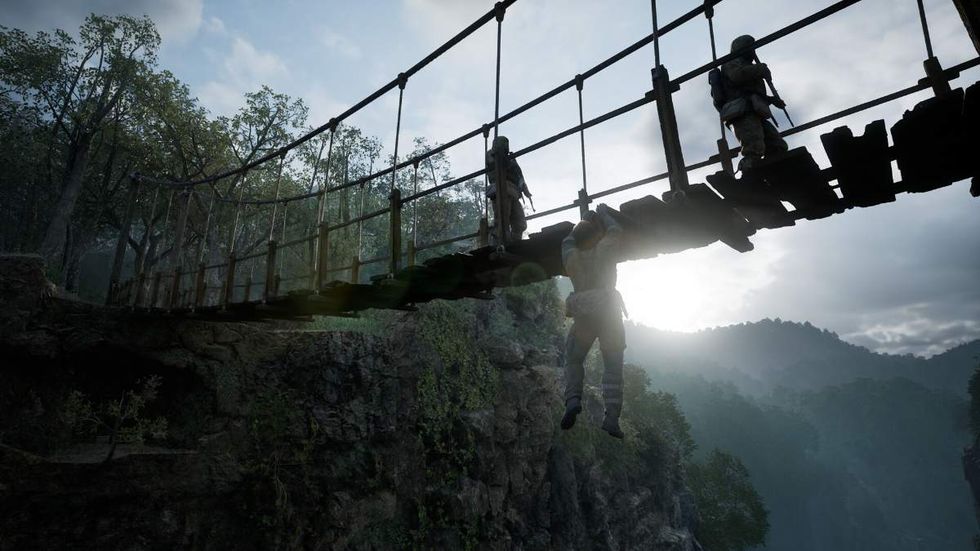
Booting up Delta for the first time is uncanny. The jungle feels alive in ways the PS2 could only dream of. Foliage sways, insects buzz in your headphones, and raindrops dot your field of vision with an almost overwhelming density. It’s lush and oppressive, a world that begs you to crouch in its tall grass or stalk its muddy riverbanks. And when you do, it becomes clear that the mechanics like crawling, healing, camo management, are preserved almost beat for beat. If you loved the hunger and injury systems, they’re still here, quirks intact. If you hated them, well, Konami isn’t out to convince you otherwise. This is a reverent project, not a revisionist one.
That reverence can be both a strength and a weakness. On the one hand, Delta is a reminder of just how ahead of its time Snake Eater was. The stamina systems, the constant need to think about your environment to be able to blend in, and the theatrical boss fights all still stand out the most, especially when framed in Unreal Engine’s glossy rebuild. The Virtuous Mission, the prologue where Naked Snake is dropped into the USSR jungle, remains a masterclass in slow-burn setup, equal parts spy thriller and melodrama. On the other hand, the fidelity exposes some of the creakiness that 20 years can’t sand down. The animations, reused voice performances, and rigid cutscene blocking carry that vintage PS2 DNA. You’re constantly reminded that you’re playing something deliberately locked to a 2004 script, even when the visuals scream 2025.
Metal Gear Solid Δ
Konami
For better or worse, the remake is a museum piece. It exists so a new generation can see what made the series iconic, without changing the DNA or any reinterpretation. And that makes me conflicted, because Kojima’s sequels weren’t just iterative, they were disruptive. Each entry tore apart the last one, reframing characters, undercutting its own myth-making, and sliding between sincerity and parody without warning. Delta doesn’t do that. It embalms. It reveres. And maybe that’s the only way Konami could have approached this remake without Kojima at the helm.
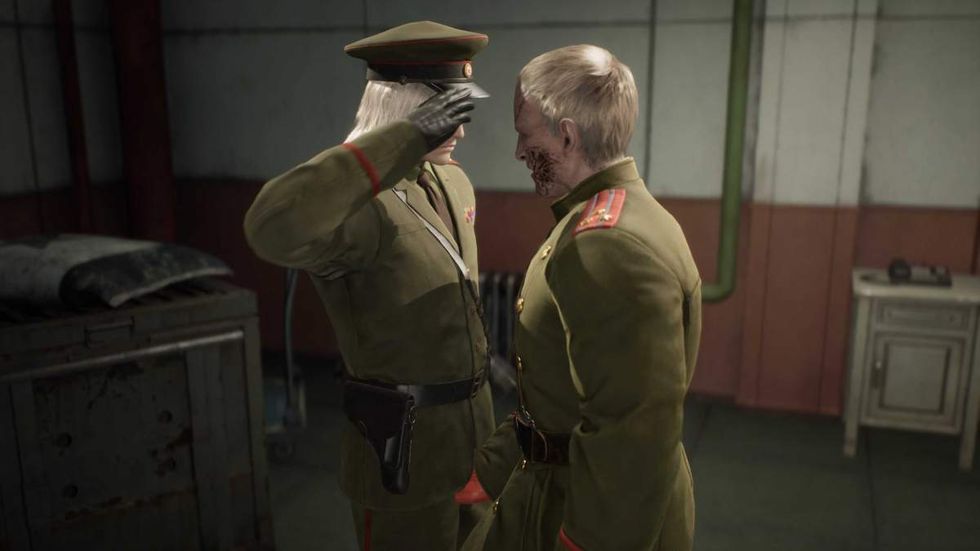
What still lands, though, are the characters. Naked Snake himself is as compelling as ever, a proto-Big Boss, earnest and a little naïve, slowly learning how compromised the systems he serves really are. The Boss remains one of the series' greatest figures and a standout in games, a tragic mentor who balances strength and grace equally. And then there’s Colonel Volgin and Major Raikov, two characters that are more notable now more than ever, not just for their camp energy but for what they represent in the franchise’s complicated relationship with queerness.
Metal Gear Solid Δ
Konami
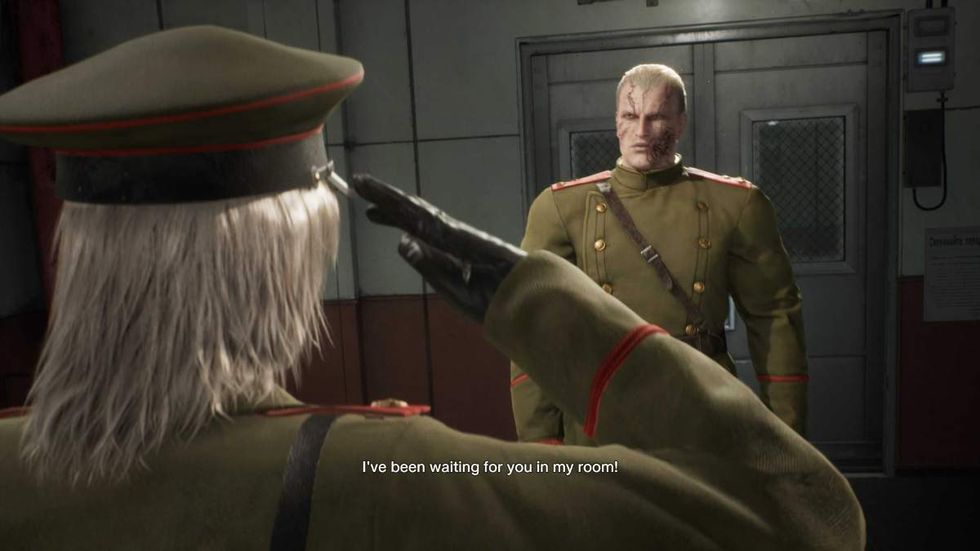
Volgin is an imposing villain, all muscle and sadism, but he’s also canonically bisexual, something the game is unafraid to show. His relationship with Raikov is both open and played for discomfort. Their intimacy is wrapped up in the story’s queasy humor, Volgin groping Raikov in front of subordinates, mistaking Snake in disguise for his lover, creating tension by turning queerness into a punchline or a moment of unease. It’s queerness weaponized through villainy, queerness exaggerated into spectacle. Raikov himself is mocked, ridiculed, reduced to parody, literally modeled after Raiden, who many fans derided after MGS2, then pushed into this role so he could be humiliated further.
Watching these scenes in Delta is strange in 2025. On the one hand, they’re untouched, preserved exactly as they were in 2004. On the other hand, seeing them dressed up in ultra-real fidelity makes their queerness louder, harder to hand-wave as just background detail. For queer players, it’s both representation and mockery. It’s canon queerness, but not flattering queerness. It’s history, and history doesn’t always age cleanly. The thing about Metal Gear is that it has always toyed with gender, sexuality, and performance, often problematically, sometimes radically. Through characters including Vamp, Strangelove, Ocelot, and Kaz, queerness lingers in these games, sometimes textually, sometimes subtextually. Volgin and Raikov are an important part of that lineage, even if they embody the “evil bisexual” and “effete gay man” tropes that modern players will bristle at.
Metal Gear Solid Δ
Konami
Does Delta do anything to contextualize or update these portrayals? No. It doesn’t soften them, doesn’t comment on them, doesn’t reframe them. It repeats them. And that will be a disappointment for some folks, but it also feels true to the remake’s mission. This isn’t about changing the past, for better or worse. It’s about letting us experience Snake Eater exactly as it was when it came out, only prettier. Whether you find Volgin and Raikov fascinating queer villains or uncomfortable stereotypes is left to you.
Outside those thornier themes, the game still swings between brilliance and absurdity like only Metal Gear can. The boss fights remain unforgettable, like The Pain’s swarm of hornets, The Fear’s grotesque acrobatics, The End’s legendary sniper duel that can play out across real-world hours. They’re more striking than ever in Unreal’s lighting, though the unchanged mechanics will feel stiff to players used to modern stealth sandboxes. The soundtrack, remastered and remixed, is as sharp as it’s ever been, still pivoting between Bond-like bombast and eerie, minimalist tension. The performances, yes, all reused from 2004, still work, especially David Hayter’s growling, earnest Snake. Hearing those same voices come out of new, photorealistic faces can be jarring, but it underlines how much this is about preservation.
So how do you measure a remake like this? As a technical showcase, it’s stunning. As a stealth game, it’s still unmatched in atmosphere, even if the systems feel dated. As a cultural object, it’s complicated, reintroducing all of MGS3’s strengths and all of its baggage to a new generation. If you want Kojima’s maximalist weirdness untouched, you’ll be thrilled. If you hoped Konami would revisit the game with fresh eyes, you may find it frustratingly safe.
For me, the real value of Metal Gear Solid Δ: Snake Eater is that it sparks conversation again. It reminds us that the series was always messy, always contradictory, always provocative. It can be progressive and regressive in the same breath, a series where queerness exists but is rarely celebrated, where war and loyalty are romanticized and condemned at once.