


































Gay slang originated out of necessity. Gay men wanted to be able to speak in public without revealing their sexuality, especially in places and times of extreme LGBTQ+ persecution. Thus, the gay animal types lexicon was born.
Over the years, gay slang has evolved, and it’s sometimes tough to keep up. So here they are, all the creatures in the queer animal kingdom, fully explained.
We’ll start off with the ones you’re more likely to know, and then move into some of the less common critters.
Silver Fox
FXQuadro/Shutterstock
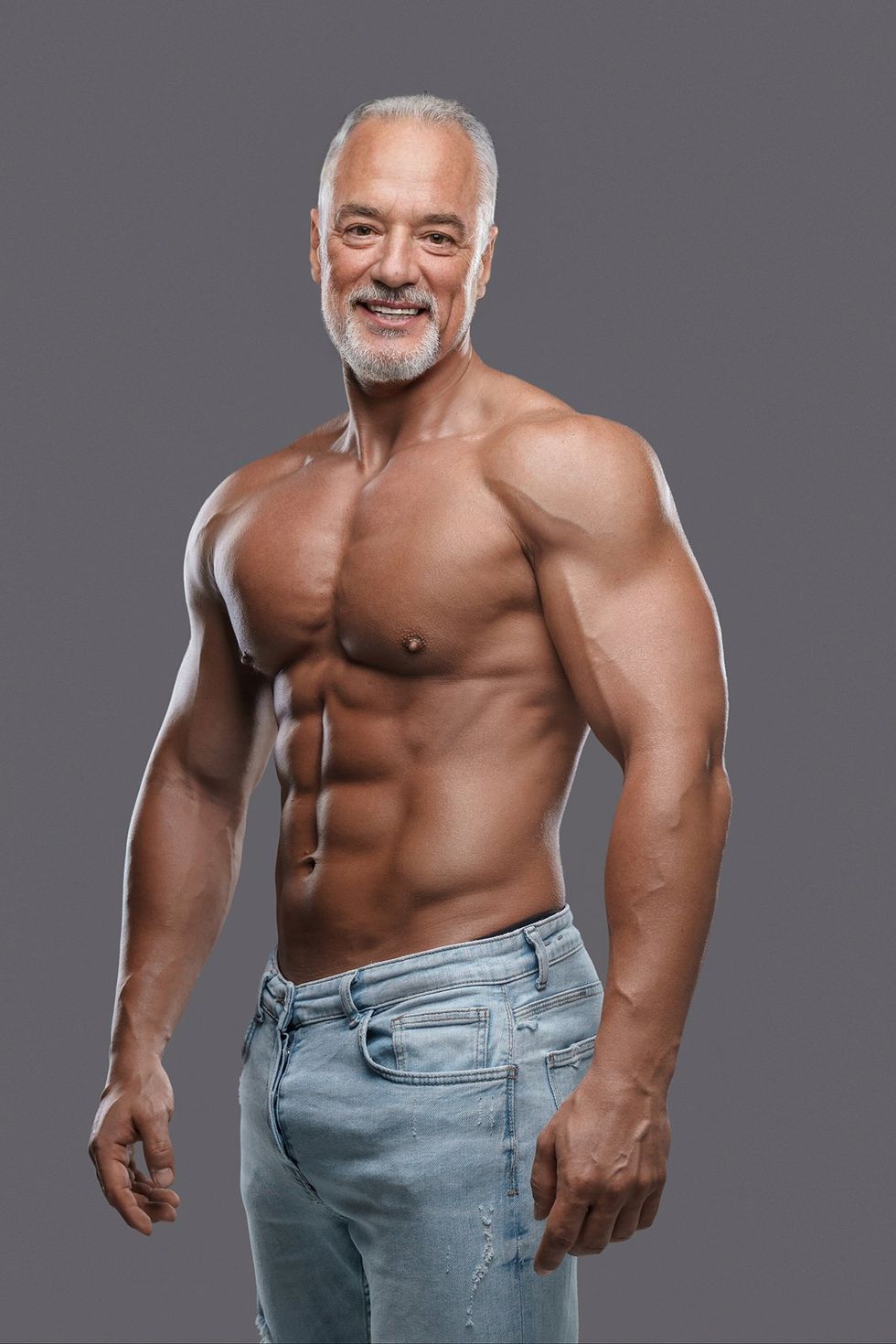
Oh, the silver fox, arguably among the more sexy of the stereotypes. These are the men with the salt-and-pepper hair who never seem to age. Like Anderson Cooper, the most silver of silver foxes.
The term silver fox was born in the 1920s as a nickname for Major League Baseball player Jess Petty, in reference to his hair. From there, it evolved in the 1930s to describe a dapper, silver-haired man. While the exact timing or origin of its use as gay slang is unknown, it was eventually adopted to celebrate the sexiness of older, silver-haired gay men.
Meerkat
Krakenimages.com/Shutterstock
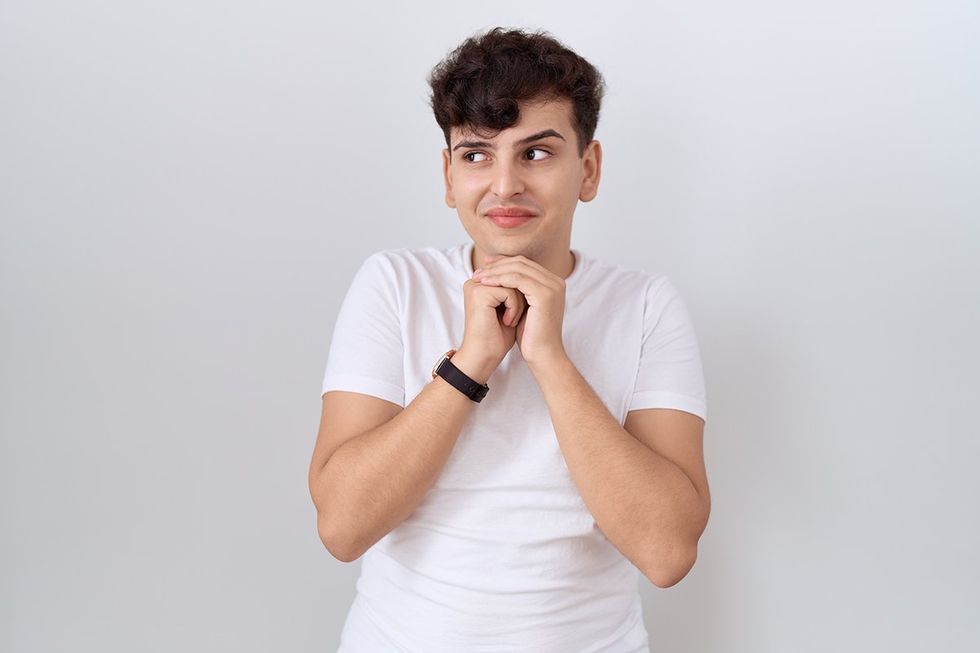
A man named Greg — who goes by @coffeegreg on TikTok — posted a video announcing new gay stereotypes, and we can’t get enough. The best one? The meerkat, or “an anxious, sassy gay who’s always looking around at everyone else instead of paying attention to conversations.” Guilty.
Fox
ViDI Studio/Shutterstock
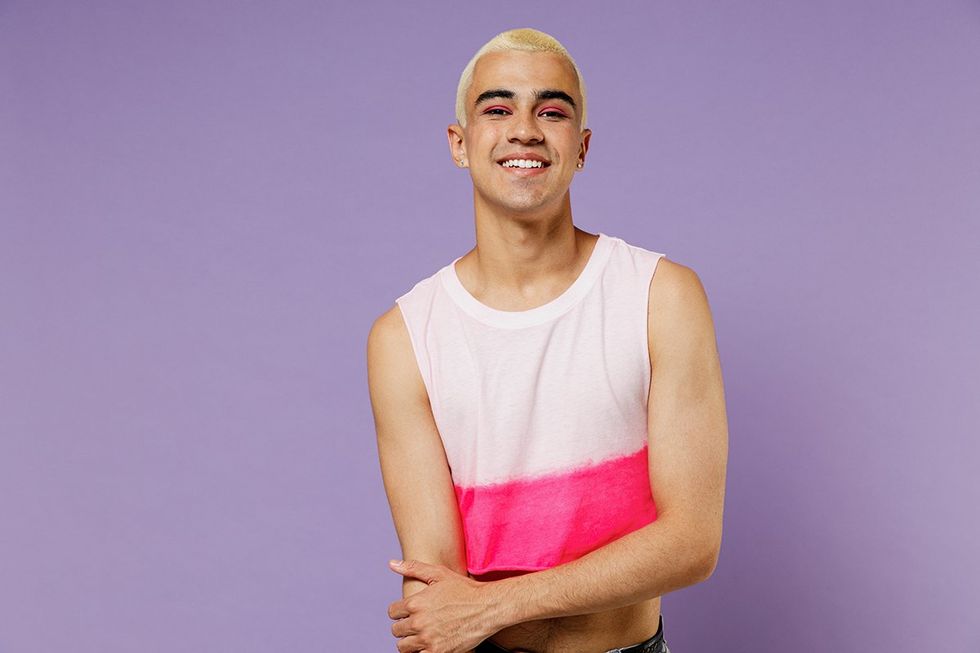
This is not to be confused with the silver fox, mind you. According to Greg from the above-mentioned TikTok video, twinks are “foxes now,” so let’s all get with it.
Bear
Robert Petrovic/Shutterstock
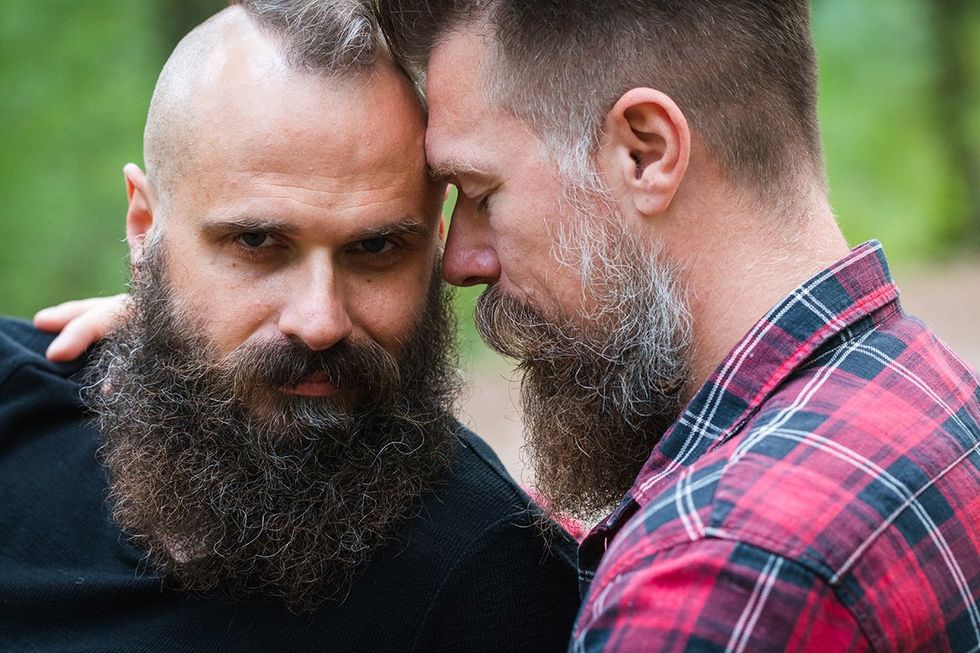
Ah, the bears, are one of the oldest and largest subgroups of the gay community. Bears are on the heavier side, either muscular, beefy, or chunky. They wouldn’t dream of shaving their body hair (which comes in abundance) and they usually have a full beard to match. They exude masculinity and are some of the kindest men you’ll meet in your entire life. There are many subtypes of bears, like a polar bear, which is an older bear with white hair.
The origins of the term bear can be traced back to the 1960s, when it first appeared in the minutes of a motorcycle club. It became officially recognized as part of queer lexicon when The Advocate published the article “Who’s Who at the Zoo?”, which categorized different types of gay “animals,” including bears. The rest is history.
Cub
Jacob Lund/Shutterstock
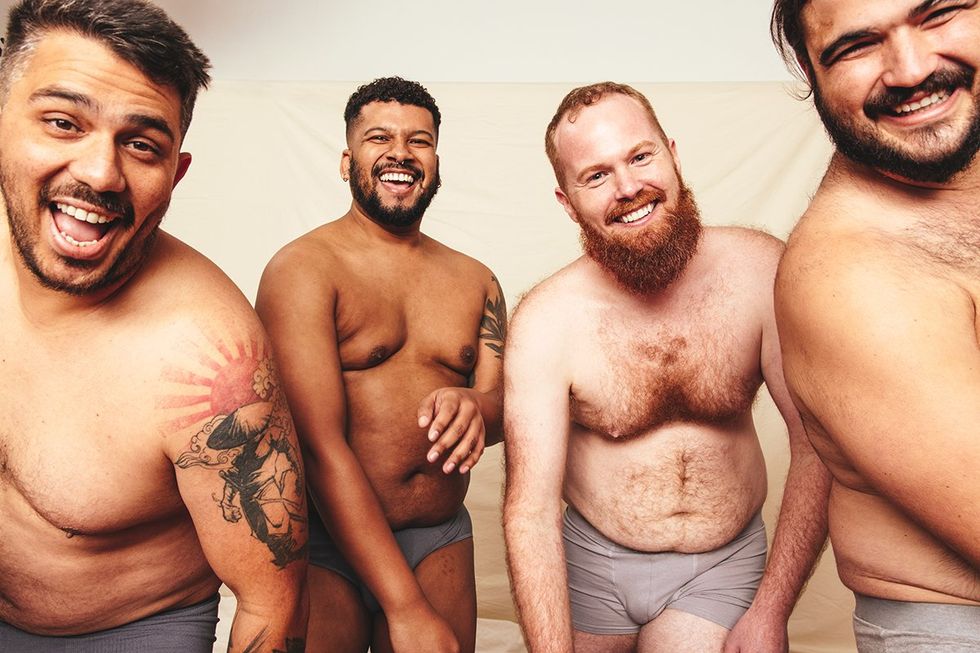
A baby bear. As bears are typically older men, cubs are younger ones. Large, hairy guys in their teens and 20s who are on their way to becoming a bear.
Gym Rat
Volodymyr TVERDOKHLIB/Shutterstock
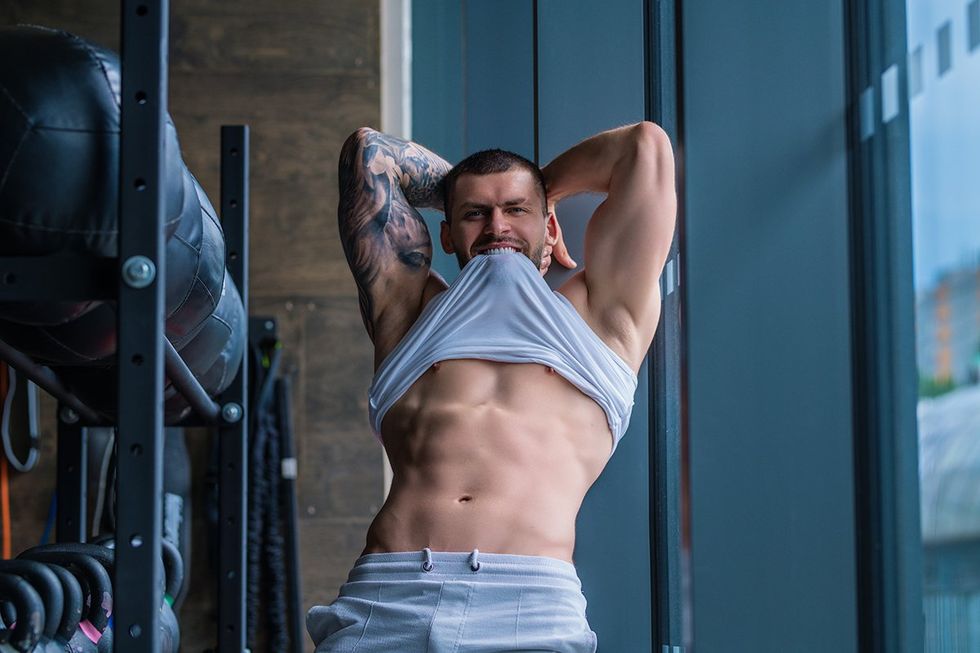
The gay man who spends every waking minute at the gym, talking about how he needs to go to the gym, or how he’s coming from the gym.
While the exact origin of the term ‘gym rat’ is unknown, it has been in use since the mid-20th century, gained popularity in the 1970s and ’80s, and was later adopted by gay culture.
Gym Bunny

Myvisuals/Shutterstock
Like the gym rat, the gym bunny is just a more feminine version of the gym rat. They’re the ones who come dressed to the gym in their full outfits, treating it like a runway appearance.
Gym bunny as a term came into use at least by the late 1970s–1980s, when it appeared in print in a 1986 article in the Daily Texan.
Chicken/Twunk

MDV Edwards/Shutterstock
A chicken is the polar opposite of a bear. Skinny and hairless and often a little more on the feminine side. Chicken is a word used to describe a younger version, and twunk is a more muscular twink (think Justin Bieber).
"Chicken" as gay slang has been around for a long time. It began as a term for young people in the 17th century, which later evolved to mean a young boy specifically in the 19th century. By the 20th century, it began being used in gay slang. The earliest well-documented use was in the 1930s among sailors.
By the 1960s–1970s, it had come to mean a young man, especially one considered sexually available.
Otter
GK1982/Shutterstock
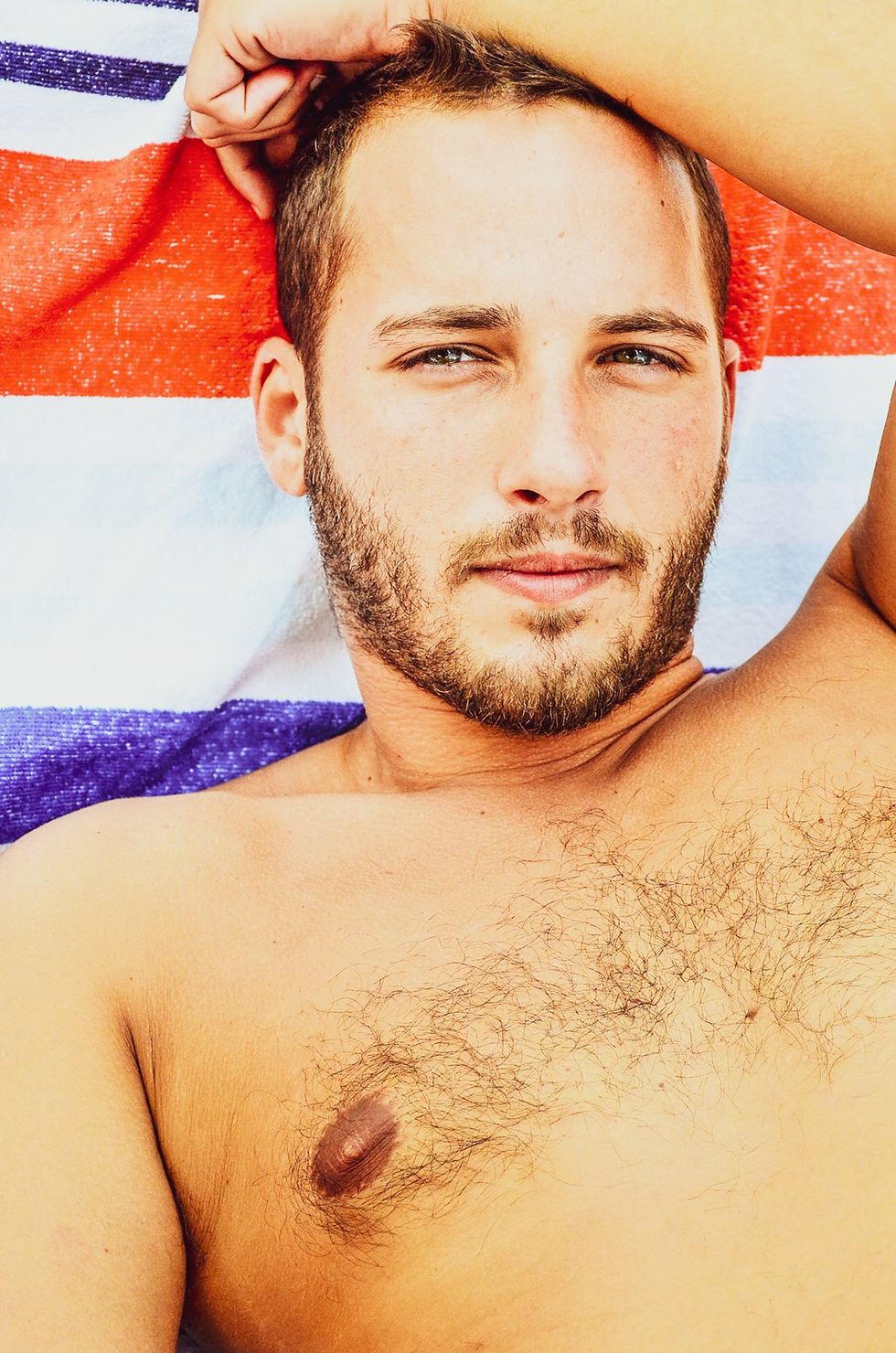
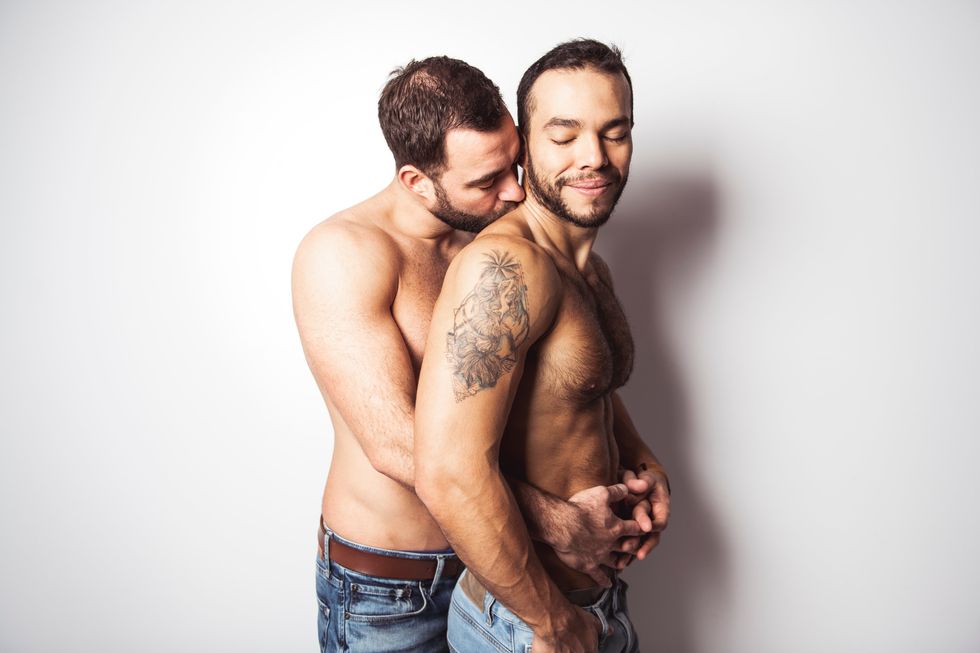
Someone who’s in between a twink and a bear. Medium build and hairy. Otters come in all ages with all different types of facial hair. Otters often trim their chest hair and manscape their bodies, but always leave at least some hair.
Like a handful of terms on this list, otter came out of bear culture. In the 1990s, slang dictionaries and bear-community zines began using the term. In 1997, The Bear Book included references to otters.
Wolf
Viktor Vy/Shutterstock
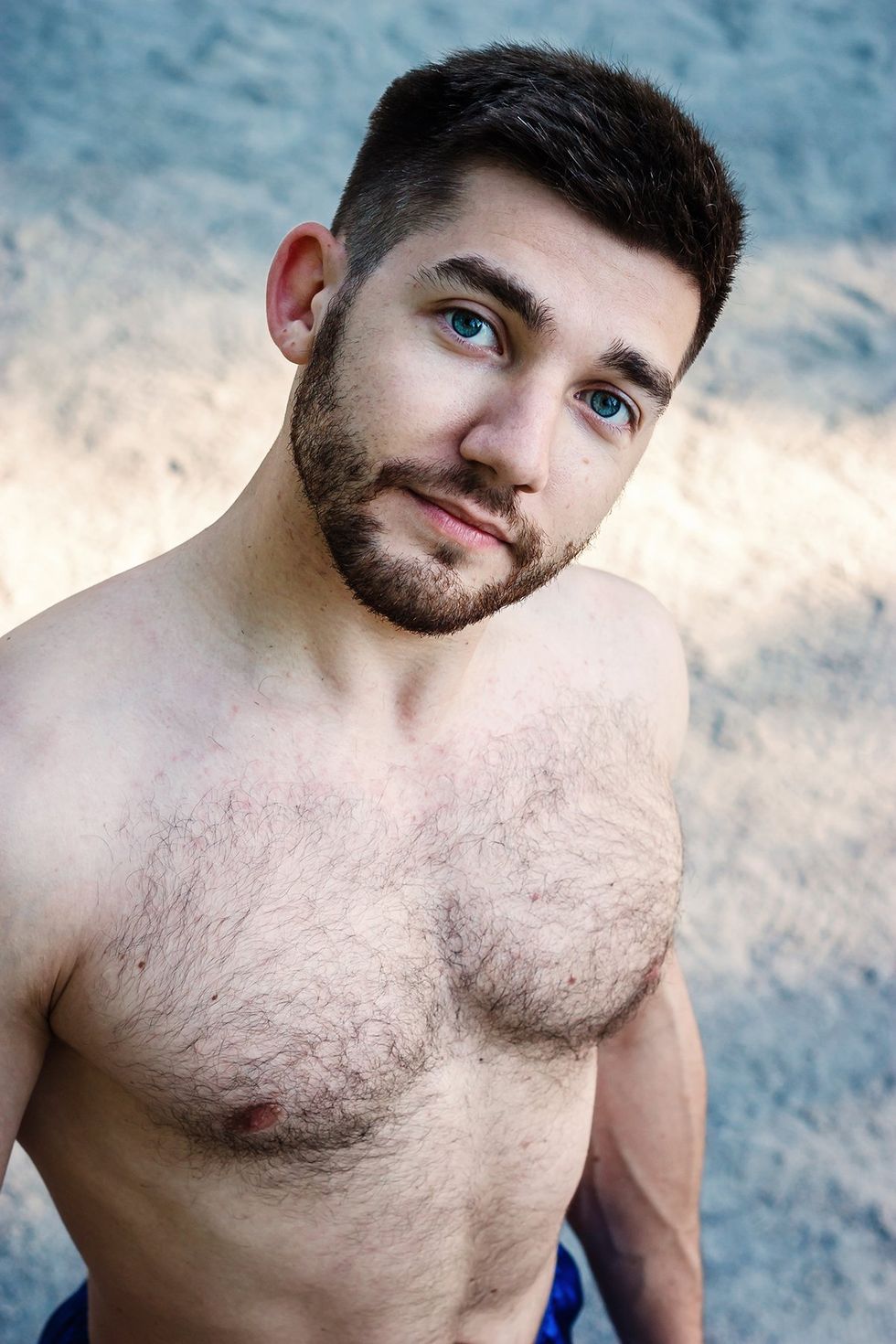
Similar to an otter, a wolf has some hair and is in between a twink and a bear. However, there are some key differences between wolves and otters. Wolves typically have a lean, muscular build and are sexually aggressive.
The term “wolf” did not begin as gay slang; rather, it was used to describe sexually aggressive men who chased women. However, by the mid-20th century, it had been adopted by Polari (gay underground slang), in which it came to mean sexually dominant gay men who were hairy but leaner than a bear.
Giraffe

Levchenko Andrii/Shutterstock
An incredibly tall gay man.
The term, beyond the obvious, seems to be a nod to male giraffes in nature commonly necking with other males. Its adoption into the gay lexicon, however, is first documented when it was added to the Library.LGBT in 2020.
Pig
Volodymyr TVERDOKHLIB/Shutterstock
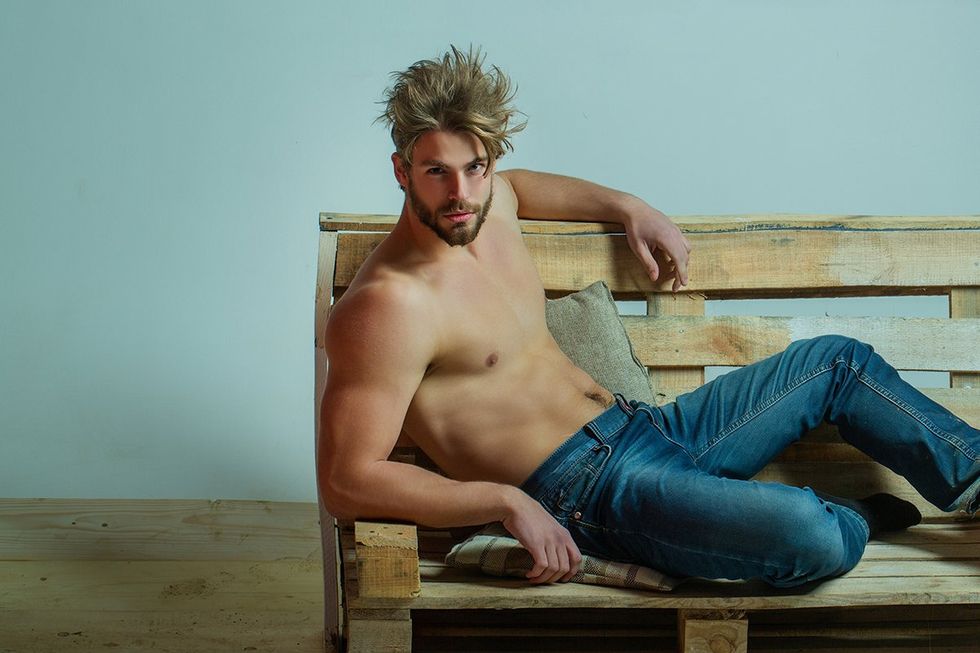
As you might imagine, pigs are more focused on sex than anything else, often into kinkier and somewhat seedier sexual practices.
“Pig” as a gay term was born out of the 1960s–’70s leather/SM communities. While there is no single person or publication credited with its origin, it began appearing in print in the 1970s in places like The Leatherman’s Handbook in 1972.
Chickenhawk
Fab_1/Shutterstock
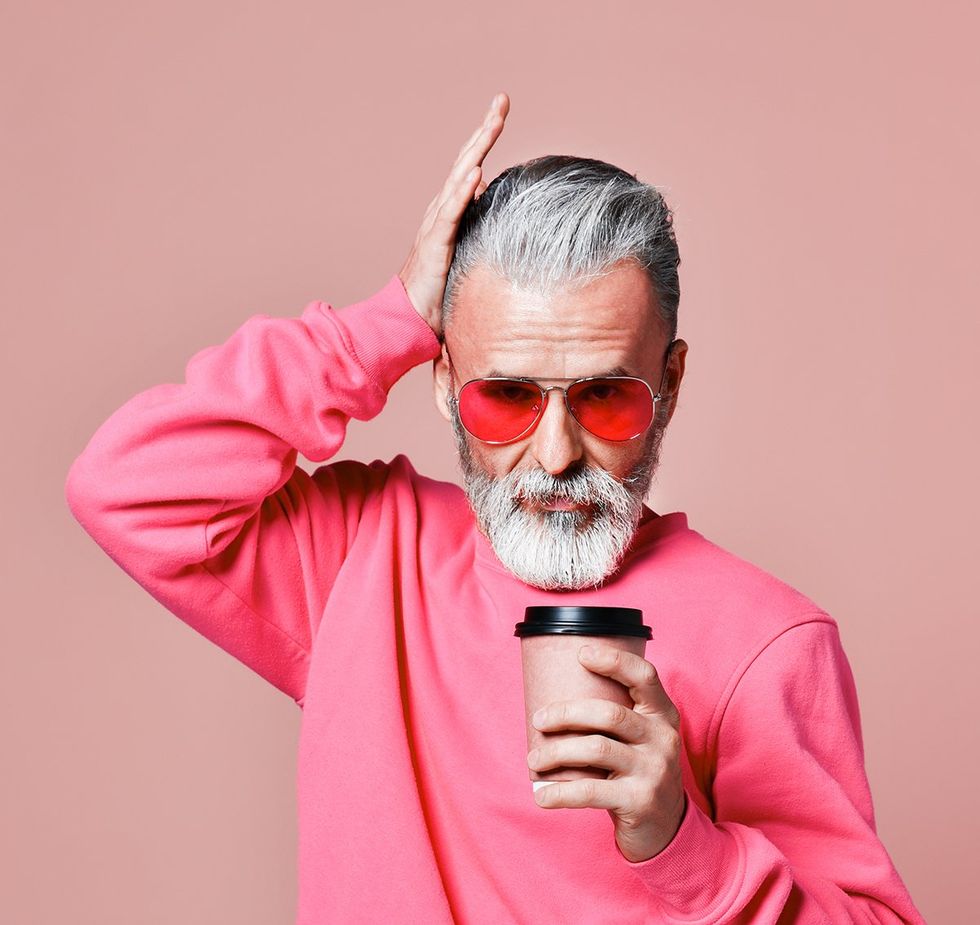
An older man who sexually pursues younger chickens/twinks/twunks. The term evolved roughly alongside the term chicken.
Unicorn

Netpixi/Shutterstock
Urban Dictionary has the best definition, “A bisexual person, usually though not always female, who is willing to join an existing couple, often with the presumption that this person will date and become sexually involved with both members of that couple, and not demand anything or do anything that might cause problems or inconvenience to that couple.”
Pup
SibRapid/Shutterstock
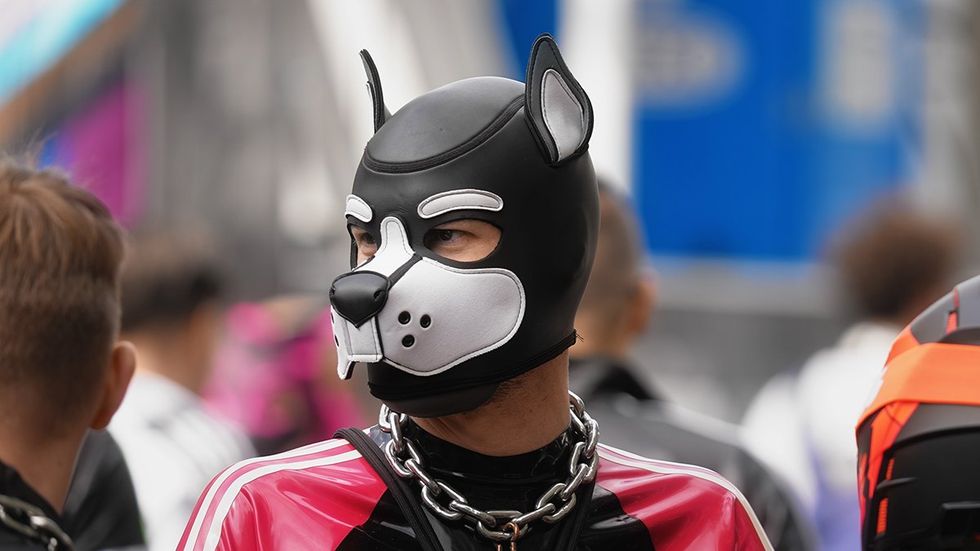
As part of pup play, a form of kink that is becoming more popular in the gay community. Men act as puppies and have handlers. The handler treats their puppies like they would their own dog, with love and affection. It’s a great introduction for gay men interested in kink and has a pretty relaxed power dynamic as far as kink goes.
While the concept of pup play has long existed, with photos dating back to the 1910s and videos appearing in the 1970s, the term began to become popularized in the 1990s. The first pub play competition took place in London in 1995, and the term began appearing in medical journals as “Species Dysphoria” in 2001.
Bull
PeopleImages.com - Yuri A/Shutterstock
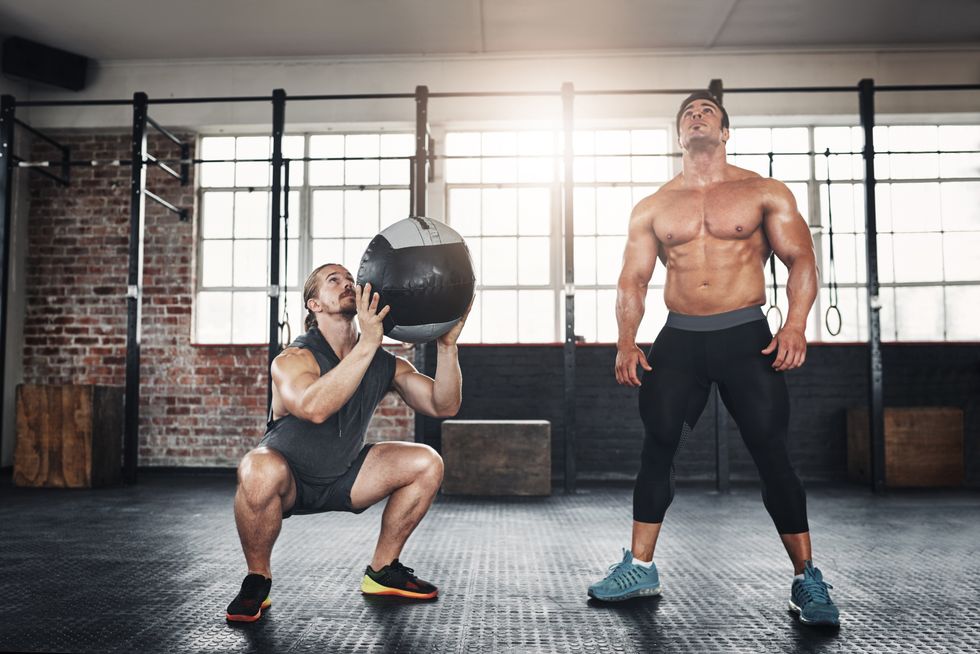
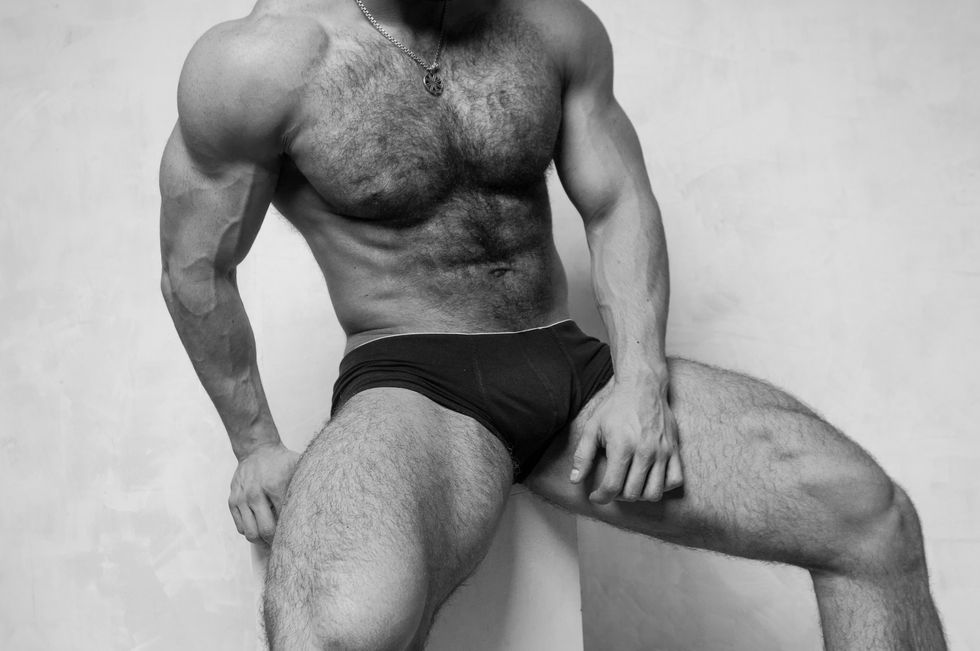
Hunky, muscular bodybuilders. These men are big, strong, and have muscles you didn’t even know existed. While we don’t know exactly when this term was coined in reference to gay men, it was added to the Library.LGBT in 2022.





 35 bisexual pop anthems we have on constant repeat YouTube.com/Binoy







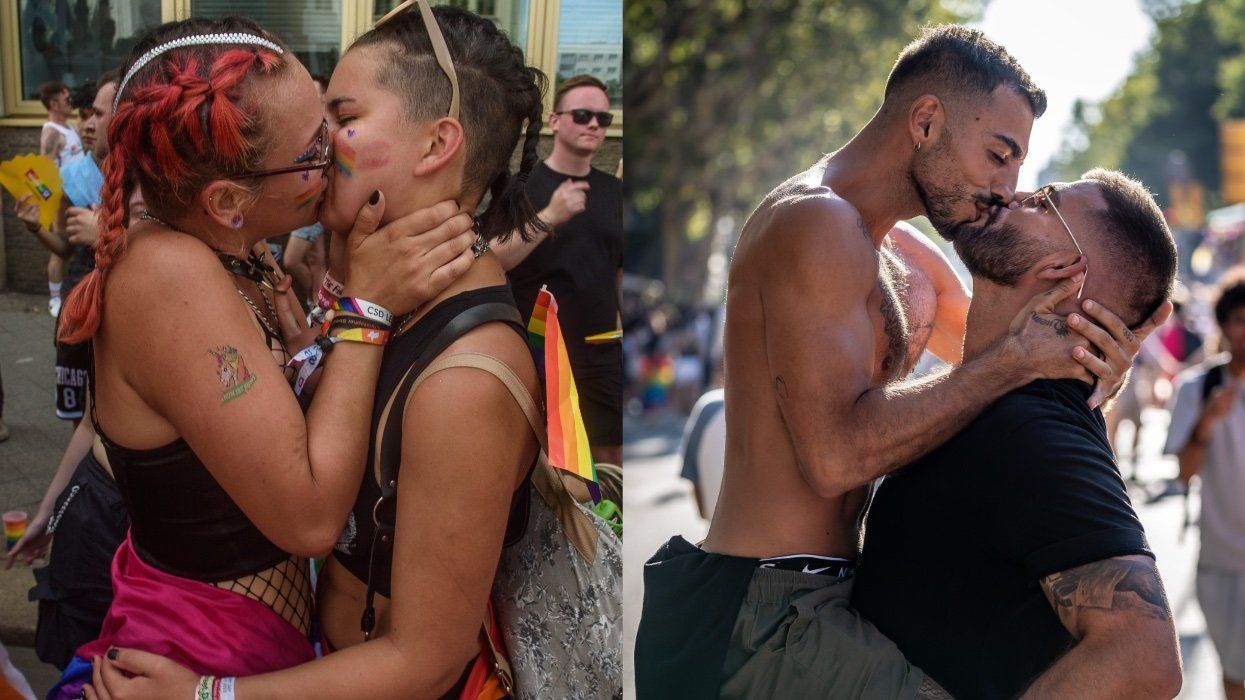
 A couple kisses in the middle of the street during the Christopher Street Day ; Men seen kissing during the 2023 Pride Barcelona Parade. Yerchak Yauhen/SOPA Images/LightRocket via Getty Images; imone Boccaccio/SOPA Images/LightRocket via Getty Images