










































Look, sometimes relationships fall apart because someone cheats or you get the ick or you just grow apart, but there are healthy and not-so-healthy ways of breaking up when things go south.
But dating in the modern age is rough, so more often than not, it seems like people are using toxic breakup trends to get out of a relationship. There are the tried and true standbys like ghosting, or newer Gen Z techniques like banksying, monkey-barring, and submarining. Either way, it sucks to have to break up with someone, which is why some daters are trying to ease the pain by using the “date them ‘til you hate them” technique.
LGBTQ+ daters aren’t the only ones engaging in the problematic behavior, but the queer community may be uniquely susceptible to participating in and being the victims of this toxic dating trend.
But why is that true, and how exactly does “date them ‘til you hate them” work? To break it all down, we talked to sex and relationship experts Sofie Roos, a bisexual licensed sexologist, relationship therapist, and author at relationship magazine Passionerad, and Courtney Morgan, a licensed therapist and founder of the mental health therapy practice Counseling Unconditionally.
What is the “date them ‘til you hate them” trend, and where did it originate?
TikTok creator Meg Neil originally coined the term “date them ‘til you hate them,” for a new toxic breakup trend she created when she got out of a four-year relationship by slowly checking out instead of breaking up right away or trying to fix it, until she resented her partner so much that the breakup became easy. “You’re going to let them disrespect you,” Neil explained in the video. “Until you no longer want to associate with them anymore.”
This way, when you finally do bite the bullet and end things, you are no longer emotionally invested because you’ve let so much resentment build up that the eventual breakup feels like a relief and you’re already ready to move on.
“The ‘date them ’til you hate them’ trend is essentially staying in a mediocre relationship until it gets bad enough for it to feel easier to leave the relationship,” Morgan tells PRIDE. "Although I originally heard about this trend on TikTok, I’ve witnessed many people engage in this behavior prior to it becoming a trend, we just didn’t have the name for it then.”
What is the psychology behind why someone would do this?
Ending a relationship is hard, but if you’re already angry with the person and sick of everything about them, it becomes much easier to say goodbye. “Essentially, if you wait until you’re super fed up with a person, people believe it will be easier to leave than leaving at the first sign of serious conflict,” Morgan explains.
Roos agrees, “Leaving someone you can’t stand and are sure you don’t want in your life anymore is simply much less painful than going while you still aren’t sure about it being the right decision or not!”
Is this a healthy way to end a relationship? If not, what advice would you suggest instead?
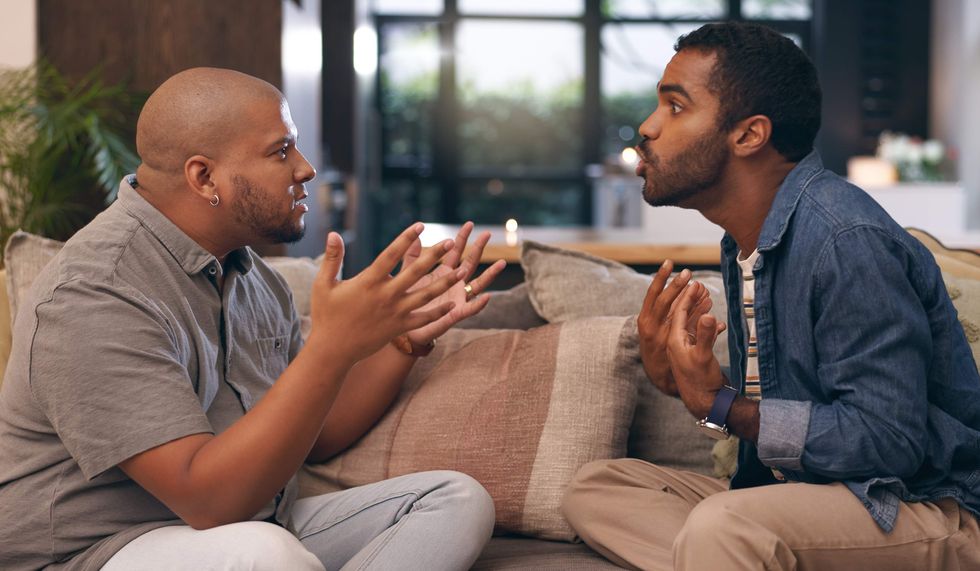
While there is a certain amount of logic involved in creating a situation where you aren’t as hurt by the ending of a relationship — we’ve all cried ourselves to sleep and gorged on ice cream after a break-up — you end up staying in a bad relationship and wasting everyone’s time.
According to Roos, not only is this an unhealthy way to end a relationship that brings "unnecessary negative feelings into your life,” but it also robs you of the opportunity to end things as friends and possibly continue having the person in your life in a new way.
“It’s way better to be honest towards yourself and your partner and leave when you feel it’s time, and it should feel difficult, because that shows that it has meant something, and is therefore a part of leaving someone you really have had a good time with,” she says.
Morgan also says that you should feel empowered to end a relationship when it no longer works for you. “I encourage my clients to assess their relationships often, and ask themselves how they’re feeling in the relationship and how the relationship is impacting their overall lives,” she explains. “You don’t have to wait for a perfect ‘reason' or until you hate someone to leave. You can choose to leave at any moment, and may be able to have a healthier breakup if you are proactive.”
If it happens to you, how can you process and heal from the experience?
If your partner ends the relationship in this hurtful and problematic way, it’s important to remember that it’s not your fault that things went so badly at the end. It’s likely that you are both to blame for he relationship not working — these things are rarely one-sided — but your partner is the one who chose the cowardly way out instead of being honest with you that they were no longer happy.
Morgan recommends remembering that you are not a mindreader and that it’s ok if the breakup came as a surprise to you because it’s likely that your partner was keeping a lot of their true thoughts and feelings to themselves. “It’s possible that you didn’t miss any signs at all, and your partner was withholding their true feelings in order to maintain a halfhearted relationship,” she says. “You can also consider this experience with your future relationships and create more opportunities to talk about the good and the bad parts of being together.”
Roos also recommends seeking out friends and family who will listen to you and who can help you process the end of the relationship, and that just because your partner is relieved to be done with you, doesn’t mean you have to leave the relationship with “hateful and negative” feelings. “Allow yourself to be sad for what happened, and don’t feel that you need to feel the same as your partner,” Roos says.
Are LGBTQ+ people more likely to engage in this trend? If so, why or why not?
Dragana Gordic/Shutterstock
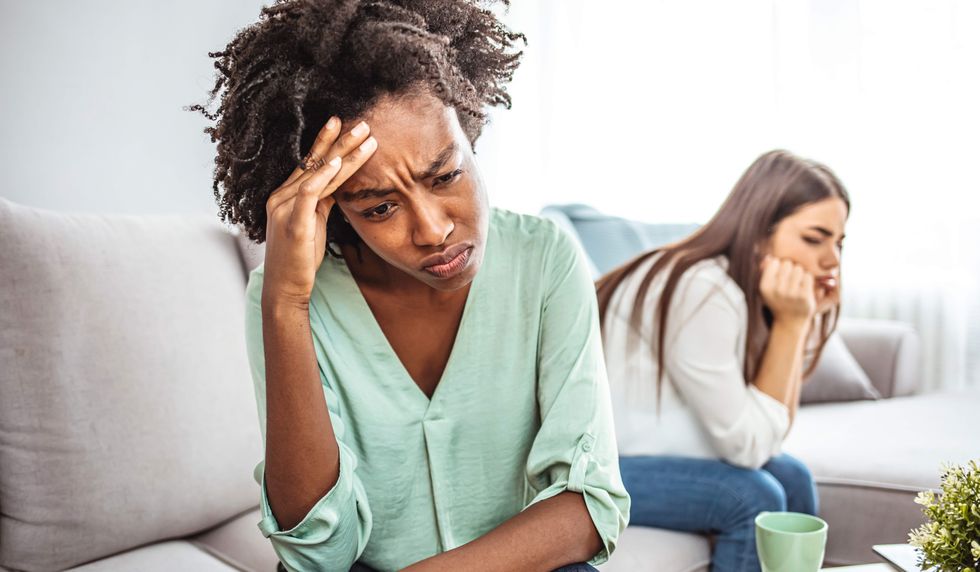
It’s hard to say whether LGBTQ+ people are more or less likely to engage in this toxic dating behavior. Even Morgan and Roos disagree about this.
Roos believes that the queer community probably used this breakup technique less frequently because of how much more open and honest LGBTQ+ people are compared to their heterosexual counterparts. "While it’s highly individual, many queer people are less likely to engage in this trend, because the overall attitude within the LGBTQ+ community is more caring and honest-oriented compared to the straight community, which makes the date them ‘til you hate them trend feel like a less of a good idea for most,” she explains.
But Morgan thinks it’s almost the exact opposite. “I could see LGBTQ+ people being more likely to engage in this trend,” she says. “In my experience, LGBTQ+ are some of the most accepting and supportive people I know, and this kindness may lead them to staying in romantic relationships that aren’t fulfilling to them in order to avoid hurting someone else’s feelings or facing difficult emotions themselves.”
Sources cited:
Sofie Roos, a bisexual licensed sexologist, relationship therapist and author at relationship magazine Passionerad.
Courtney Morgan, a licensed therapist and founder of the mental health therapy practice Counseling Unconditionally.







 KOTOIMAGES/Shutterstock

 New Africa/Shutterstock
  Devor Geber/Shutterstock

 What is 'benching'? Tetxu/Shutterstock