







































Endlessly swiping on dating apps and never finding someone to settle down with, or discovering that you’ve already hooked up with all of the interesting people on Grindr, can make you want to rip your hair out and swear off dating for good.
Dating burnout is real, and the apps aren’t helping. According to a 2024 survey by Forbes Health and OnePoll, 79% of Gen Z report feeling "mentally and emotionally exhausted” by trying to find love on dating apps.
Online dating was supposed to offer us a smorgasbord of amazing people right at our fingertips, but instead, we end up on a never-ending hamster wheel of swiping right, talking to someone through DMs, and being disappointed by the lack of genuine connection.
But what causes dating burnout, is it felt more acutely by the LGBTQ+ community, and what can you do to overcome these dire feelings? We talked to LGBTQ+ dating and relationship experts to find out.
What is dating burnout, and what causes it?
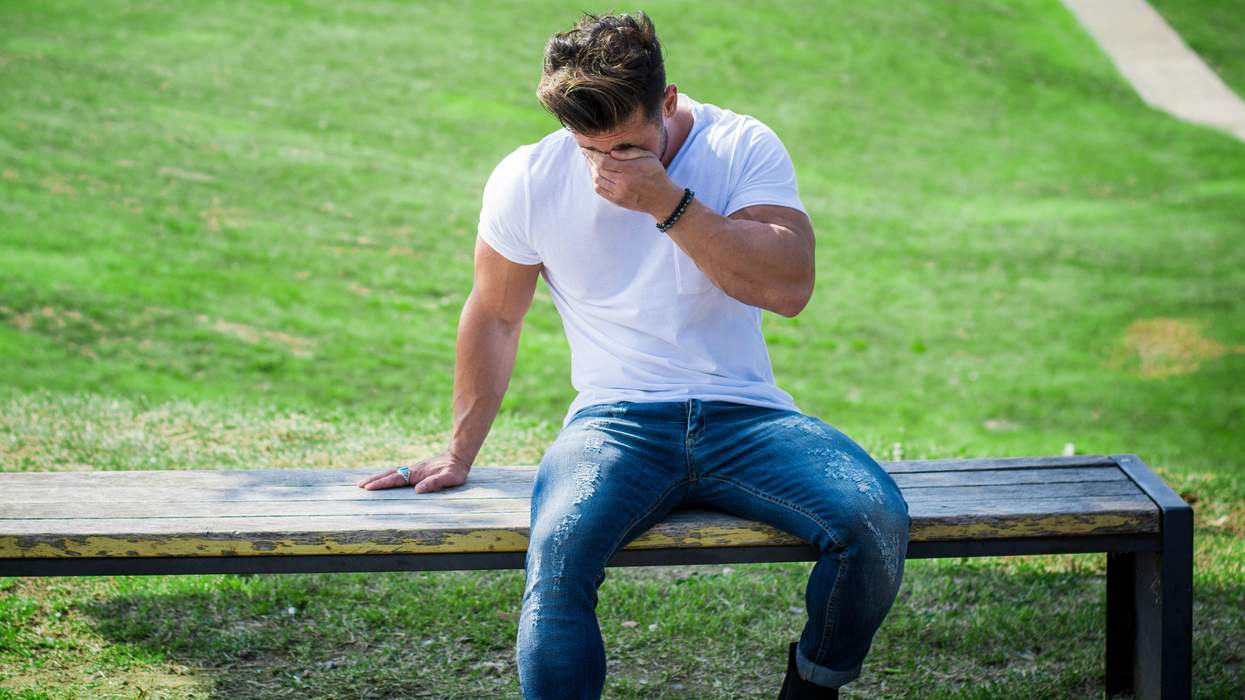
Jota Buyinch Photo/Shutterstock
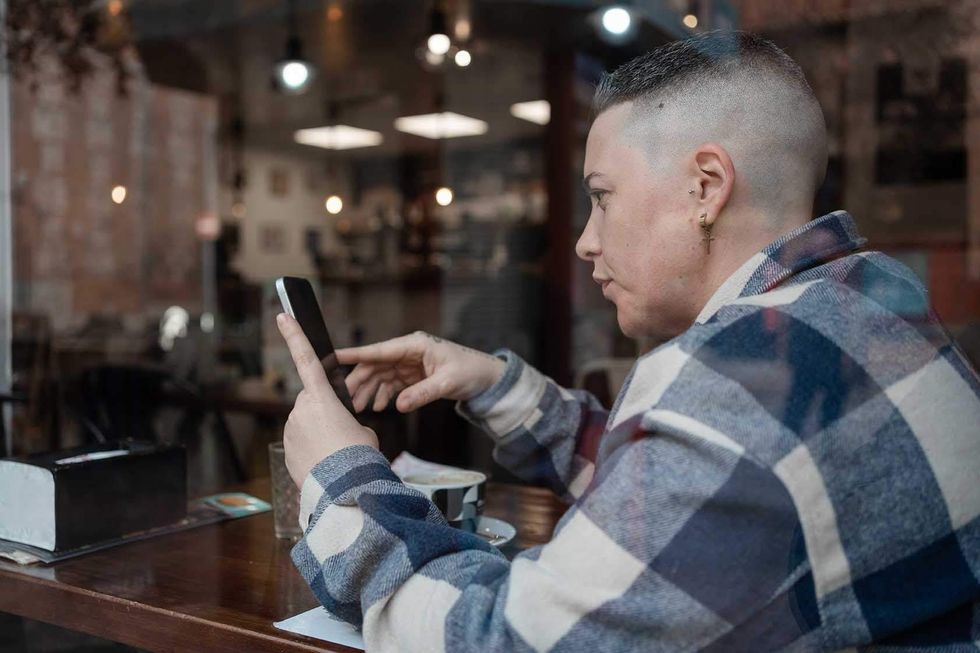
Dating can often feel like a rat race, which is why Gabrielle Kassel, a journalist and queer sex educator for DatingAdvice.com, describes it as the “feelings of fatigue, overwhelm, and dread” associated with dating that can lead you to having an “agitated affect while scrolling dating apps, procrastinating replying to matches, cancelling dates last minute, feeling bored on dates, or leaving every date or dating event feeling wiped.”
If you are feeling exhausted and hopeless every time you think about going on a date or opening a dating app on your phone, then you are probably experiencing dating burnout. “It’s not just getting bored with dating, it's the feeling that it's not worth it or only leads to frustration and disappointment,” Ed Bell, a certified dating and relationship coach and founder of Better Gay Dating, tell PRIDE.
Toxic dating trends like “ghostlighting," “bio-baiting," and “chatfishing” make modern dating an emotional minefield, but it turns out that not only will these techniques erode your self-esteem and sense of hope that you’ll eventually meet someone, but they will also raise your stress level to an unhealthy degree.
“The cycle of anticipation and disappointment in modern dating can activate stress pathways similar to those seen with career burnout,” Lucas Saiter, a sex, dating, and relationship therapist, tells PRIDE. “Common causes include exposure to dating apps, which have superficial interactions. People may also internalize rejection, questioning their self-worth. The effort of curating profiles and maintaining optimism amid uncertainty further compounds fatigue. For those who value deep connection, the tone of digital dating can feel depleting.”
Is dating burnout becoming more common?
Dating burnout is at an all-time high. Not only do the statistics bear this out, but complaints on social media like TikTok show that people are feeling discouraged, deleting apps, and giving up on finding love.
“App platforms promote constant availability and judgments,” Saiter says. “This creates an illusion of abundance. Post-pandemic loneliness and shifting social norms have also intensified pressure to “find someone,” even as meaningful connections feel harder to sustain. This mismatch between effort and reward sets the stage for widespread burnout.”
Bell says that the silver lining of this trend is that people are ditching apps for meeting people in-person in more organic ways, but also cautions that dating burnout may also be a byproduct of how tired we are because our current political and social climate is a dumpster fire. “We also live in an especially exhausting time with what's going on politically, economically and just societally in the world right now — so people have less time or are less open to trying new things or prioritizing their personal lives,” he explains. “This obviously impacts dating and our close relationships.”
There are many reasons people are feeling dating is no longer worth it, but “decision fatigue” because of the vast amount of options available on dating apps is one of the biggest reasons, according to Christopher Pollock, a gay Licensed Marriage & Family Therapist and CEO at TheraVize Mental Health Clinic. “This burnout trend is becoming more common today because of the choice paradox that occurs with dating in the modern world,” he says. "When people have too many choices to choose from, they become overwhelmed with decision-making and feeling secure within their decisions. They fear that they’re making the wrong decision if they choose just one person. This can lead to feelings of overwhelm. Oftentimes when we’re faced with too many choices, we end up making no choice at all.”
Pollock also thinks that modern daters “take rejection as a personal failing” in part due to the toxic way daters reject each other these days. “When people ghost them when dating, they are often left with nothing but questions,” he explains. “This questioning causes them to internalize the message that something is wrong with me, but I don’t know what. Therefore, they pull back from dating all together. Rejection is not a personal failing. If someone were to choose one ice cream flavor over another, that doesn’t mean that the rejected ice cream did anything wrong. It simply means that the personal preference of the other person was different from what you offer.”
Is dating burnout more common for LGBTQ+ folks?
When you combine normal dating rejection with feelings of inferiority because of the way society treats queer people, it becomes a toxic stew that makes people not want to even try. “People within this community have spent a vast majority of their lifetime feeling as if they didn’t belong or that something was wrong with them due to the stigma that is still present,” Pollock says. “If society and/or homophobic people are telling you that the love you have for the same sex is wrong and you combine that with the fact that you’re not finding the love that you seek, the message that is internalized is that I will never find love. Therefore, I will stop seeking it.”
Dating burnout is likely felt even more acutely for LGBTQ+ daters who are dealing with the added layer of having their rights on the chopping block at all times. This can mean that even normal levels of rejection might be harder to swallow because queer daters are lacking emotional resilience in the current moment. "Seeing, hearing, and knowing that these debates are taking place takes an emotional toll,” Kassel says. “In the context of dating, it means that many of us are already moving through the world with decreased feelings of safety and security, which can translate to reduced emotional capacity.”
The fact that many LGBTQ+ dating apps are focused on hookups can make people who are looking for something more than that get turned off by the whole experience. “This can leave people who want sustained intimacy or partnership feeling like the partnership they’re seeking isn’t possible,” Kassel warns.
8 tips for overcoming dating burnout
nito/Shutterstock
1. Working with a queer-affirming therapist
When you’re feeling distraught over the state of your dating life, reaching out to a therapist is a great idea, but finding one who is queer affirming will be key so that they will have a deep understanding not just of your dating woes but also why the current political climate might be making things even harder for you.
2. Take a break
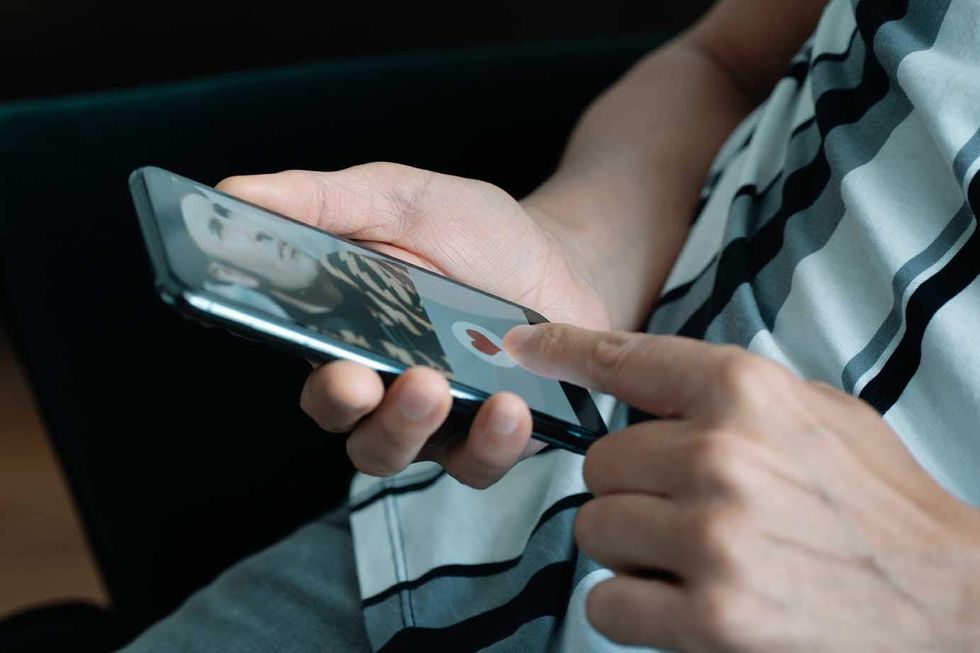
When you’re feeling burned out, don’t force the issue; take a break instead. If you need to mute notifications or delete apps, do it, just take a step back so that you can reevaluate and come back to dating with more positivity and a clearer picture of what you want.
3. Be honest on your dating profile
Refresh your dating profile or start all over again if you need to. The idea is to come back and be honest about who you are and what your relationship goals are so that you’re more likely to match with the right people.
4. Focus on people who are right for you
If you keep connecting with people who end up being all wrong for you, are nothing but red flags, or have different relationship goals than you, then it’s probably time to try something new. Focus your attention on people who align with what you want in a partner, and ensure you share some common interests and life goals.
5. Try new ways of meeting people
Get off the dating apps and meet people in queer IRL spaces and events. Try a gay bar, join a queer recreational sports team, or try a new hobby like a book club or hiking group when you can meet people organically.
6. Reframe dating
Don’t tell yourself that dating is “hopeless.” Instead, tell yourself that while sometimes dating can be hard, there are also great people out there just waiting for you to discover them.
7. Work on things outside of dating
Nurture real-life friendships, spend time on your own hobbies, and build ties with your community through activities and volunteer work so that your self-esteem isn’t tied to your ability to plan a date.
8. Set boundaries
Set boundaries with yourself so that you don’t become all-consumed by dating apps. Limit the time you spend swiping, set realistic expectations (don’t expect every date to lead to true love), and pay attention to dating fatigue and take a break when it crops up.
What should someone do if those strategies don’t work?
If none of our expert tips worked, instead of continuing to slavishly swipe right, just step away from the whole endeavor until you feel more positive again. “Giving up temporarily isn't failure: it's often the break or reset we need to be able to come back feeling optimistic again,” Bell says. “And if your burnout has gotten to the point you're not able to meet new people with the warmth and openness you usually have, it's usually better to take some time out than just push ahead anyway.”
Some of what you may be looking for out of dating is community and connection, and you can find that without ever having to go on a date. “Spending time in spaces designed to foster queer community—think: queer climbing night, swing dancing, queer book club, etc.— can be especially healing when you're feeling dating burnout because there's not the pressure of ‘if we don't wind up dating, this time and energy will have been for not,’ Kassel says. “In fact, removing this pressure can alone relieve a lot of the stress that causes burnout in the first place.”
Sources cited:
Gabrielle Kassel, a journalist and queer sex educator for DatingAdvice.com.
Lucas Saiter, a sex, dating, and relationship therapist.
Ed Bell, a certified dating and relationship coach and founder of Better Gay Dating.
Christopher Pollock, a Licensed Marriage & Family Therapist and CEO at TheraVize Mental Health Clinic






 What is 'benching'? Tetxu/Shutterstock