



































So many dating trends are so toxic that it makes sense why younger LGBTQ+ people are getting sick of modern dating. There is “throning,” "banksying," and "shrekking," and all of them make you want to delete all of the apps and swear off dating for good.
But luckily, there is still some good in this world, and there are a couple of dating trends — pebbling and explorationships come to mind — that will make you want to start putting yourself out there again, just so you can give them a try. One of the newer dating trends on the block is “wildflowering,” which prioritizes taking things slow, rather than rushing into a relationship with a big commitment attached, and getting to know yourself in the process.
To get to the bottom of what “wildflowering” is, if there is a way to do it ethically, and whether or not LGBTQ+ people are more likely to try it out than straight people, we talked to Sofie Roos, a bisexual licensed sexologist, relationship therapist and author at relationship magazine Passionerad, and Angie Reyes, a relationship expert and general manager at Wiselaw.
What is ‘wildflowering?'
Cultura Creative/Shutterstock
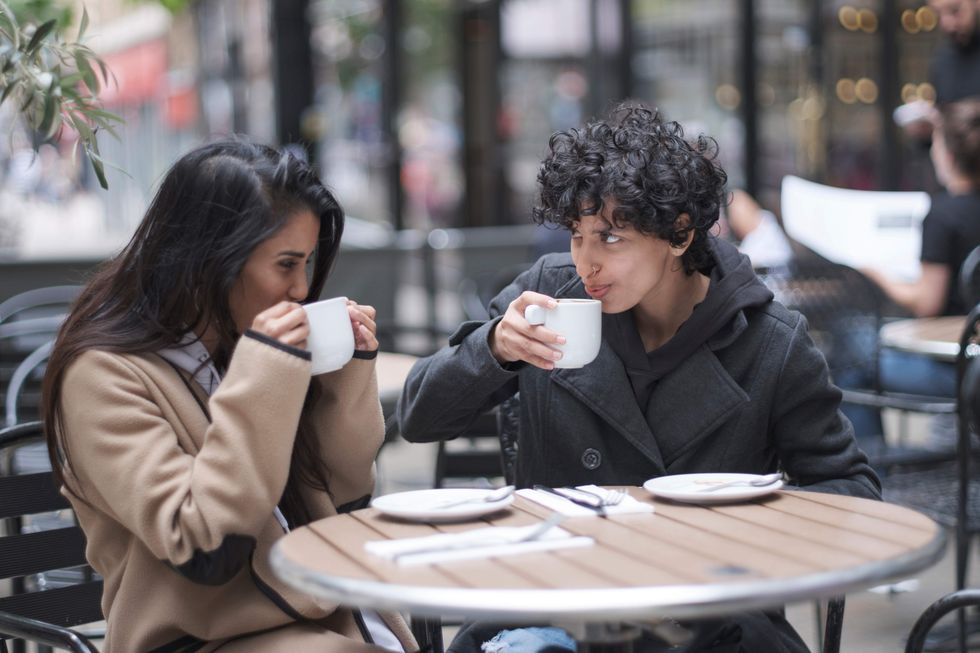
The whole point of “wildflowering” is to “have a fun but yet relaxed approach” to dating, “where you focus on getting to know many people and let the feelings grow over time as you learn about yourself and try new things,” Roos tells PRIDE.
Gaining popularity on TikTok, the Gen Z dating trend is called “wildflowering” because wildflowers grow, well, wildly. Wildflowers aren’t carefully curated by a botanist or painstakingly selected by a florist to make a perfect bouquet. They don’t grow according to a preset plan, and instead, they flourish because they are allowed to grow freely.
“Wildflowering emphasizes the individual's need to prioritize their personal growth and happiness outside of a relationship,” Reyes says. “Just as wildflowers survive without validation, this trend holds the opinion that individuals can equally thrive independently and find true happiness, even without being romantically involved with anyone.”
Are LGBTQ+ people more likely to engage in or experience ‘wildflowering’?
While it’s hard to know how many LGBTQ+ people are experimenting with wildflowering versus their straight counterparts, Roos says that this style of dating likely resonates with queer people more because we are already “living outside the hetero norm” which means that LGBTQ+ daters are ”already following and creating their own rules and terms when it comes to love, dating, relationships and self-exploring.”
Reyes agrees that the queer community is more likely to try wildflowering and says that some of that stems from the “unique challenges” LGBTQ+ daters face and a desire to learn more about themselves. “Many individuals in the LGBTQ+ community have been on the long road to self discovery, which in addition to the realities of the unique challenges they face in their personal and social lives, has increased their resilience and boosted their self-sustaining capacity for independence,” Reyes explains.
Why could this dating style be beneficial?

PeopleImages/Shutterstock
Since the whole point of wildflowering is to date around, embrace spontaneity, and take things slowly, you end up discovering new things about yourself and getting a better handle on what you want out of a relationship. “It also many times leads to you dating yourself in the process as well,” Roos says, “thanks to you getting to know so much about who you are when meeting so many new people, listening to your needs and putting yourself in new situations, which’s a big plus!”
Wildflowering puts the emphasis on dating multiple people, which just increases your chances of finding someone who is the right fit for you, and allows you to explore that new connection without so much pressure to commit right away, because just like flowers need time to bloom, so too does a new relationship.
Roos adds, “It also encourages you to set boundaries when needed, and to get to know all kinds of people, which also gives better chances of finding the right person!
But beyond giving you a better shot at finding true love, wildflowering helps you find happiness outside of a committed relationship. “As a dating style, wildflowering could be beneficial because it reduces the pressure of needing to always be in a relationship and encourages individuals to take their happiness into their own hands,” Reyes explains.
Are there any drawbacks to it?
There a couple main drawback to wildflowering: dating selfishly and jumping ship from one relationship to the next too quickly to discover if the person might actually be right for you. “The big risk is that wildflowering turns into a phase where you only date for the thrill of it and for the experiences, where it might feel difficult to stay with someone for longer and really get to know them before jumping on to the next one,” Roos says.
She also warns that you might turn into a selfish dater if you focus too much on you’re own experience and forget about how the other person is feeling. “It also comes with a risk of using the other person for your own sake where you feel that the experience is what you’re after, not to actually give these people a proper chance,” she explains.
Reyes, on the other hand, says that wildflowering is almost always a positive experience for everyone involved. “Seeing as wildflowering advocates personal growth and self care, I can hardly see any drawbacks to it,” she says, “because the habits and mentality the individual forms by this practice, not only makes them a well rounded individual, but also prepares them to be better partners when they finally enter into a relationship, making it easier for them to clearly define what they are looking for in a relationship, and be able to identify when they have found it.”
How do you 'wildflower' ethically?
Dating ethically should be important no matter what dating trend you’re following, but if you’re trying out wildflowering, you want to be diligent about it since it can be such a positive experience if done correctly.
“Wildflowering ethically means embracing your vulnerability, being empathetic, respecting other people's boundaries, and clearly communicating your intentions to those around you, especially as you grow increasingly aware of your needs, emotions, and desires,” Reyes recommends.
Roos agrees, noting that the most important aspect of dating like this is being honest about it and letting the other person know that you're focusing on exploring new connections and self-discovery rather than settling down. “The most important is that you’re straight up with your intentions and let your partner know what approach you’re having to you two seeing each other, no matter if it’s just a flirt, friendship, a relationship, or just date without pressure and see what happens,” she explains.
What are the warning signs that someone you’re dating is ‘wildflowering’ — and if so, what should you do?
If you’re looking to date with the goal of marriage or at least a committed relationship, and you’re worried the person you’re seeing may be wildflowering, you should pay attention to whether the person “seems interested and passionate, but avoids talking about the future” or if it seems like they are looking for something fun and “not so serious,” Roos says.
“So if you suspect that they’re wildflowering, then open up with your intentions, as well as ask them about theirs, and you’ll have a good chance of understanding what you want, and if you can match in that,” she advises.
Reyes says you should also be on the lookout for someone who doesn’t want to label your relationship and people who prioritize “their freedom and space, over spending time with you together as a couple.”
Dating someone who is into wildlfowering when you are looking for commitment can be both disappointing and exhausting, which is why Reyes says that if you think this is happening to you, it’s best to protect your heart and “move on.”
“Being in a relationship with someone who isn't all in, can be exhausting, both emotionally and physically,” Reyes says, “it can also be frustrating and draining because the truth is that all your investments of time and love, may not only not be reciprocated, but would also likely never yield returns in terms of facilitating a deeper connection between you and your partner.”
Sources cited:
Sofie Roos, a bisexual licensed sexologist, relationship therapist, and author at relationship magazine Passionerad.
Angie Reyes, a relationship expert and general manager at Wiselaw.








 KOTOIMAGES/Shutterstock

 New Africa/Shutterstock
  Devor Geber/Shutterstock
 What is 'benching'? Tetxu/Shutterstock


