





































We’ve all heard of or experienced the frustration of a situationship — which is where you do couple-like things and have sex while avoiding talking about exclusivity or commitment — but what is an "explorationship" and why are Gen Z daters into them?
Unlike the dreaded situationship, “explorationships” aren’t about keeping the person you’re dating at arm's length, but instead using a relationship as a way to explore a connection with another person without the pressure to commit. It takes away some of the messiness of a situationship because there is no forced casualness, but there is also no pressure to label things right away.
There are so many new dating terms these days, from monkey-barring to pebbling to banksying to “date them ’til you hate them,” it’s hard to keep track of what they all mean. But dating experts Kai Korpak, a sex therapist and the assistant director at Best Therapies, and Angie Reyes, a relationship expert and general manager at Wiselaw, are here to break down what an “explorationship” is, what the benefits and drawbacks are for this style of dating, and whether LGBTQ+ people are likely to give it a try.
What is an 'explorationship,' and where did the term originate?
Times have changed, and so has the dating landscape. Gone are the days of meeting in bars or at clubs or in cafes; now most people, especially Gen Z daters, are connecting on social media and dating apps.
But what if you’re not ready to state your dating intention up front because you’d rather explore a connection first? That’s where “explorationships” come in. It’s a new dating model that allows people to explore their feelings for the other person without the pressure to rush into dating. “In this relationship situation, the goal is to savor the process of discovery, both of themselves as individuals and their partner,” Reyes tells PRIDE. “So, it's a journey of growing and learning together to foster a more authentic and meaningful labelless relationship.”
The term has become popular on TikTok but has also been used by the Flure app, which is a dating app that allows users to meet and see where things go without having to label the experience.
According to Flure, 51% of Gen Z admitted that traditional dating is an outdated concept, and 42% claimed that they prefer connections with no labels, which is what the concept of an explorationship is tapping into.
According to Korpak, an “explorationship” allows you to form a romantic or sexual connection to someone where you both agree that the “goal is exploration rather than riding what we call the relationship escalator toward commitment” and explained that it’s more about “learning your own desires while focusing more on the vibe and connection,” and less on a predetermined timetable for when you should start officially dating, become exclusive, or move into together.
Are LGBTQ+ people more likely to engage in or experience explorationships?
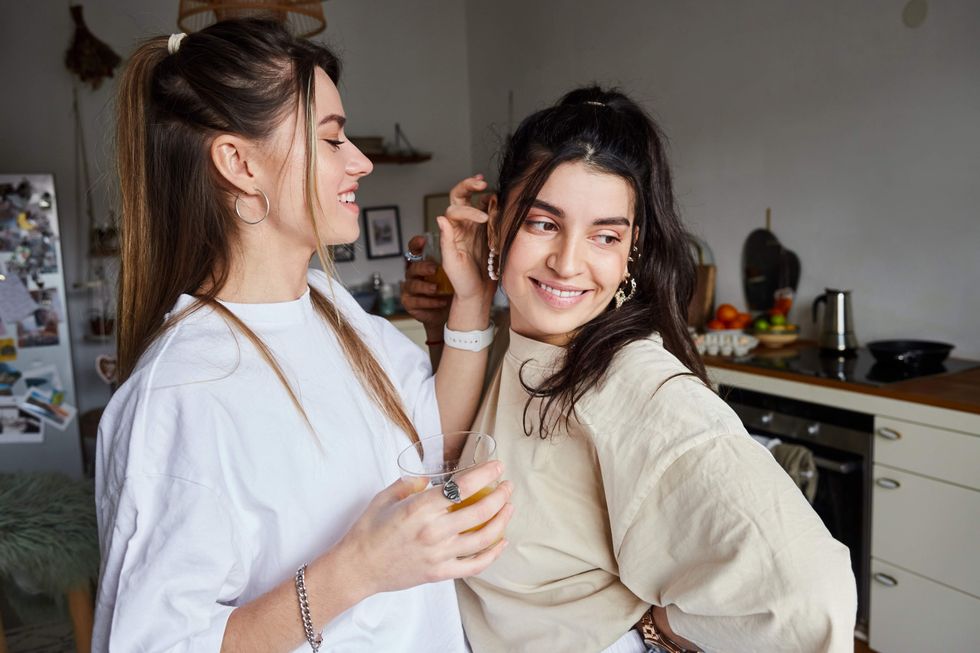
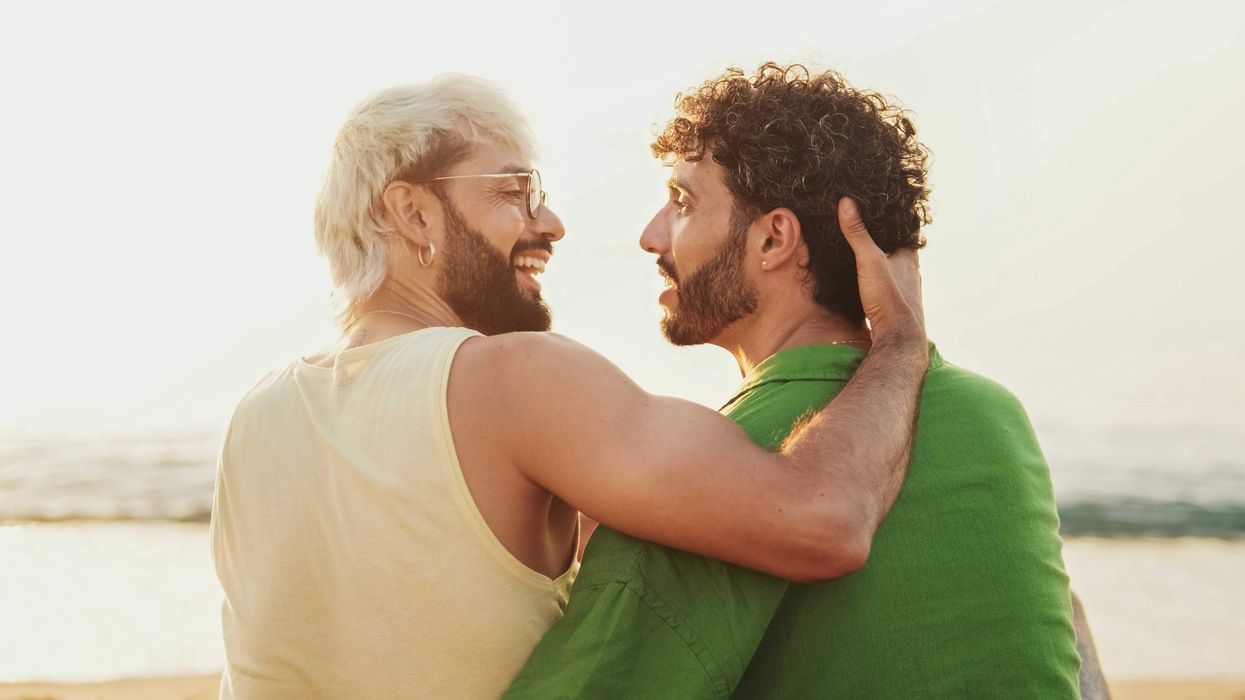
LightField Studios/shutterstock
We are surrounded by heteronormativity all the time, but the LGBTQ+ community has always defined dating and relationships in different terms, which is why explorationships are probably both more common and not as big a leap as they might be for a straight person who has been conditioned to view dating as a ladder toward marriage.
“The truth is that individuals in the LGBTQ+ community, more than others, often feel less pressured by society to conform to its traditional relationship expectations, hence why they are more willing to explore diverse relationship models,” Reyes says. “Then, there is also the fact that the LGBTQ+ community is more inclined to openness and acceptance, and this creates the perfect environment for explorationships to thrive.”
Korpak agrees and says that not following the dating script set up by straight people can open up a whole new world. “Whereas before we needed a much more structured courting, explorationships for LGBTQ+ people can be a way to connect without following any one specific heteronormative script and focus on exploring your own desires first and foremost,” he says.
Why could this dating style be beneficial?
People who rush into relationships and try to define and label them before learning enough about whether their values and goals are the same will have a hard time staying together long term. Plus, once you pick a label — “dating,” “monogamous,” “exclusive,” etc. — there are expectations that go along with them that might be tricky to meet.
Reyes says that those expectations can “quickly become overwhelming, leading to frustrations, disappointment, and eventually causing the untimely death of the relationship, which is why this dating style can be beneficial, the fact that it is more organic and allows a relationship to develop more naturally, without the influence of societal pressure.”
Explorationships can also be beneficial because you are focusing on boundaries and honesty, “as well as pleasure and growth,” as you explore dating together.
“It can be helpful to have individuals clarify what their intentions and wants are when looking for a future relationship,” Korpak says. “For LGBTQ+ folks, explorationships can be a way to explore one's own self while also exploring connections and relationships without a commitment involved.”
Are there any drawbacks to it?
Having mismatched expectations for what an explorationship looks like can spell disaster. “One person may want to explore the connection while the other is seeking a commitment,” Korpak explains. “This mismatch in desire can lead to disappointment and hurt. Explorationships require strong communication as well as an awareness of one's own emotional state and feelings. This is important to prevent an explorationship from becoming an excuse for avoidance in a relationship.”
Intentionally choosing a relationship model without labels may work for people who want to explore before deciding if they want more, but it can be "devastatingly frustrating” if there is “vague communication” or “mixed signals” among partners, Reyes says.
How do you date this way ethically?

Inside Creative House/Shutterstock
The best way to engage in an explorationship ethically is to be honest and upfront about what you want and to keep the lines of communication open.
“Share what you know you want and share what you know you aren't sure about yet,” Korpak says. “Using phrases like ‘I'm in an exploratory phase at this moment’ or ‘I want to feel out the vibe before we move to a label.’ Ethical explorationships require all consenting adults to be in agreement that this is the desired goal. This requires clear communication surrounding desires.”
And don’t be afraid to talk about this frequently as you are exploring things with another person. “The only way dating this way ethically can be possible is to constantly revisit conversations, because the truth is, the more time you spend with someone, the more likely emotions and expectations can develop, so it's only natural that their expectation grows,” Reyes says.
What are the warning signs that someone you’re dating is looking for an explorationship?
According to Korpak, someone who has a “desire to not move up the relationship escalator” is likely looking for a explorationship. “The individal may not offer clarity when asked follow up questions choosing to focus on the ‘vibe’ and ‘feel’ of the connection rather than a commitment,” he says. “If you notice this pattern you can be direct and ask 'are you wanting to explore where things go or are you looking to build something more official?’ Depending on what the answer is you can then proceed with what falls within your values.”
Reyes says you can also spot someone interested in an explorationship and not a relationship if they send out “mixed signals” or are guilty of “physical intimacy and emotional unavailability.”
Sources cited:
Kai Korpak, a sex therapist and the assistant director at Best Therapies.
Angie Reyes, a relationship expert and general manager at Wiselaw.