





































There’s something tremendous about witnessing a cast of truly gifted actors locked in, torn open, and leaving it all on the screen. In Hal & Harper, Lili Reinhart does just that.
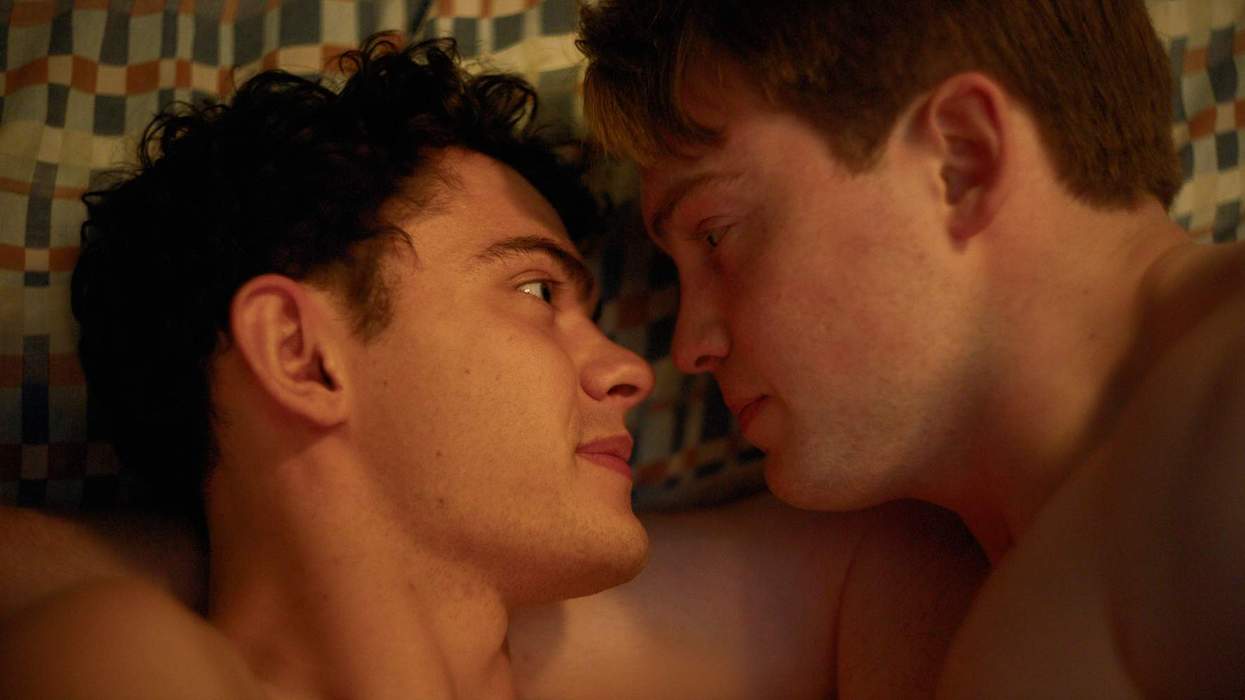
The series, which marks a major departure from her role as Betty Cooper on the hit, soapy series Riverdale, sees the actress playing Harper, a young gay woman who’s nearly buckling under the pressure and emotional labor of holding the men in her family together: her brother Hal, played by series creator and director Cooper Raiff (Cha Cha Real Smooth), and her father, played by Mark Ruffalo. She’s also at a turning point in her life, career, and long-term relationship with Jesse (Alyah Chanelle Scott). The show also stars Betty Gilpin as the siblings’ stepmother, Kate.

Lili Reinhart, Mark Ruffalo, Betty Gilpin, and Cooper Raiff in 'Hal and Harper'
MUBI
While there’s no shortage of emotional labor required, there’s also an enormous amount of love between the family members, and the tension between those two elements grounds the series in a realism that’s both aching and, for many, all too familiar.
The series uses a particularly fascinating approach to tell a story rooted both in the present and past, with all three of its leads playing their roles at various ages, from childhood to adulthood. Not only does this powerfully drive home the themes of alienation and parentification, but it also offers an opportunity for a wide-ranging and varied performance — one in which Reinhart shines.
PRIDE sat down with the out actress to talk about this unique storytelling device, the show’s approach to queer representation, and why this series — such a departure from her previous role — is emblematic of the surprising career path she is looking to forge.
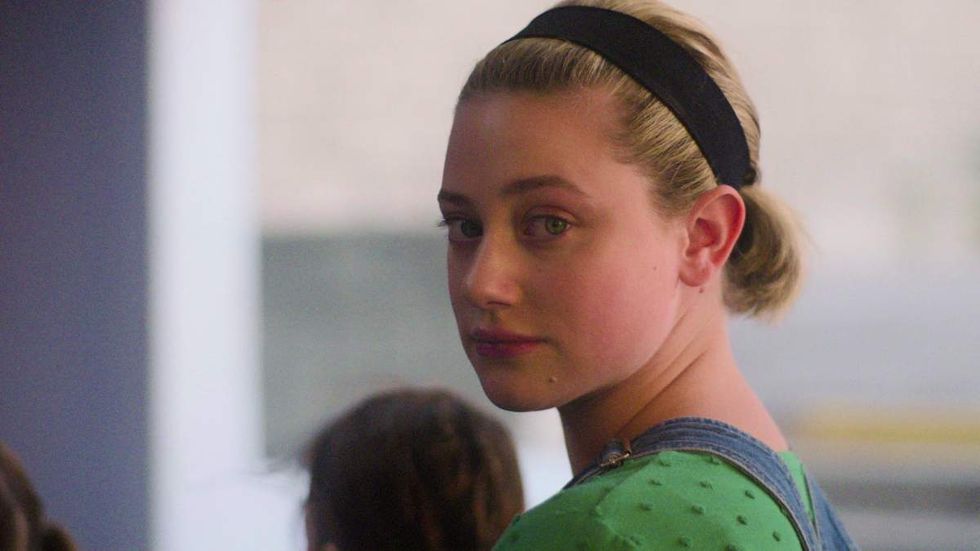
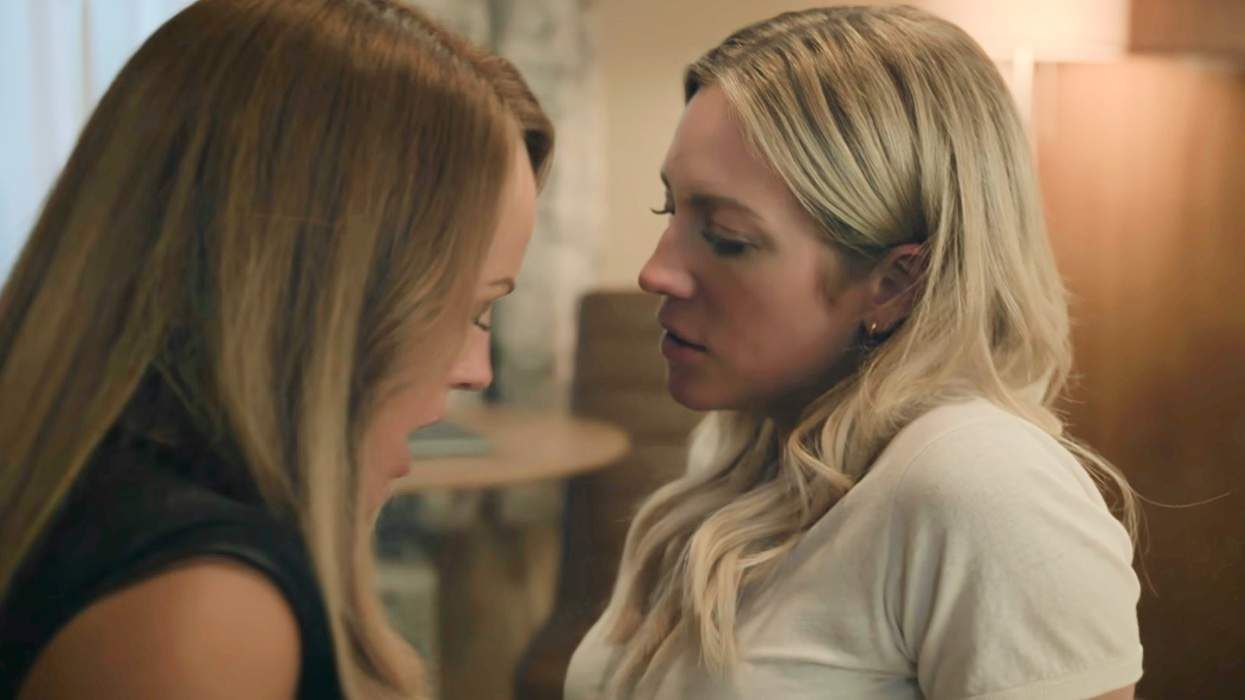
Lili Reinhart in 'Hal and Harper'
MUBI
PRIDE: This family is very trauma-bonded, and there’s this knee-jerk reaction that when you explore those ideas, it’s automatically toxic. What this series does so well is take a kinder, more balanced approach to show that it's much more nuanced than that. How do you feel about that approach?
LILI REINHART: That's my favorite type of film and television show — something, or just a medium, that feels so human and real. I like watching characters that I feel I could know in real life. I loved Cooper's movies and his work prior to signing on to Hal & Harper. I was so thrilled and stoked that I was able to do a project that was exactly the tone of something that I had been dying to do, truly. I couldn't have crafted something better for myself that I wanted to do after wrapping seven seasons of Riverdale.
It's just how life actually is, and it's not super commercial or flashy or glossy. I love being a part of films where I kind of don't have to really worry about what I look like. I’m in an industry where, especially on Riverdale or more commercial movies, you have to look very perfect — or perfect to a degree. Even if you're not playing someone perfect, your clothes and your hair and your makeup all have to really sit very, very perfectly. So it's a relief to do something where your hair can move and be out of place, and your nose can be shiny, and you don't have this pressure. You can just look like a person.
Harper is queer, but I love that it’s not a coming-out story, as it gives you all this room to tell a much more nuanced and deeper story about her identity, how queerness plays into that. I'm curious, for you as a queer person, how do you feel about the representation in this?
I also love that it wasn't like Harper's discovering that she's gay. It's like, just let her be gay. She already is gay, so letting her exist in that space as a 24-year-old woman in this show — Harper could have been straight. I don't think the relationship dynamic would have changed if Jesse were a man or a woman. It just became about when you're in a six-year relationship and you're the caretaker of your partner, and that can sort of take a toll on you after six years.
You would like to have a life partner who you can grow with in every stage of your life, but sometimes you're only meant to be with someone through a certain phase or for a certain amount of time. And I think Harper and Jesse are realizing the very scary fact that they're not supposed to be with each other forever, and that's such a horrifying, daunting realization, and they're both fighting that conclusion.

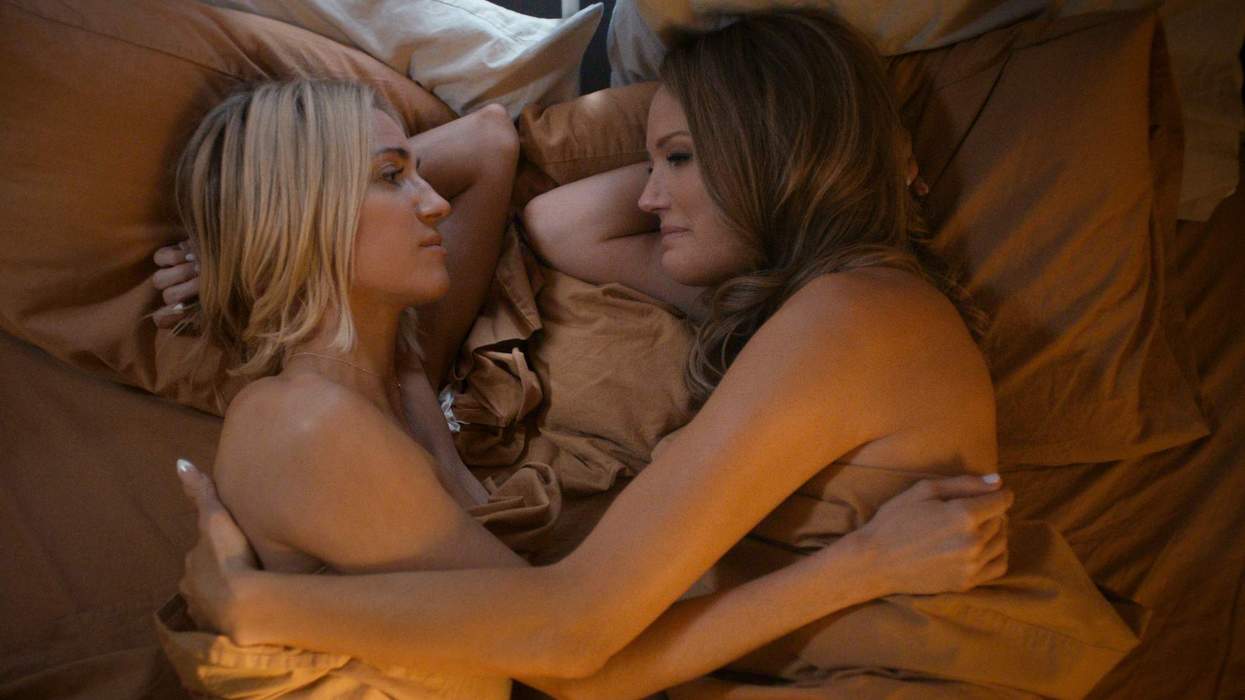
Lili Reinhart and Addison Timlin in 'Hal and Harper'
MUBI
Hal & Harper is really grounded. There's this realism to the stakes, and the sources of drama are all very relatable. When you say you went from your previous show to this, was there something you wanted to process through or learn from playing Harper in this role?
I think it felt cathartic in the sense that it was like I'm starting a new chapter of my career, and this is exactly the right foot. I want to step into that new phase of my life with it — it really was the tone and the subject matter and the character that I wanted to play, and that I wanted to show people that I could do and that I want to do.
I like a lot of variety, and I don't want to go from one project to the next doing the same thing. I want to do 180s all the time, and no one can really expect what I'll do next. I think that's fun. I don't like when people have expectations of me. So I think just, you know, people don't necessarily expect me to do a show like this post-Riverdale, but I'm so thankful and glad that I did, because this is sort of where my heart really lies.
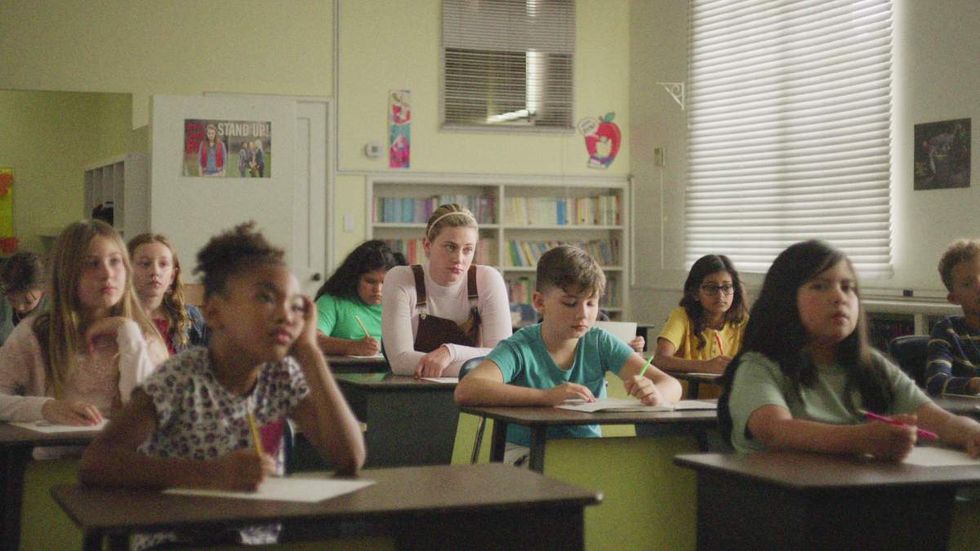
Lili Reinhart in 'Hal and Harper'
MUBI
It was a truly creative choice to have you and Cooper portray their characters throughout their various ages. There’s some textual explanation for why that is, but I also thought about how trauma affects the way you remember time, where you can't really differentiate present from past. Did that occur to you?
It’s a visual representation that adult Hal and Harper can't leave their past. Like, you see them as child versions of themselves — it's because they can't let go of it. They also grew up too fast. So you see them in their adult bodies, stuck in this world, and they obviously look very out of place.
The script in the show was gorgeous to begin with, but in reading the whole show, it said in all caps, "The actors playing Hal and Harper will be playing the younger versions of themselves." That was ultimately just this moment of, “Wow, this show is going to be really special.” Because it's not really being done as a comedic device, but more of a thematic device. It felt like there's a heaviness to it that I think you feel as an audience member watching it — but definitely, playing it like a child felt a lot heavier to play than the adult version.
Hal & Harper is streaming now on MUBI. Watch the trailer below.
This interview was lightly edited for clarity and length.