










































Like ghosting and lovebombing, catfishing has become so ubiquitous that pretty much everyone knows what it means. But since catfishing was coined in a 2010 documentary, new toxic dating terms have been cropping up all the time.
Not only did the movie give language to a manipulative dating tactic wherein someone pretends to be a different person — complete with fake photos and bio — to lure in a potential date, but a decade and a half later, we have a new offshoot term to be worried about.
“Kittenfishing” is like catfishing’s slightly less damaging younger sister. Instead of pretending to be another person, you’re just fudging the details enough to make yourself look like a better candidate to other people on dating apps.
It can be as simple as wearing a hat in photos to cover a bald spot or lying about your age or height. But to find out more about “kittenfishing” and how it impacts LGBTQ+ daters, we talked to dating experts Sofie Roos, a bisexual licensed sexologist, relationship therapist and author at relationship magazine Passionerad, and Dylan Thomas Cotter, an author, trans activist, former adult entertainer, Scruff dating app ambassador, and author of Transgender & Triggering The Life of Dylan Thomas Cotter.
So what do you need to know about "kittenfishing?"
What is ‘kittenfishing’ and where did the term originate?

Vladimka production/Shutterstock
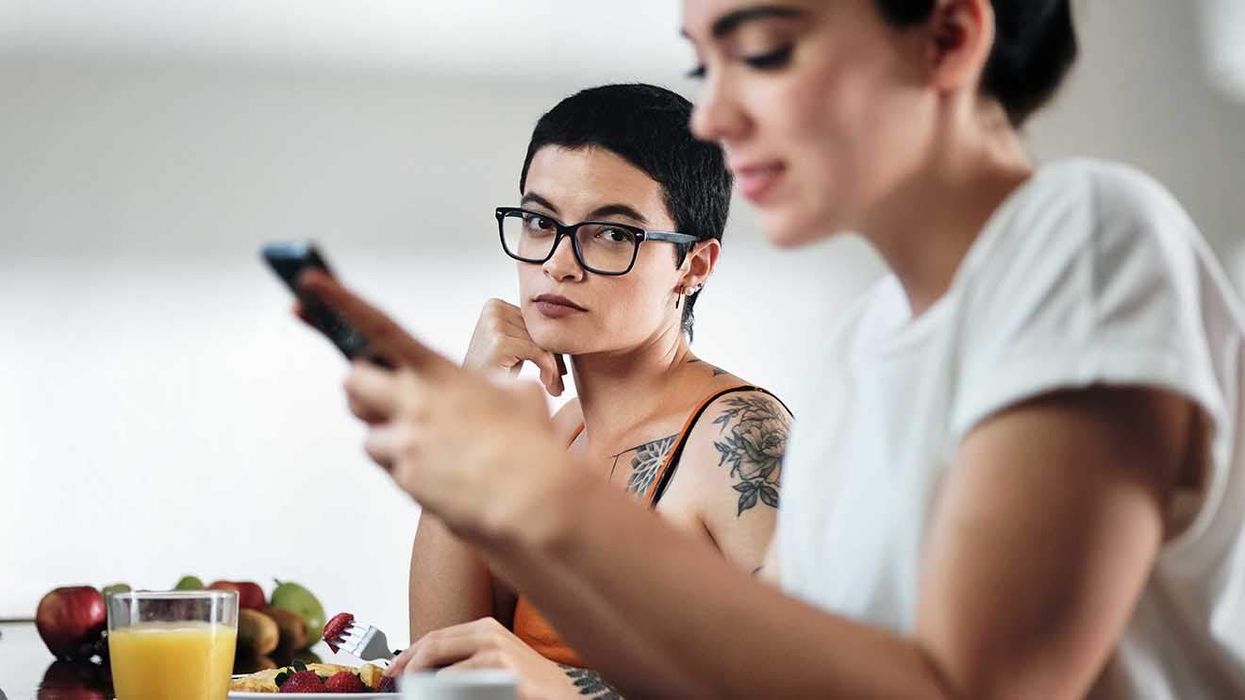
When someone catfishes a potential date, they usually use photos of another person and invent an entire backstory and personality to go with, but “kittenfishing” is more subtle.
Someone “kittenfishing” other daters, will craft a dating profile that paints them in the best light, and changes details here and there to make them look better. This might include exaggerating how tall you are, taking photos from deceptive angles or using filters to make yourself look better, or lying about your hobbies, your job, or exotic vacations you’ve taken.
"It’s when someone takes liberties that some may consider smaller ‘white lies’ to slightly make themselves appear online as more interesting, attractive, and/or appealing than they truly are; it can also be alluded to as ‘soft catfishing,’” Cotter tells PRIDE. "It’s essentially lying on a smaller scale.”
While “kittenfishing” is often about manipulating the person you’re hoping to date by making small changes, it can also include lying on a larger scale. “Sometimes kittenfishing can also be straight up lies and not just tweaks,” Roos says. “You might, for example, include that you play tennis, even though it was ten years ago you last held a racket, or that you’ve worked at Apple, even though you only had your practice there for two weeks."
Are LGBTQ+ people more likely to engage in or experience ‘kittenfishing’?
The queer dating scene is limited, and when you’re fishing in a smaller pond, you might feel it necessary to do whatever it takes to build yourself up, but some LGBTQ+ people may be doing it out of insecurity, too. Modern online dating is a perfect storm that makes it impossible not to compare yourself to other people and feel like you’re not measuring up.
“The fact that many LGBTQ+ people, due to norms, feel that they never have belonged or been accepted is another aspect that make queer folks more able to experience kittenfishing or engage in it themselves, as it stems out of their insecurity and bad self-esteem, which makes you think you need to kittenfish to have a chance of meeting someone.”
According to Roos, some queer people may also accidentally engage in kittenfishing by virtue of changing their hair color or style frequently, or adding piercings, tattoos, or adopting a new fashion style. “Many queer people like to experiment with their appearance and are likely to change looks more often compared to straights,” she explains. "LGBTQ+ people can kittenfish without doing it intentionally, just because the information or photos they’re using isn’t up to date with their current style.”
What is the psychology behind why someone would do this to a person they’ve been dating?
Like many of these toxic dating trends, people tend to use these manipulative techniques because they are struggling with insecurities or a fear of being rejected.
"An inferiority complex could come into play for those who may feel like they have not yet arrived at where they feel confident in life with social status, profession, appearance, and/or financial status,” Cotter says. “People may feel like when they're getting to know a prospective romantic partner, that they have to compete and position themselves as the best candidate in order to retain their desired prospective partner’s attention.”
What are the warning signs that you're being ‘kittenfished’?

Ground Picture/Shutterstock
Figuring out that you are being kittenfished can be tricky, but there are red flags you should be on the lookout for. If you notice that the person doesn’t look the same from one photo to the next, if they avoid video calls or meeting up in real life, or if their job and hobbies sound too good to be true, then you are probably the victim of kittenfishing. Roos also said you may be able to catch some in a lie because “it’s hard to remember all the white lies, and if they’re changing details in their story, then there’s a high possibility that they aren’t being completely honest.”
Cotter warns that someone’s appearance being different in person than on their dating app is a canary in the coal mine and might point to other things they’ve been lying about. “Let’s say your date shows up and they just look slightly different,” he says. “For example, you’ve been chatting and they’ve sent photos, but when you meet in real life, you instantly clock the fact that the photos they were sharing were from a few years prior, so the same person just does not exactly have the same look. Another image-based warning sign is that they show up, and you can tell their images were airbrushed, and they appear not so visually ‘flawless’ vs their online presence.”
If you realize you are being ‘kittenfished', what should you do?
Since kittenfishing usually stems from insecurity and not malicious intent, Roos recommends trying to meet with them in person so you have a better chance of confirming your suspicions. If it turns out they’ve lied or fudged details or they don’t look at all like what you expect, try confronting them gently, and then walk away.
“If it turns out that the person has kittenfished you, my best advice is to back off and don’t continue seeing them, because you deserve someone that’s being honest, and building a relationship that started on lies, even though they’re ‘just’ white, isn’t a good start at all,” she warns.
If you catch someone you are interested in kittenfishing you, Cotter says you have to do some introspection and decide whether or not you can tolerate someone who lies. “It’s lying, even if it’s a small lie, it’s a lie,” he says. “Decide if that’s really what you are or are not comfortable starting a potential relationship dynamic with. If someone will lie about themselves while getting to know you, consider what else they could lie about with you in the future. For those who view kittenfishing as less harmful, gauge if who you’re now getting to really know is a good match emotionally, ethically, physically, etc. Follow your intuition."
But what if you're the perpetrator?
If the call is coming from inside the house, and you are the one manipulating potential dates by lying about yourself, then it’s time to take a step back from the apps and think about getting help to build up your self esteem. "Work on your confidence, as there are so many people looking for and deserving of love just as they are,” Cotter says. “If you find yourself feeling less confident in dating, seek therapy to build that muscle before entering a world you may not be ready to authentically represent yourself in.”
And according to Roos, dating will get so much better once you are being honest about who you are because, let’s be honest, lying is “very unsexy.”
“Addressing your kittenfishing will lead to greater chances of actually finding someone that’s into you for who you are, which also will give you more genuine and honest relationships,” she says.
Sources cited:
Sofie Roos, a bisexual licensed sexologist, relationship therapist and author at relationship magazine Passionerad.
Dylan Thomas Cotter, an author, trans activist, former adult entertainer, Scruff dating app ambassador, and author of Transgender & Triggering The Life of Dylan Thomas Cotter.















 KOTOIMAGES/Shutterstock

 New Africa/Shutterstock
  Devor Geber/Shutterstock